Renato Donati e la conquista del Tetto del Mondo

23 marzo 2026

(testo a cura di Renato Alberio, foto d’epoca dal Web e Istituto Luce)

L’impresa di Renato Donati dell’11 aprile 1934 ci racconta una sfida epica dell’uomo: la lotta contro il gelo, la rarefazione dell’aria e la gravità. Quel giorno, un uomo e un biplano scrissero la storia dell’altitudine, portando il tricolore dove l’aria si fa sottile e il cielo diventa blu scuro.
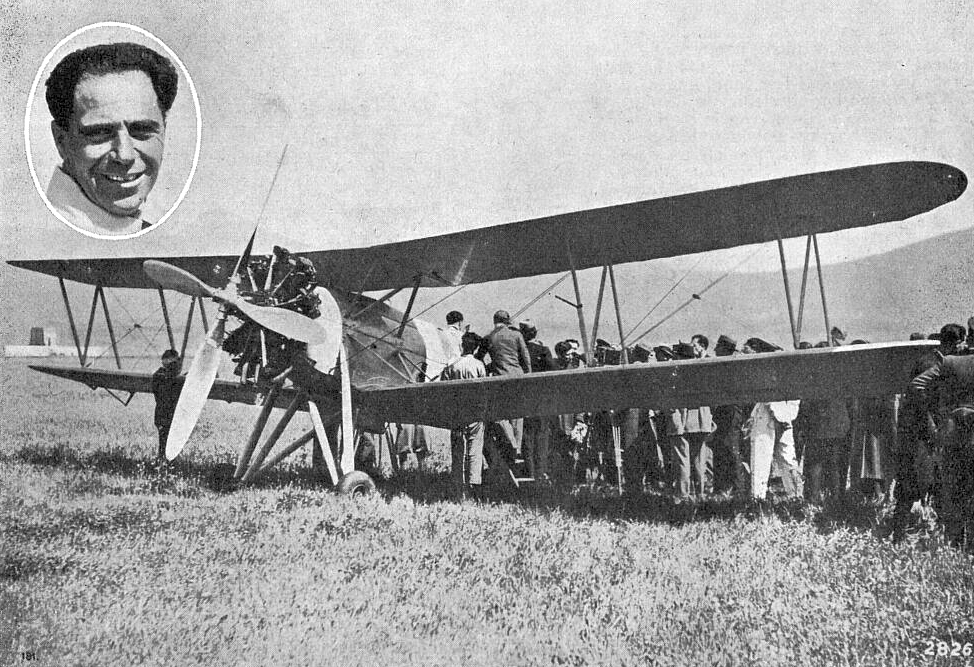
L’Impresa: Il decollo avvenne dall’aeroporto di Montecelio (Roma), il cuore della sperimentazione aeronautica italiana. Renato Donati non cercava il traguardo davanti a sé, ma sopra di sé. Pilotando un Caproni Ca.113, un velivolo acrobatico pesantemente modificato, iniziò una salita estenuante durata ore. A quelle quote, ogni metro guadagnato era una battaglia. La temperatura esterna scese sotto i -50°C, l’ossigeno scarseggiava e il motore faticava a “respirare”. Donati, protetto solo da una tuta riscaldata elettricamente e da una maschera d’ossigeno rudimentale, spinse la sua macchina fino alla quota incredibile di 14.433 metri (47.352 piedi). Fu un record mondiale assoluto che infranse il precedente primato detenuto dagli inglesi, dimostrando che l’ingegneria italiana eccelleva anche nella sfida alle altissime quote.
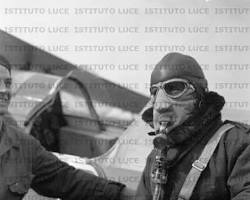
Il Protagonista: Renato Donati, nato a Forlì nel 1894, era un asso dell’aviazione e un collaudatore leggendario. Già pluridecorato nella Grande Guerra, negli anni ’20 e ’30 divenne uno dei massimi esperti di volo acrobatico e di alta quota. Era noto per la sua tempra d’acciaio: durante il record del 1934, dovette sopportare una violenta decompressione e il rischio costante di svenimento. La sua dedizione non era dettata dalla gloria personale, ma dalla volontà di testare i limiti fisiologici e meccanici del volo umano. Nelle immagini dell’epoca, Renato Donati appare quasi come un astronauta ante-litteram. La sua tuta di gomma e la maschera rudimentale erano le uniche difese contro un ambiente ostile che, prima di lui, nessuno aveva mai osato sfidare a tali altitudini con un velivolo a motore a pistoni.
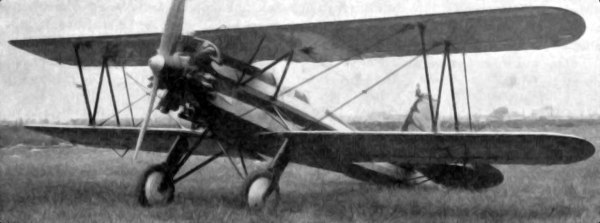
La Macchina: Il velivolo utilizzato era una versione speciale del celebre biplano da addestramento e acrobazia Caproni Ca.113 denominato “Alta Quota”. Fu equipaggiato con un motore Alfa Romeo Lynx, dotato di un compressore volumetrico progettato specificamente per mantenere la potenza nonostante la bassa densità dell’aria. Per alleggerire la struttura e aumentare l’efficienza, le ali furono allungate e furono rimossi tutti i pesi superflui. Il cockpit era aperto: Donati era letteralmente immerso nel gelo della stratosfera. L’impresa servì a testare le prime strumentazioni per il volo cieco e i sistemi di erogazione dell’ossigeno che sarebbero diventati standard negli anni a venire.

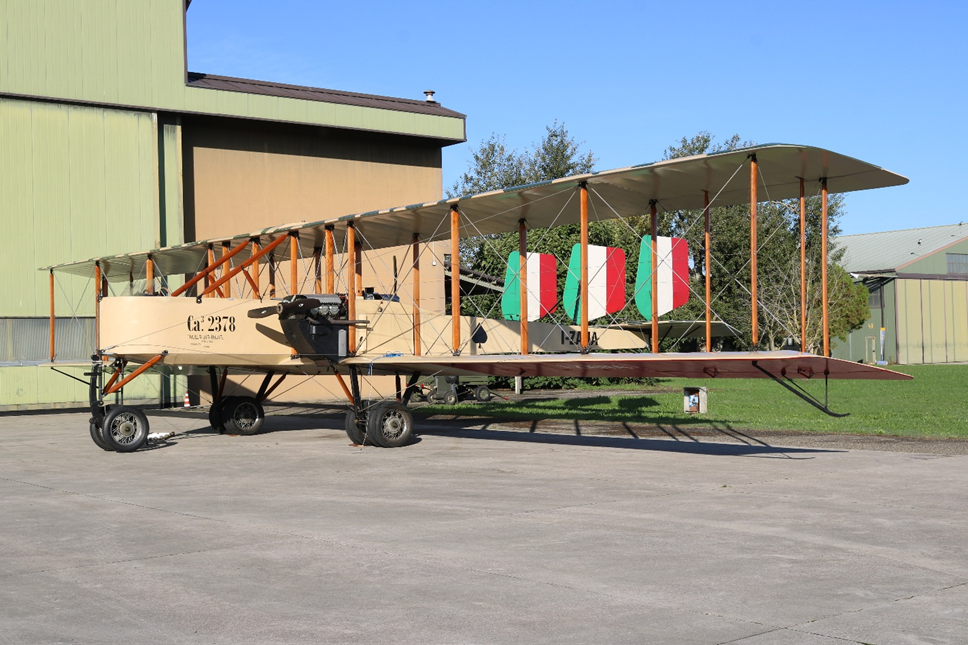
L’Eredità: Celebrare il suo record significa onorare il coraggio di chi ha aperto la strada ai moderni jet, testando sulla propria pelle le reazioni del corpo umano ad altezze che allora sembravano impossibili. Ancora una volta, dobbiamo constatare che, per un pilota italiano, il limite non è mai un punto d’arrivo, ma solo un traguardo da superare. Esiste attualmente un unico esemplare sopravvissuto, il Ca.113 immatricolato I-MARY che Mario de Bernardi usò nel dopoguerra in diverse manifestazioni aeree. La famiglia de Bernardi lo ha donato al Museo Volandia dove è possibile ammirarlo anche se in fase di restauro.

Renato Donati and the conquest of the Roof of the World  Renato Donati wasn’t looking for the finish line ahead, but above him. Piloting a Caproni Ca.113, a heavily modified aerobatic aircraft, he began a grueling climb that lasted hours. At those altitudes, every meter gained was a battle. The outside temperature dropped below -50°C, oxygen was scarce, and the engine struggled to “breathe.” Donati, protected only by an electrically heated suit and a rudimentary oxygen mask, pushed his machine to the incredible altitude of 14,433 meters (47,352 feet). The aircraft used was a special version of the famous Caproni Ca.113 training and aerobatic biplane known as the “Alta Quota.” It was equipped with an Alfa Romeo Lynx engine, equipped with a supercharger specifically designed to maintain power despite the low air density. To lighten the structure and increase efficiency, the wings were lengthened and all unnecessary weight was removed. The cockpit was open: Donati was literally immersed in the freezing cold of the stratosphere. The feat served to test the first blind-flying instruments and oxygen delivery systems that would become standard in the years to come.

Fonti :Ufficio Storico Aeronautica Militare – Museo Caproni Trento – Foto originali Archivio luce: https://patrimonio.archivioluce.com/luce-web/detail/IL0010028797/12/il-pilota-renato-donati-scafandro-e-respiratore-posa-accanto-al-suo-aereo-insieme-ad-tecnico.html Utilizzo delle fonti Fair Use: Diritto di cronaca limitato a fini didattici o scientifici


il Cuore Tecnico dell’Hangar 313° Gr. P.A.N. nell’anno del Centenario Dell’Aeronautica Militare

7 marzo 2026

(foto e testo a cura di Renato Alberio, 22 Agosto 2023)

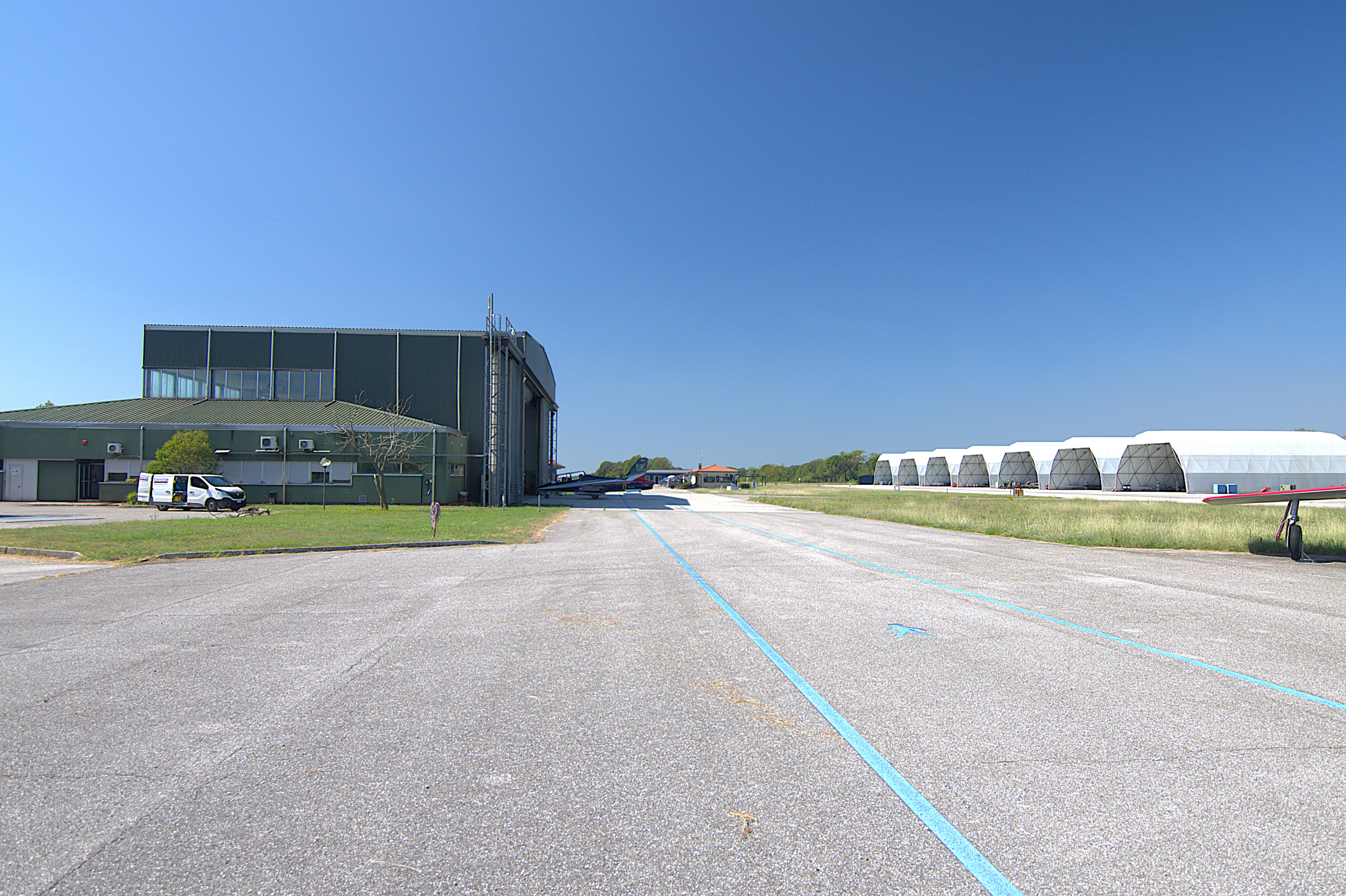
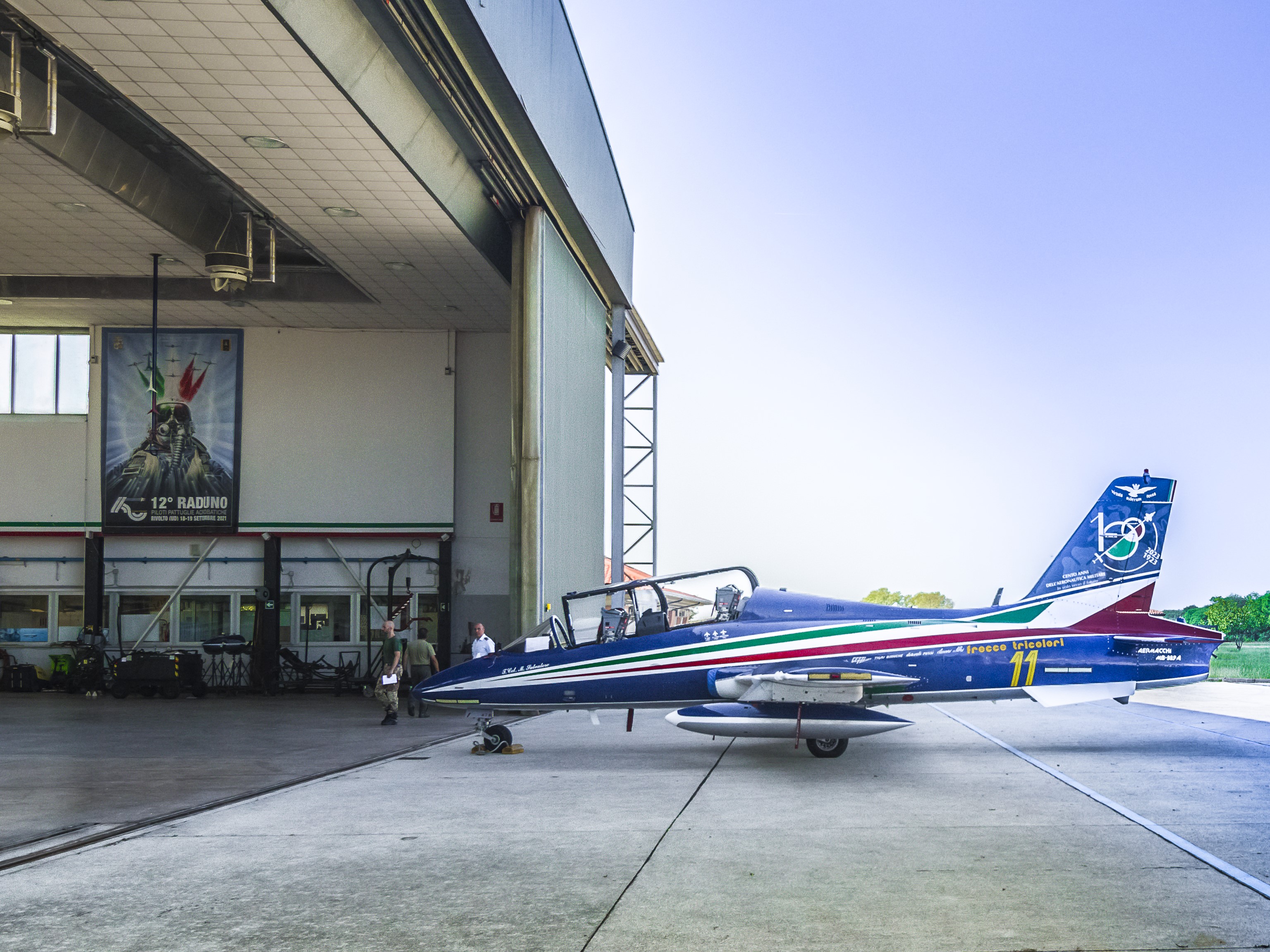
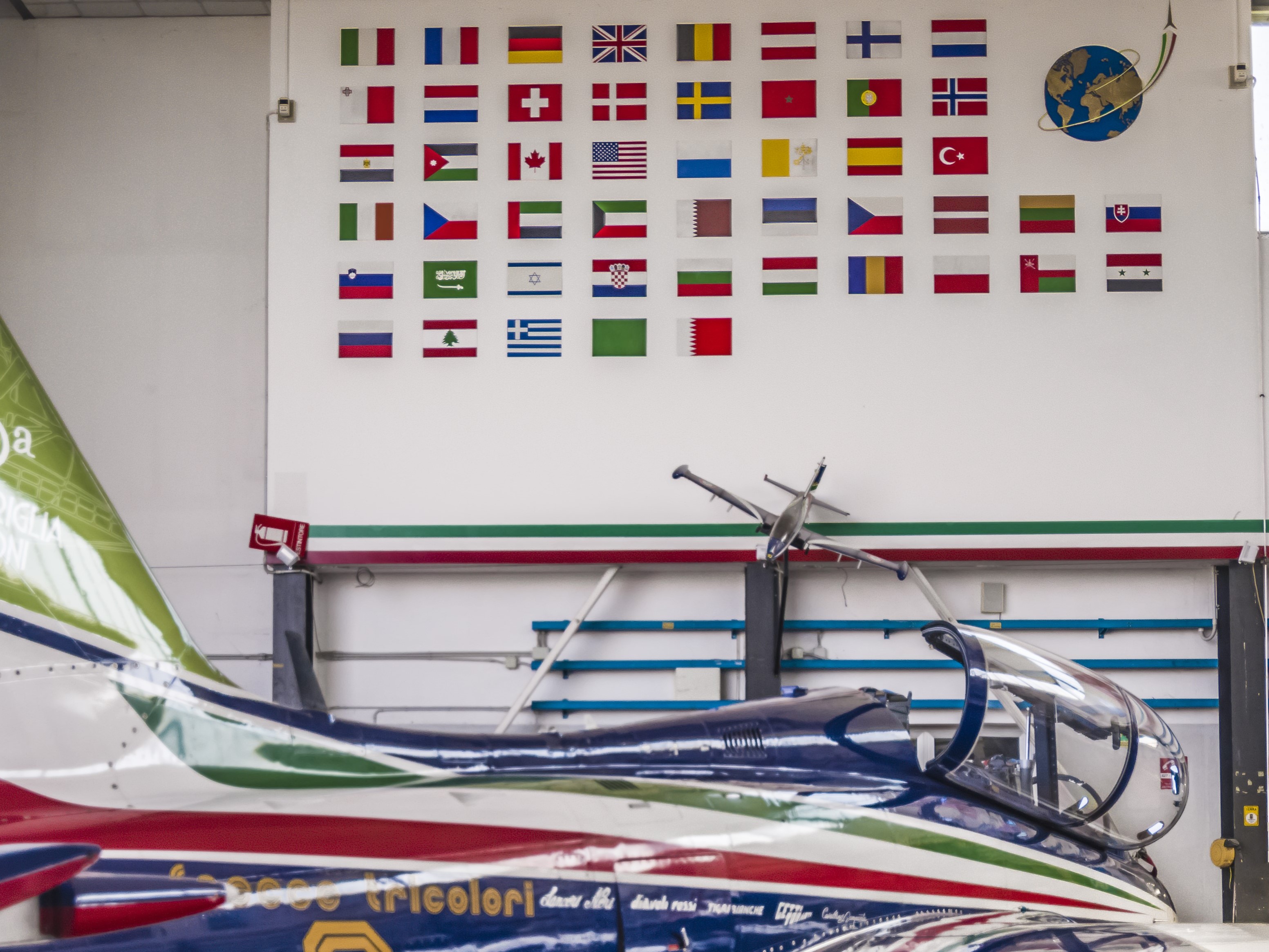
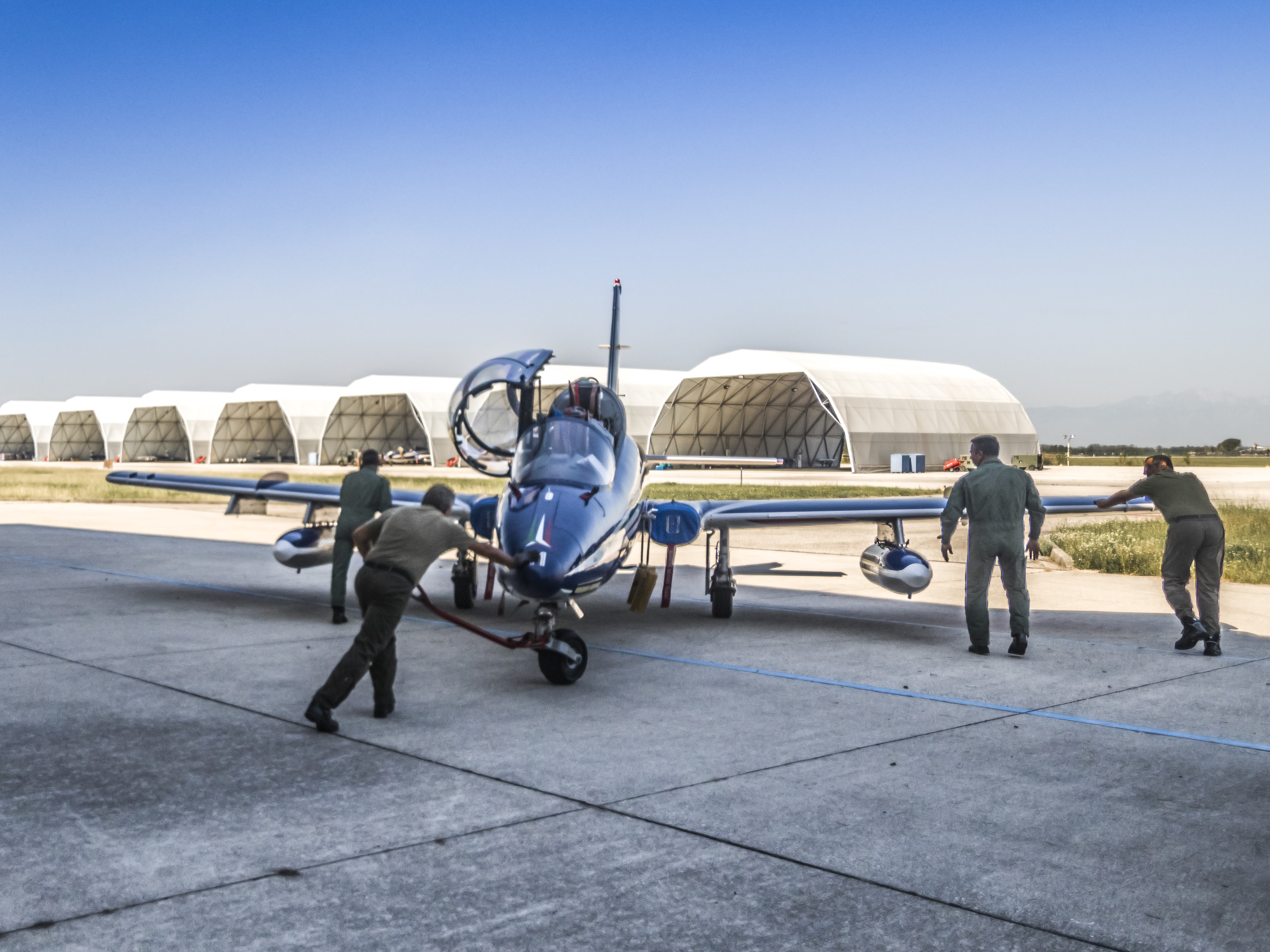
Quando alziamo gli occhi al cielo per seguire l’abbraccio verde, bianco e rosso della Pattuglia Acrobatica Nazionale (PAN), tendiamo a dimenticare che quella perfezione non nasce tra le nuvole, ma sul cemento lucido e tra l’odore di cherosene di un luogo sacro: l’Hangar 313° Gr. P.A.N. della base aerea di Rivolto. 

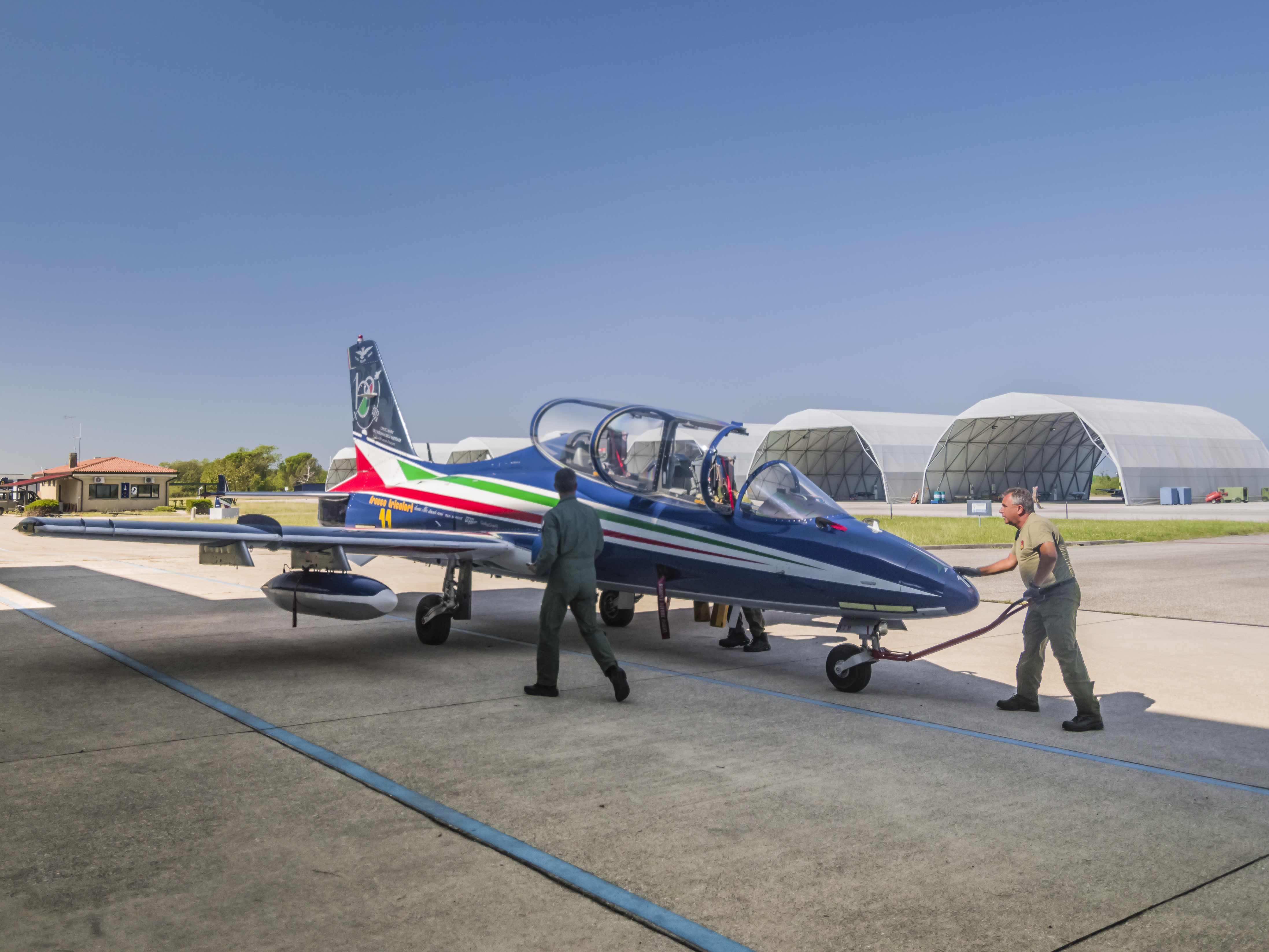
Se i piloti sono l’anima visibile delle Frecce Tricolori, i tecnici e i meccanici del supporto a terra ne sono lo scheletro e il sistema nervoso. Senza il loro lavoro incessante, condotto con una precisione che rasenta l’ossessione, i dieci MB-339PAN rimarrebbero solo splendide macchine d’acciaio. Invece, grazie agli specialisti del Gruppo Efficienza Velivoli, diventano estensioni della volontà del pilota.

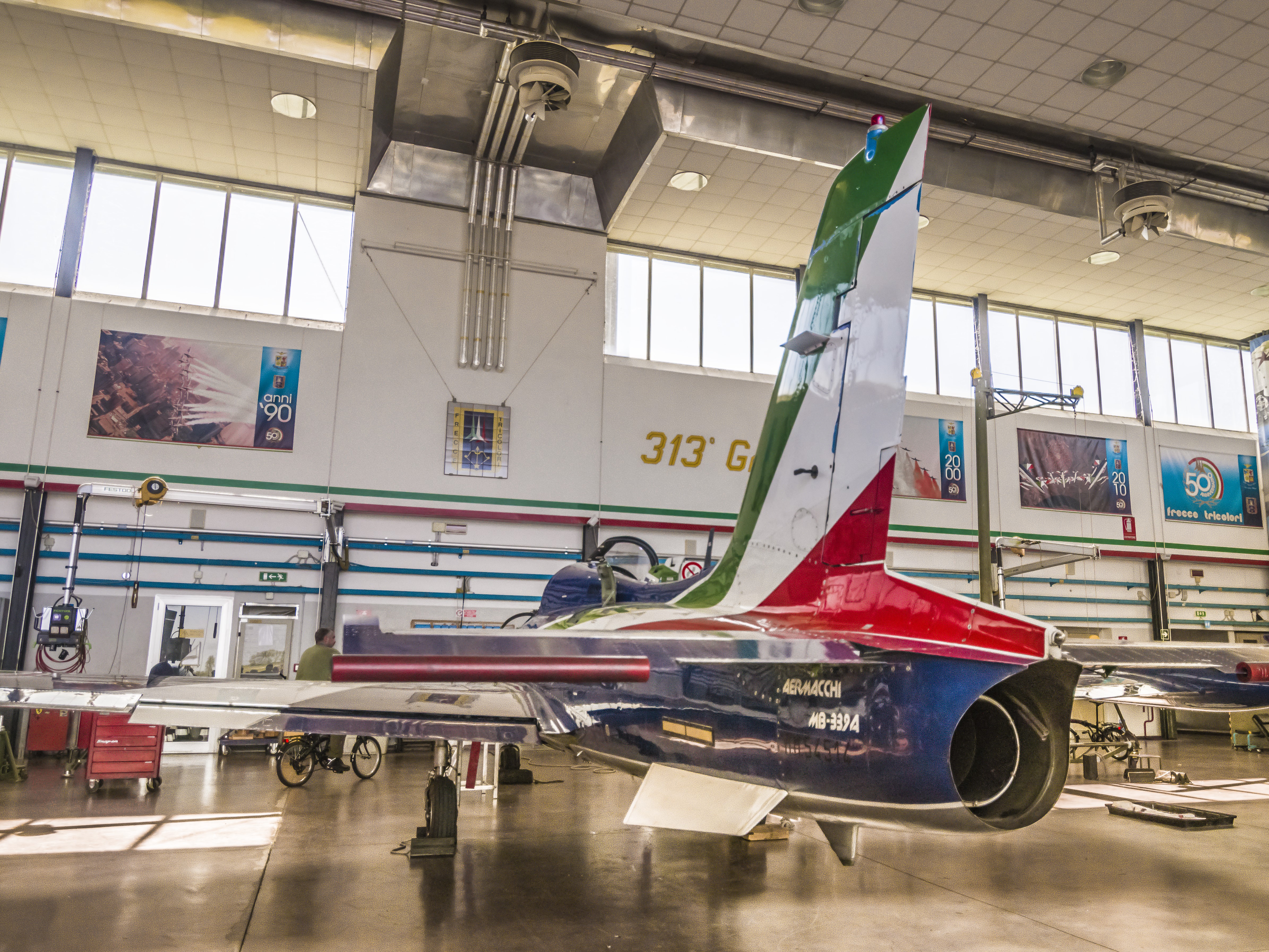
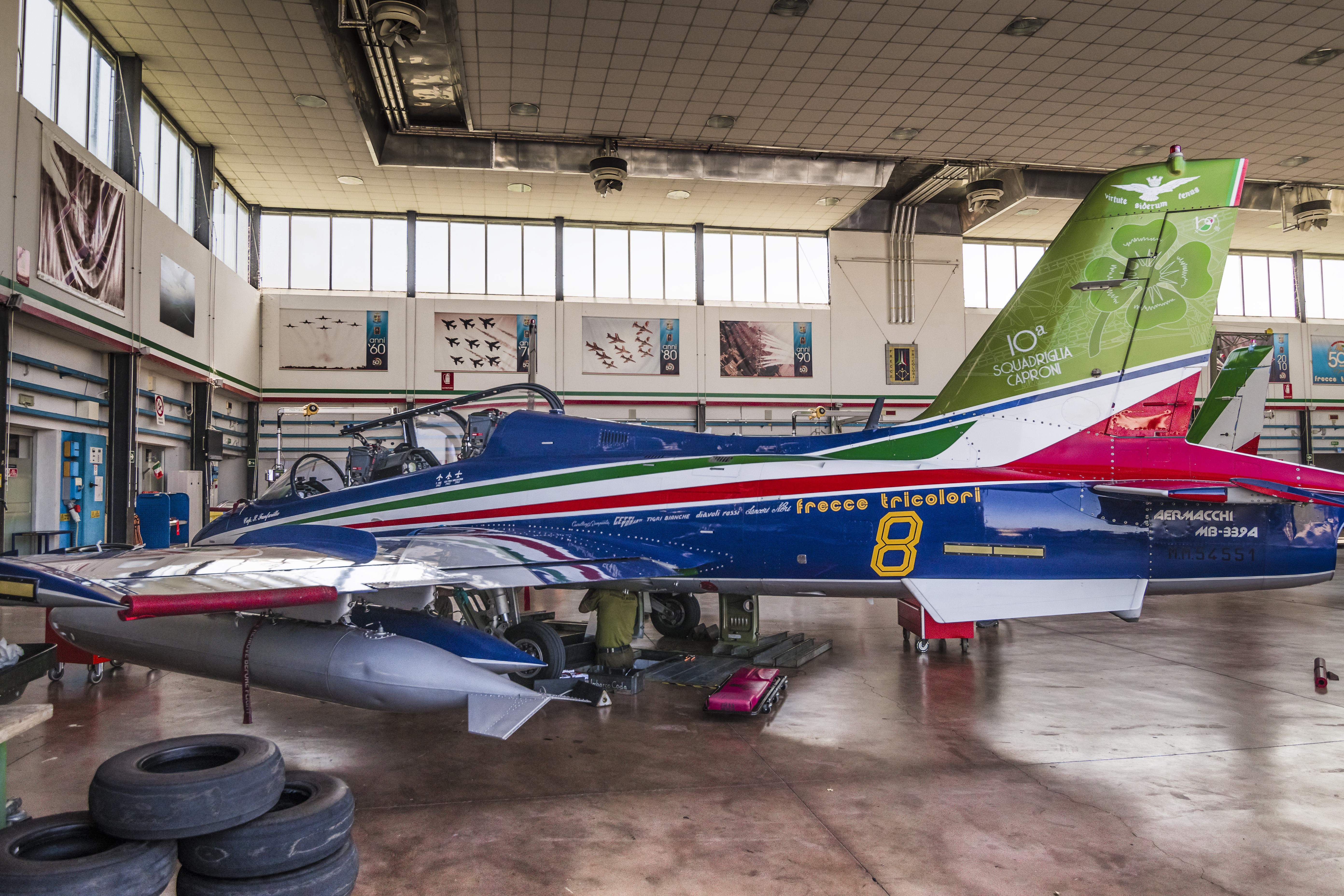
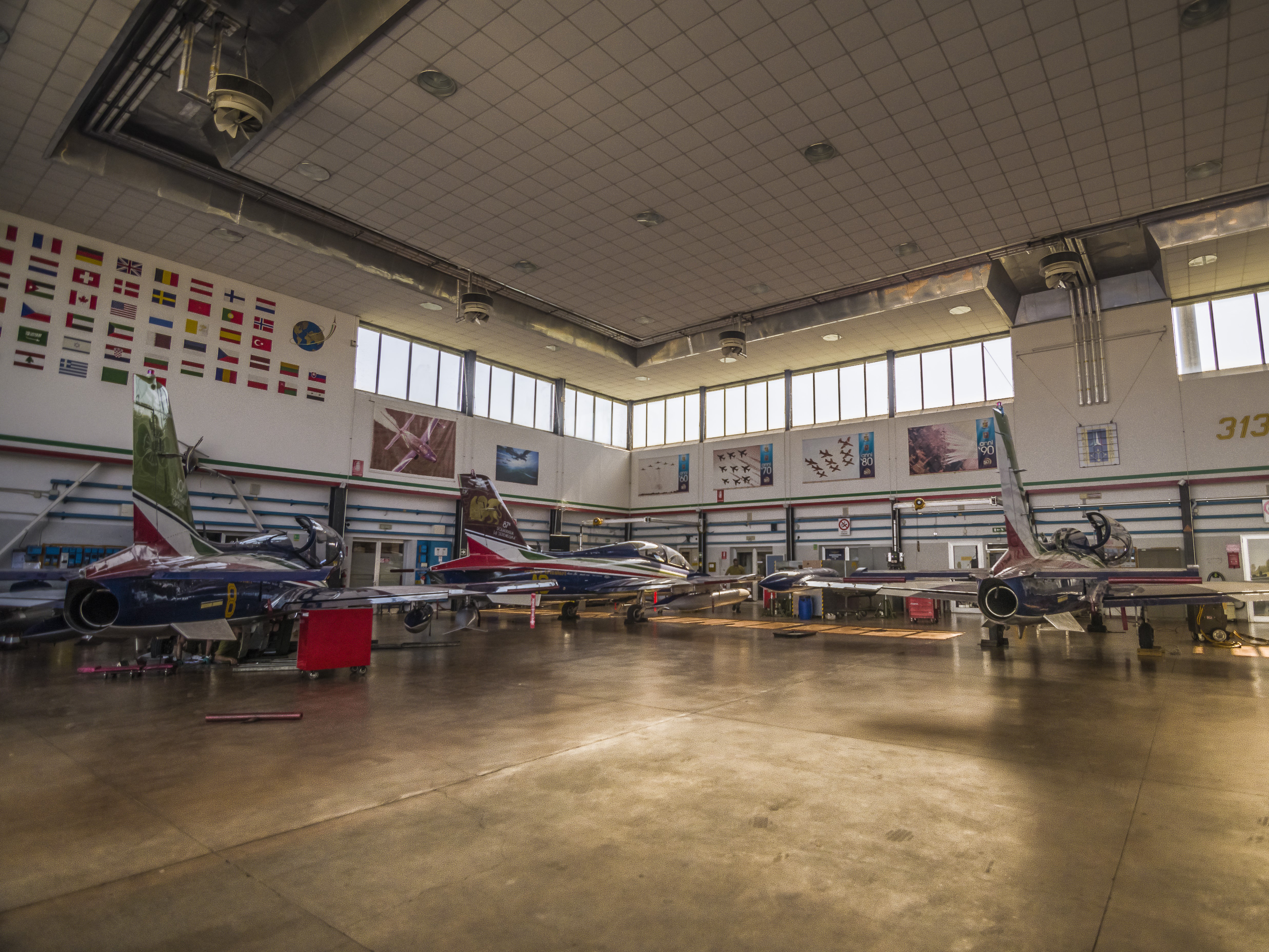
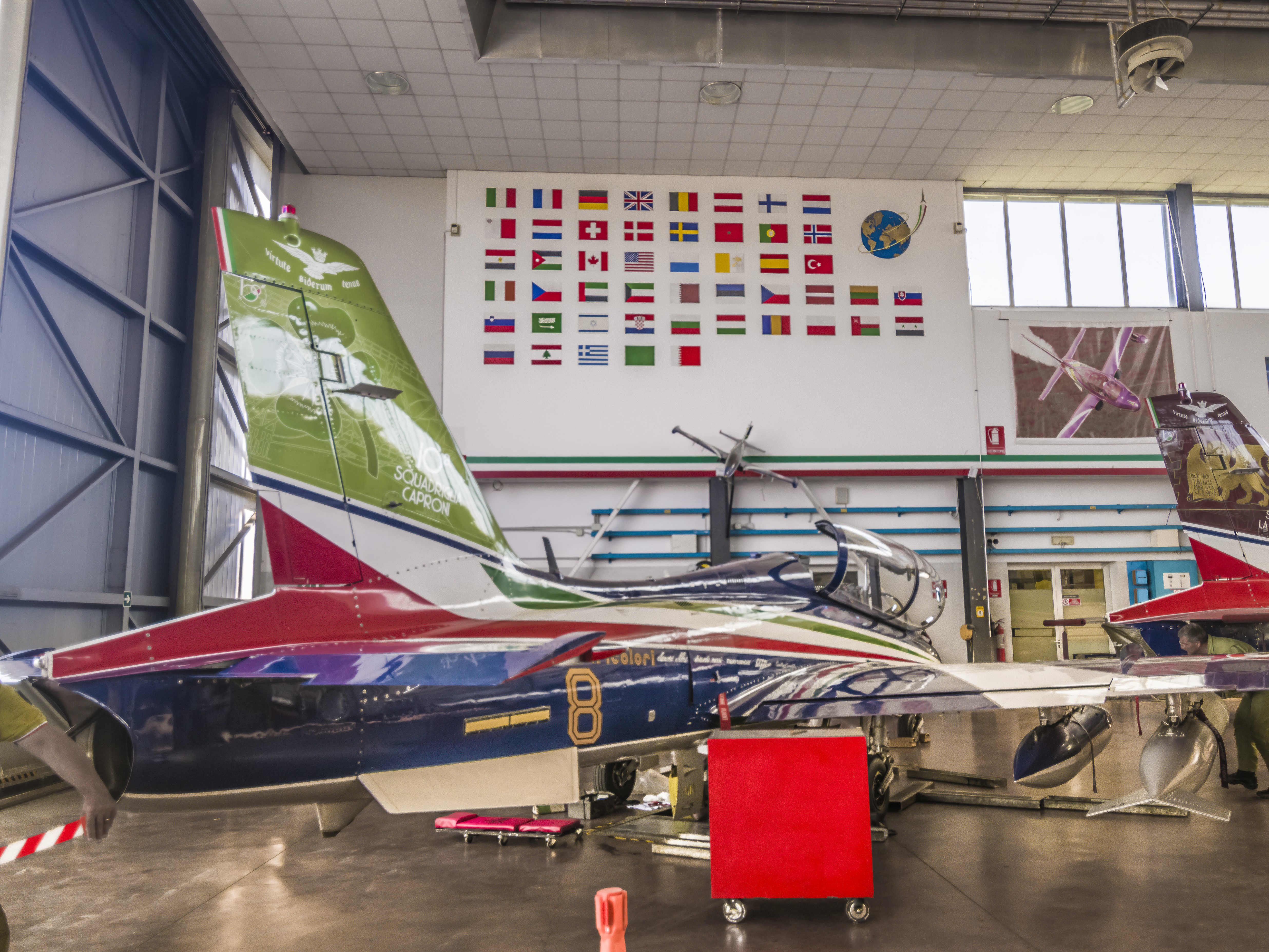
Entrare nell’Hangar 313 non è come entrare in una normale officina aeronautica è come varcare la soglia di una “Cattedrale del Volo”. L’atmosfera che si respira è quella di un museo vivente. Tra un’ala smontata e un motore in revisione, le pareti e gli spazi espositivi raccontano la storia di oltre sessant’anni di acrobazia collettiva. Modelli storici, foto d’epoca e componenti iconiche avvolgono gli aeromobili in manutenzione, creando un ponte continuo tra il passato glorioso e il presente tecnologico. È un luogo dove il futuro dell’aviazione si specchia nelle tradizioni del passato, ricordando a ogni tecnico che ogni elemento fa parte di una leggenda che appartiene a tutti gli italiani.

Le pareti sono tappezzate di fotografie storiche di grandi dimensioni che raccontano i decenni della PAN. Queste immagini creano un legame diretto tra le generazioni: lo specialista di oggi, alzando lo sguardo, vede il lavoro del suo predecessore di cinquant’anni prima che faceva esattamente lo stesso gesto.

Infine il grande espositore con le bandiere di tutte le nazioni dove la PAN ha partecipato a manifestazioni aeree è la testimonianza del fatto che l’Hangar 313 non appartiene solo all’Aeronautica, ma a tutti gli appassionati che in Italia e nel Mondo sostengono la pattuglia.

Il colpo d’occhio complessivo è quello di un’officina rinascimentale. Sotto, sul pavimento impeccabile, i tecnici lavorano in silenzio sui jet attuali; sopra, alle pareti, i ricordi delle missioni mondiali vigilano sul loro operato. È questa vicinanza fisica tra il pezzo di ricambio nuovo e il cimelio storico che rende l’Hangar 313 un luogo unico al mondo.

Il lavoro a terra è un rituale di controllo e dedizione. Ogni velivolo viene ispezionato minuziosamente dopo ogni volo. Non si tratta solo di meccanica, ma di una simbiosi totale tra uomo e macchina. Ogni componente ha una “vita” misurata in ore di volo, monitorata con rigore assoluto. La gestione dei serbatoi e degli iniettori dell’impianto fumogeno che permettono di stendere il tricolore nel cielo richiede una cura specifica, affinché il colore sia sempre denso e brillante. Un ruolo unico nella PAN, l’impianto che trasforma l’olio di vaselina e i pigmenti nel tricolore più lungo del mondo, regolando pressione e flussi per una resa cromatica impeccabile.

In una formazione dove gli aerei volano a pochi metri di distanza l’uno dall’altro, la “perfetta efficienza” non è un obiettivo, ma un prerequisito vitale.

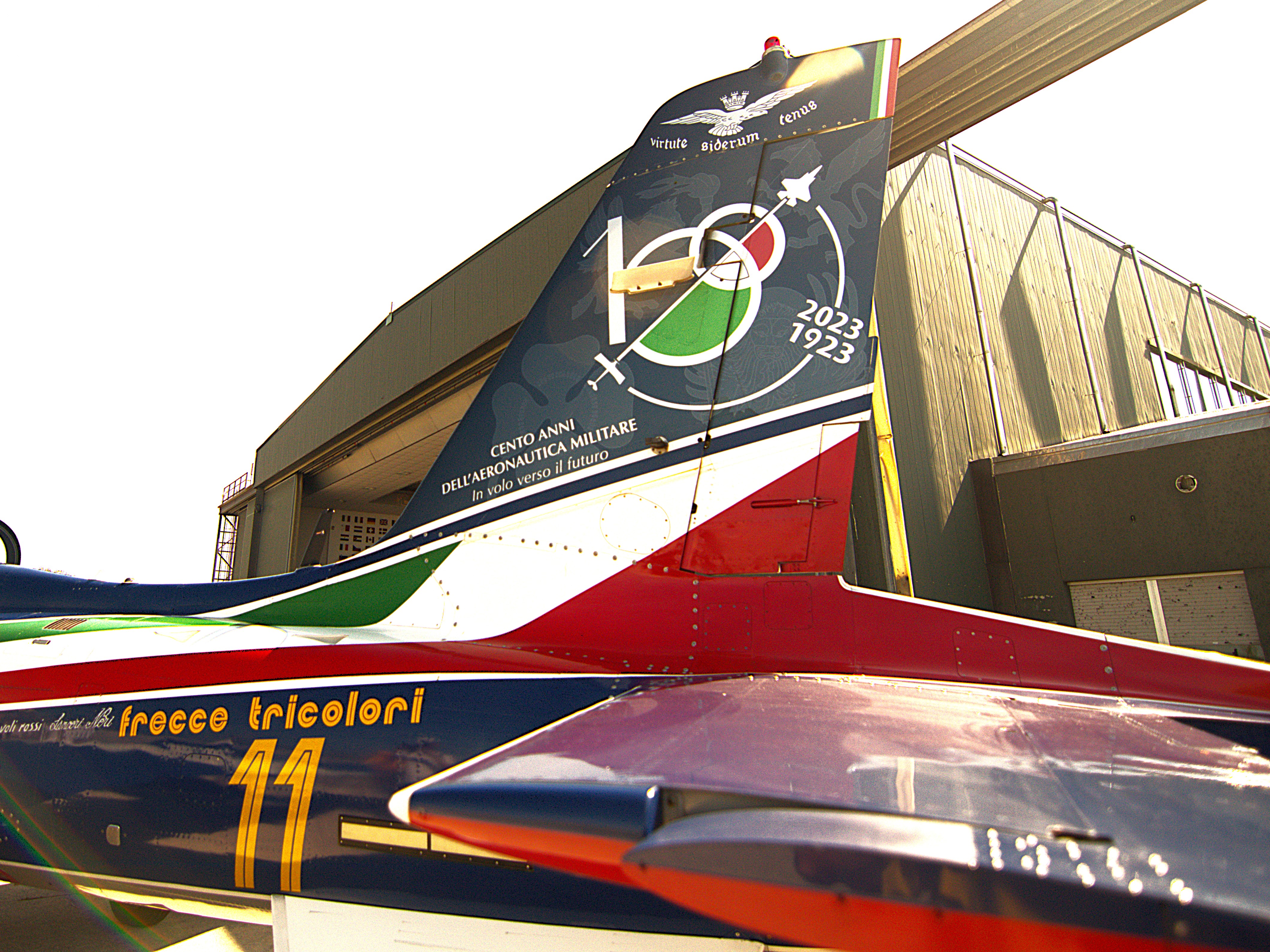
Il 2023 è stato un anno che ha messo a dura prova e, allo stesso tempo, esaltato il lavoro del team di terra. Celebrare il 100° Anniversario dell’Aeronautica Militare ha significato gestire un carico di lavoro straordinario.

In occasione del centenario, l’Hangar 313° è stato il laboratorio dove è stata curata l’estetica e la meccanica della formazione per eventi storici, come la manifestazione a Pratica di Mare. I tecnici hanno lavorato dietro le quinte per garantire che ogni sorvolo, ogni manifestazione e ogni “Special Color” celebrativo fosse impeccabile. È stato un omaggio corale a un secolo di storia, dove il personale di terra ha dimostrato che la passione è il carburante più potente di cui disponga la nostra Forza Armata.

Gli Specialisti del 313°

C’è un racconto che circola tra i veterani di Rivolto riguardo all’incredibile simbiosi tra pilota e meccanico. Si dice che un tecnico, particolarmente preoccupato per una vibrazione anomala segnalata da un pilota su un G.91, passò l’intera notte dentro il pozzetto del carrello, praticamente sdraiato in uno spazio angustissimo, per cercare l’origine del rumore altrimenti invisibile.

Quando il pilota arrivò all’alba per il volo di prova, trovò lo specialista addormentato con la chiave inglese ancora in mano. Il tecnico si svegliò, sorrise e disse solo: “Comandante, adesso è liscio come l’olio. Può andare”. Questo episodio è diventato il simbolo dell’impegno del personale di terra: loro non “aggiustano” aerei, li “rendono perfetti” per i loro fratelli che ci voleranno sopra.

Anche oggi, quindi, l’efficienza del velivolo non è frutto di un lavoro generico, ma della sinergia di figure altamente specializzate, ognuna custode di un apparato critico.

La Linea di Volo: I capi Velivolo che effettuano i controlli prima e dopo ogni volo affidando ad ogni Pilota il suo MB339.

I Manutentori Meccanici: Sono i “chirurghi” della struttura. Curano la cellula del velivolo, la cabina, l’impianto di condizionamento, di pressurizzazione e di ossigeno e i sistemi idraulici. Il loro compito è garantire che l’aereo risponda istantaneamente alle sollecitazioni estreme del volo acrobatico preservando il pilota in tutte le manovre.

I Motoristi: Responsabili e Manutentori del propulsore Rolls Royce Viper in dotazione all’MB339. Ascoltano il suono del motore come un battito cardiaco, assicurandosi che la spinta sia sempre costante e affidabile, specialmente durante le manovre a bassa quota.

Gli Elettromeccanici di Bordo: Garantiscono la manutenzione per il corretto funzionamento degli apparati elettrici e degli strumenti presenti nella cabina di pilotaggio.

Gli Specialisti Avionici ed Elettronici: Gestiscono il “cervello” dell’aereo. Dalla radio agli strumenti di navigazione, ogni circuito deve essere perfetto per permettere ai piloti di mantenere la sincronia millimetrica necessaria in formazione.

Gli Specialisti dei Sistemi di Emergenza: Curano i seggiolini eiettabili Martin Baker e i sistemi di sopravvivenza. Il loro è un lavoro silenzioso ma vitale: sono coloro che garantiscono la sicurezza estrema del pilota.

Gli specialisti dell’Equipaggiamento: Verificano l’efficienza e il funzionamento del Casco, della Tuta anti G, del giubbotto di salvataggio, del kit di sopravvivenza del Seggiolino preservando l’integrità fisica dei piloti.

Il Controllo Qualità che verifica e documenta tutte le attività, i Reparti Logistici e di Approvvigionamento, la Segreteria, il Personale, le Pubbliche Relazioni completano gli specialisti a terra contribuendo a rendere impeccabile ogni attività di volo, esibizione o sorvolo.

The Technical Heart of the Hangar 313° Gr. P.A.N. in the year of the Centenary of the Italian Air Force

Entering Hangar 313 isn’t like entering a standard aircraft workshop; it’s like crossing the threshold of a “Cathedral of Flight.” The atmosphere is that of a living museum. From a disassembled wing to an overhauled engine, the walls and exhibition spaces tell the story of over sixty years of collective aerobatics. Historic models, period photographs, and iconic components surround the aircraft undergoing maintenance, creating a seamless bridge between the glorious past and the technological present. It’s a place where the future of aviation is reflected in the traditions of the past, reminding every technician that every element is part of a legend that belongs to all Italians.

2023 was a year that both challenged and exalted the work of the ground team. Celebrating the 100th Anniversary of the Italian Air Force meant managing an extraordinary workload.
On the occasion of the centenary, Hangar 313° served as the laboratory where the aesthetics and mechanics of the formation for historic events, such as the event in Pratica di Mare, were curated. The technicians worked behind the scenes to ensure that every flyby, every demonstration, and every celebratory “Special Color” was flawless. It was a concerted tribute to a century of history, where the ground crew demonstrated that passion is the most powerful fuel our Armed Forces possesses.

Fonti delle informazioni:

Sito ufficiale dell’Aeronautica Militare Italiana

Documentazione storica e tecnica relativa al Centenario dell’Aeronautica Militare (1923-2023)

Archivio Storico Rivolto – “La manutenzione nel volo acrobatico”.

QR-code: Brochure 2023 Frecce Tricolori

Utilizzo delle fonti Fair Use: Diritto di cronaca limitato a fini didattici o scientifici.


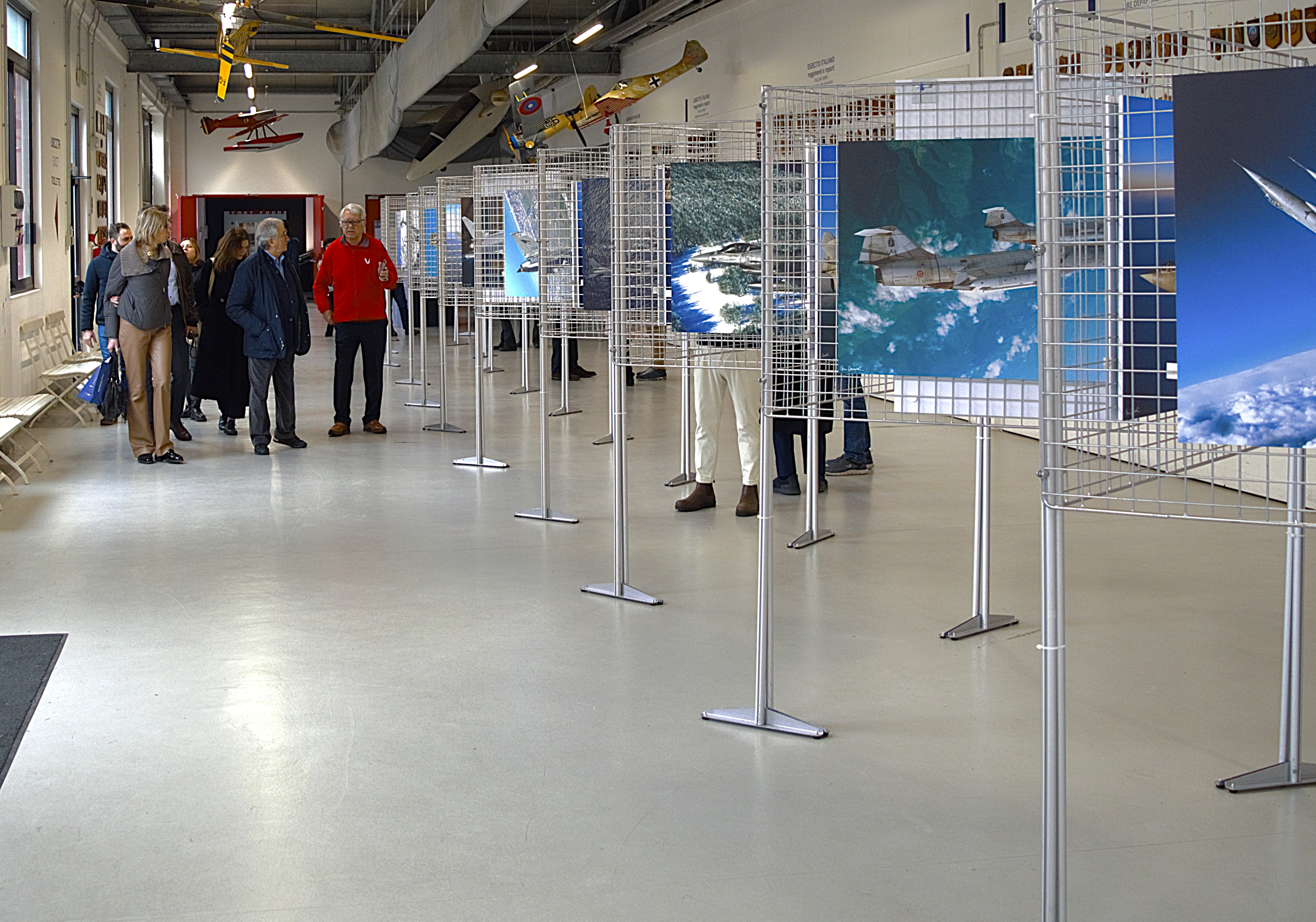
Volandia, Mostra Fotografica “Custodi Dell’Aria”

2 marzo 2026

(foto e testo a cura di Renato Alberio, Volandia, 28 Febbraio 2026)

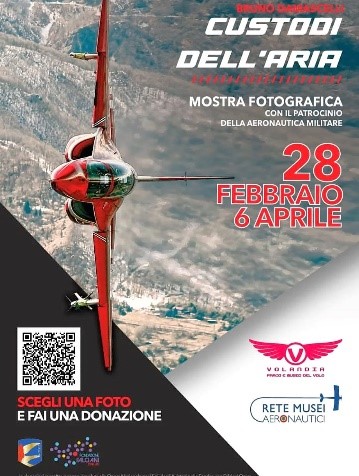
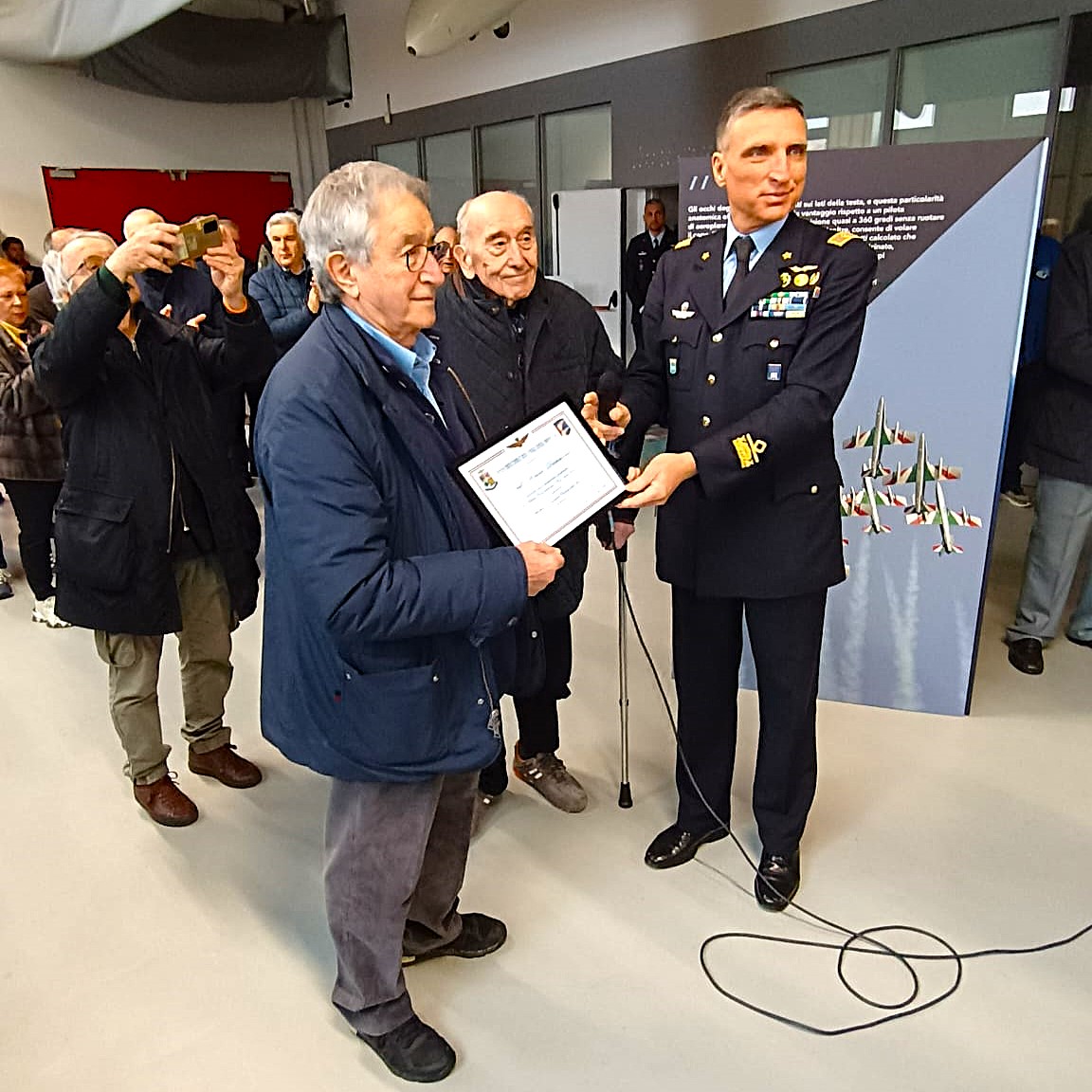
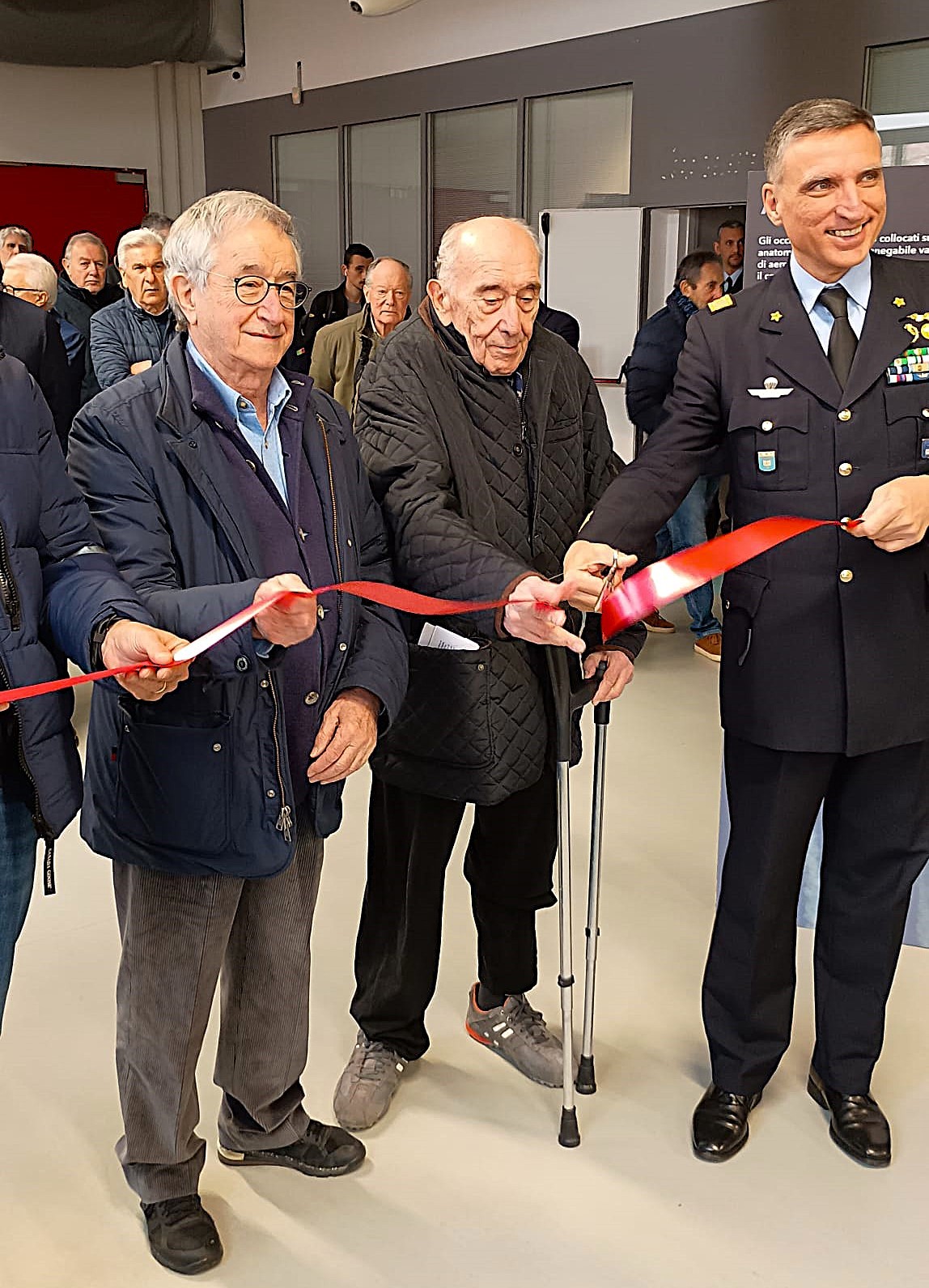
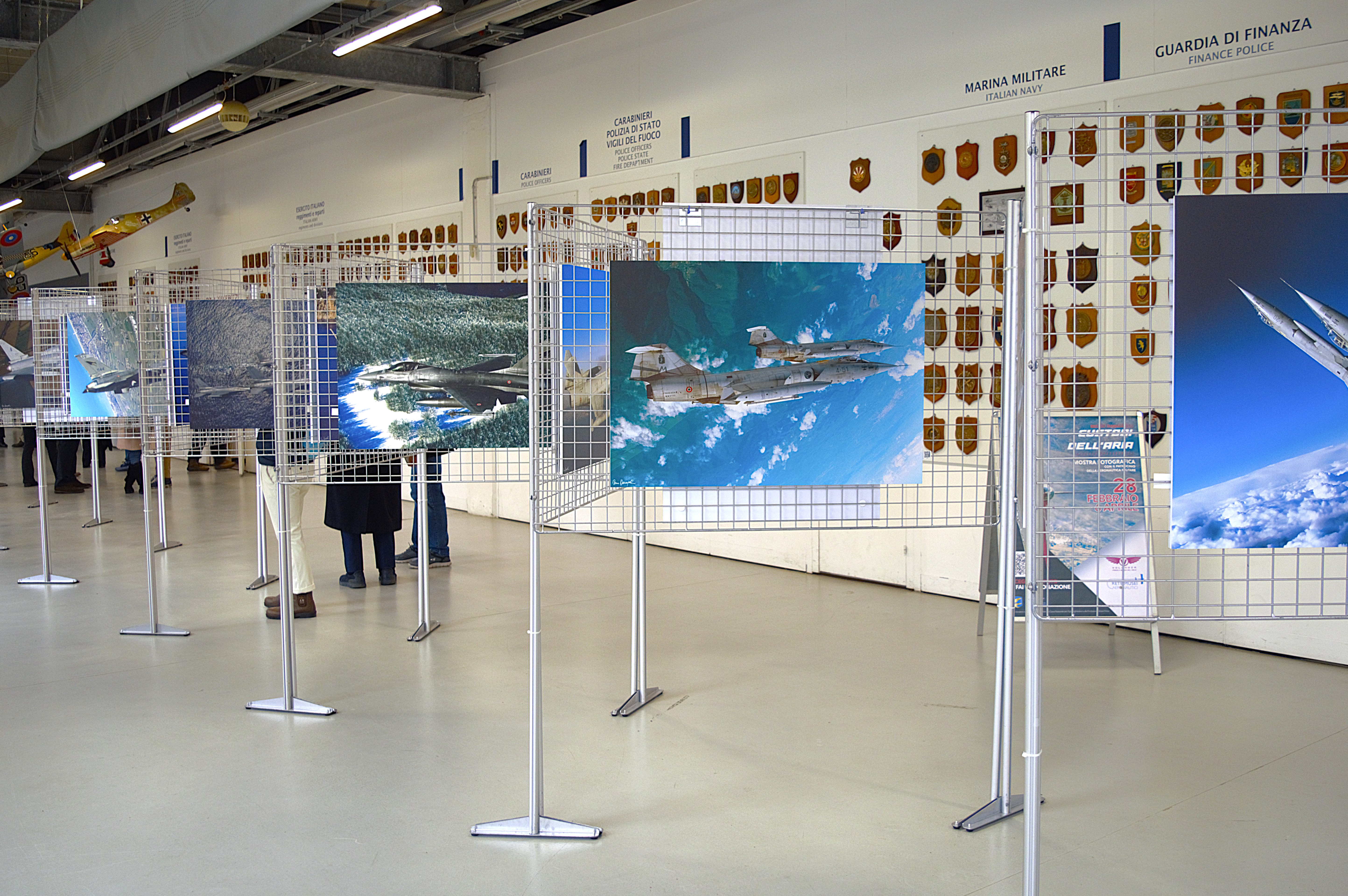
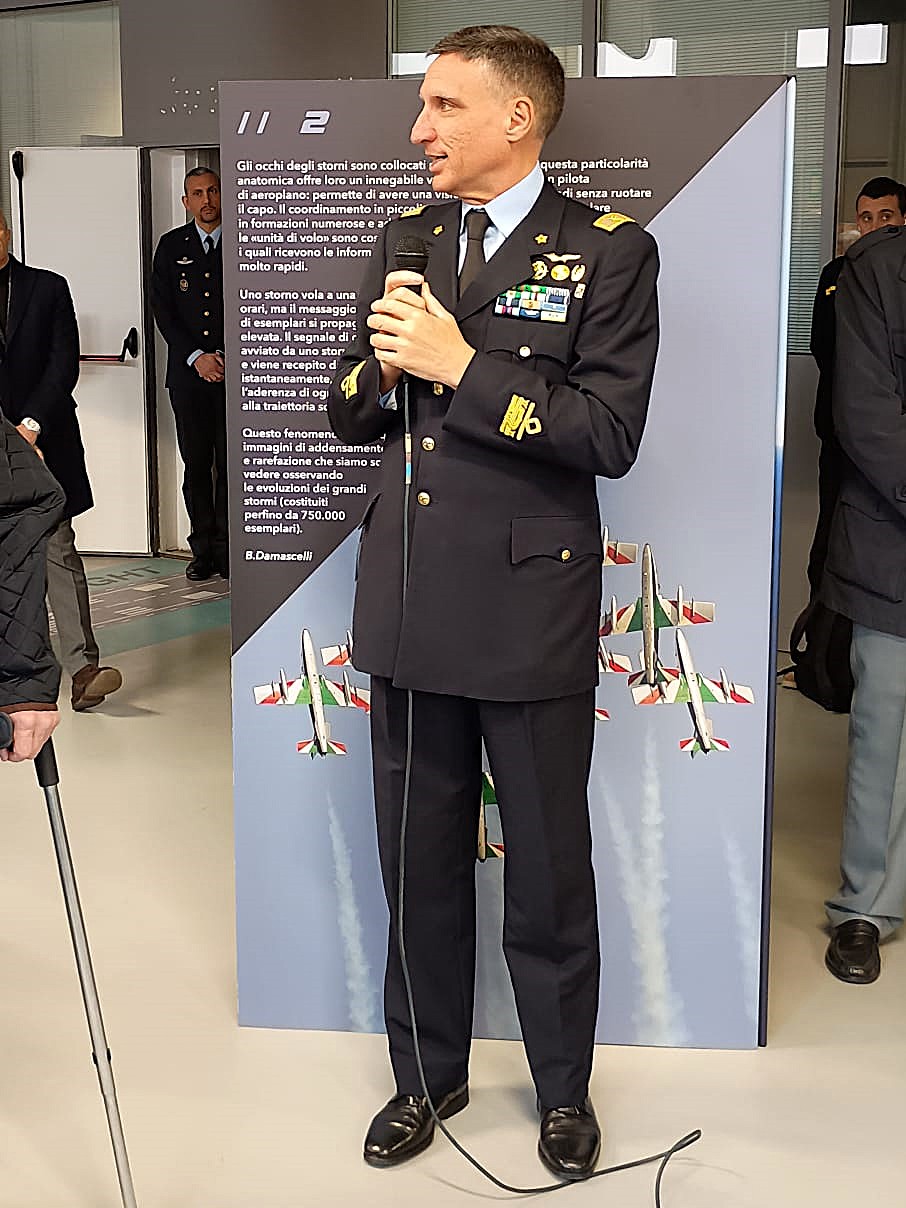
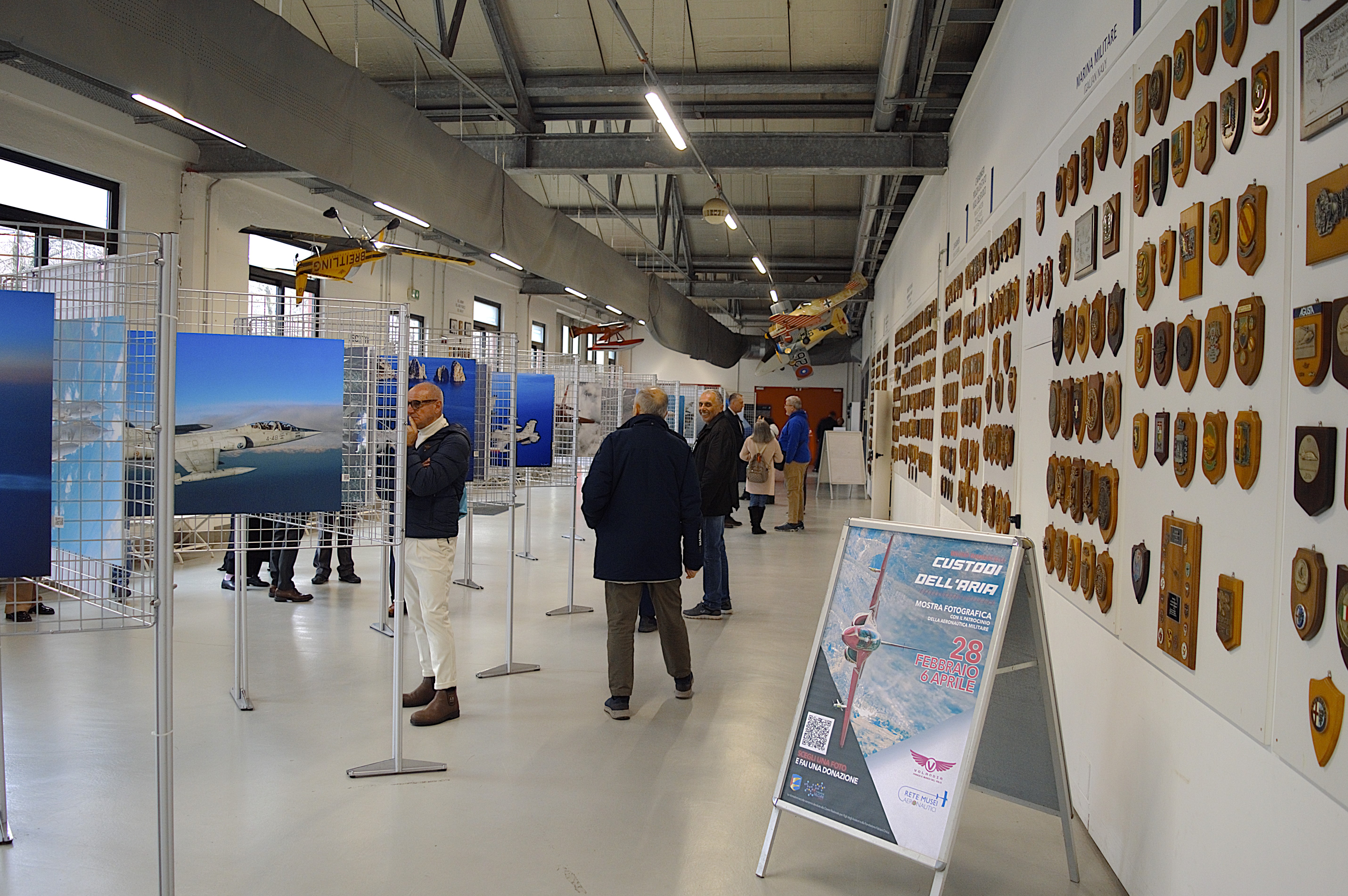
Sabato 28 febbraio, alle 10.30, Volandia ha ospitato il taglio del nastro della mostra fotografica “Custodi dell’Aria”, alla presenza del presidente del Museo, Marco Reguzzoni, dell’autore Bruno Damascelli e del Generale di Brigata Luca Baione, capo reparto Servizi Territoriali e di presidio della Aerea di Milano.

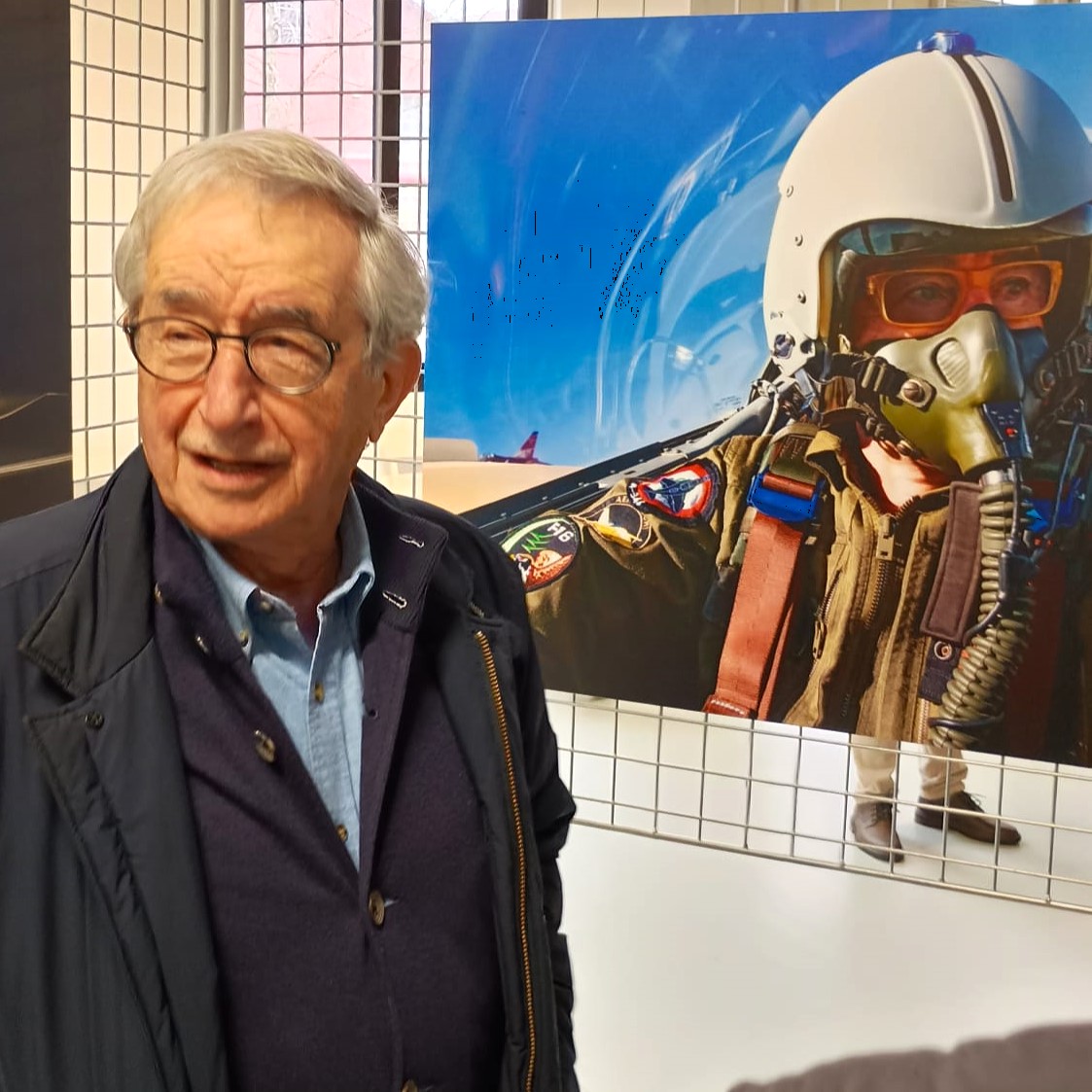
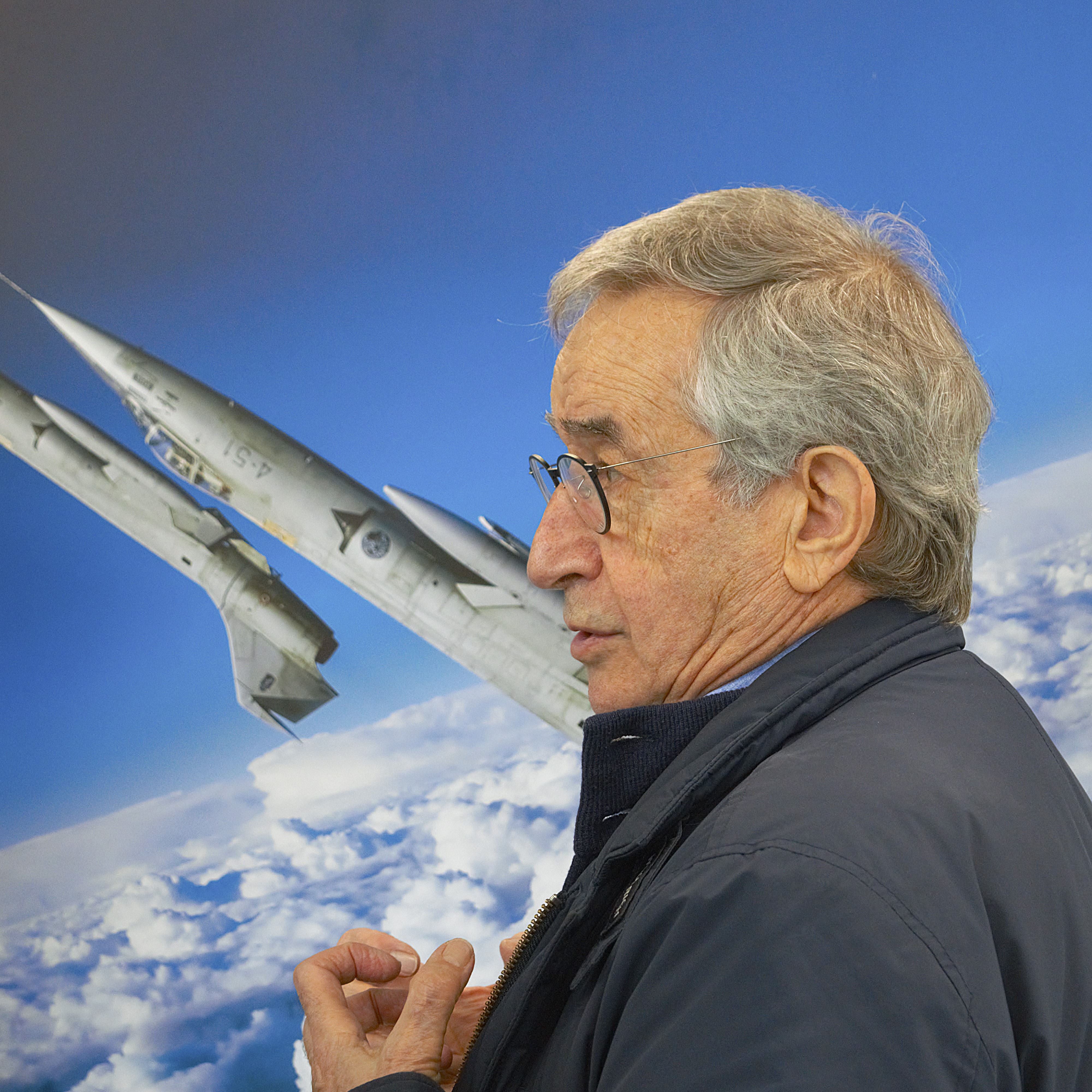
L’esposizione vede esposti 50 scatti suggestivi, dedicati ai velivoli impegnati dall’Aeronautica Militare nel corso degli anni. Patrocinata dalla Forza Armata, l’esposizione affianca alla dimensione culturale una finalità benefica: la raccolta fondi a favore dell’Opera Nazionale per i Figli degli Aviatori e della Fondazione Falciani Onlus, impegnata nella diagnosi precoce e nella cura dei tumori.

Professor Damascelli e’stato un Pioniere della Radiologia: È considerato uno dei pionieri in Italia nell’uso degli ultrasuoni a scopo diagnostico e nella radiologia interventistica.                                                                                

Incarichi di prestigio: È stato primario di radiologia presso l’Istituto Nazionale dei Tumori di Milano. Ha inoltre collaborato con la Clinica Columbus di Milano (sezione Emocentrocuore) e con l’Ospedale Pesenti Fenaroli di Alzano Lombardo.                                                                                          

Innovazione clinica: Ha introdotto tecniche avanzate per la diagnosi a bassa invasività delle neoplasie e ha sviluppato procedure innovative come la simpaticectomia renale per il trattamento dell’ipertensione arteriosa resistente.

Oltre alla medicina, il Professor Damascelli è un rinomato fotografo d’aviazione civile e militare. Pubblicazioni e Mostre: Ha pubblicato diverse opere fotografiche, tra cui il libro “Volare a Milano  (Wings over Milan)”.   

Bruno Damascelli riassume in questo modo la sua passione per il volo che rivive nelle fotografie in mostra:. «ho fatto il fotografo per poter volare: poteva essere solamente un sogno e invece è diventato realtà. Sono riuscito così, in tanti voli, a essere uno di loro, i piloti militari. Il mio pensiero volava davanti all’aeroplano,interrotto soltanto dall’urto del carrello sul terreno».

Finalità Benefiche: Il Professor Bruno Damascelli è l’anima scientificadella Fondazione Falciani Onlus. 

Spesso lega i suoi progetti fotografici a iniziative di solidarietà, collaborando con enti come la LILT (Lega Italiana per la Lotta contro i Tumori) e fondazioni per la ricerca oncologica

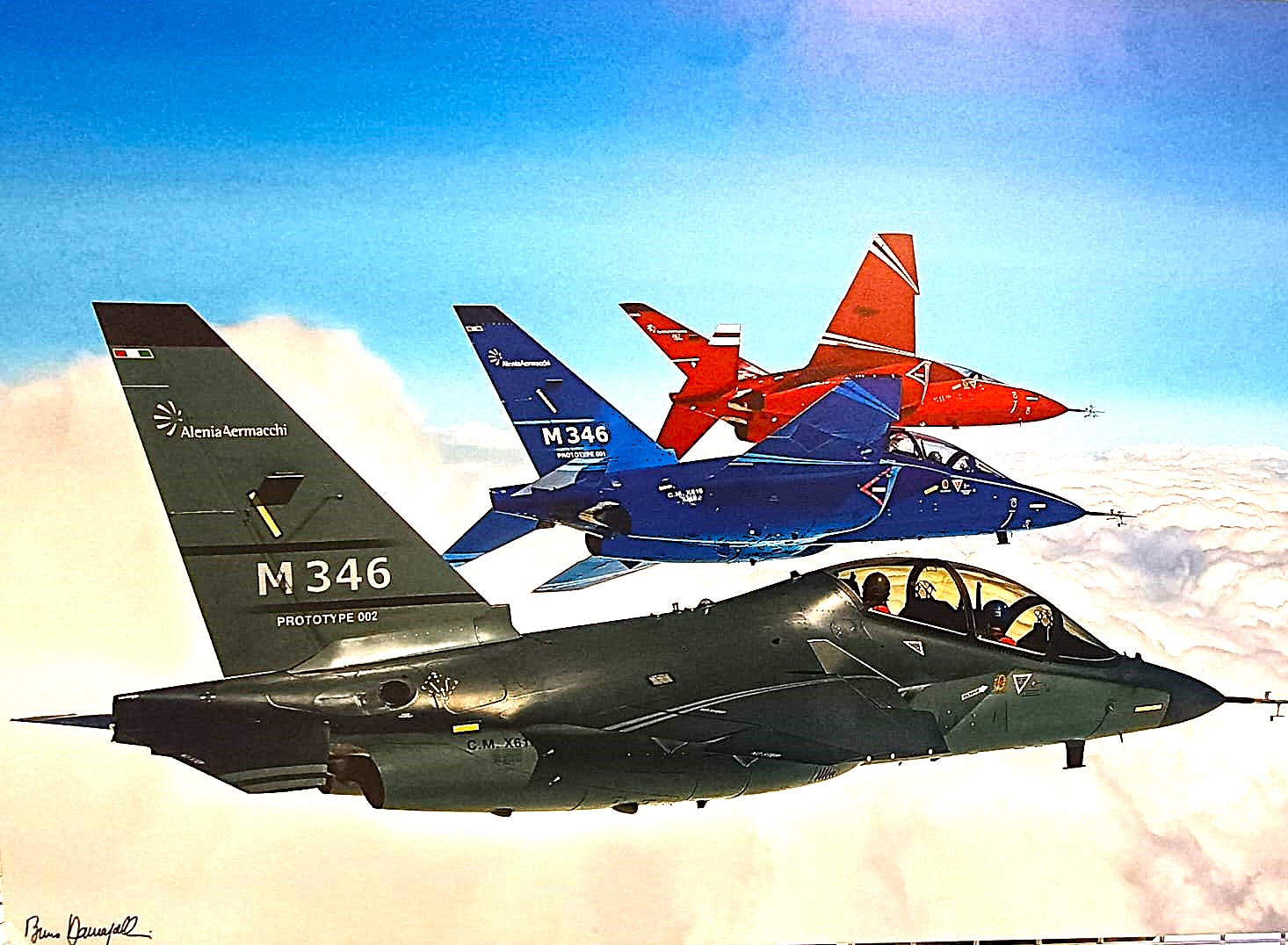
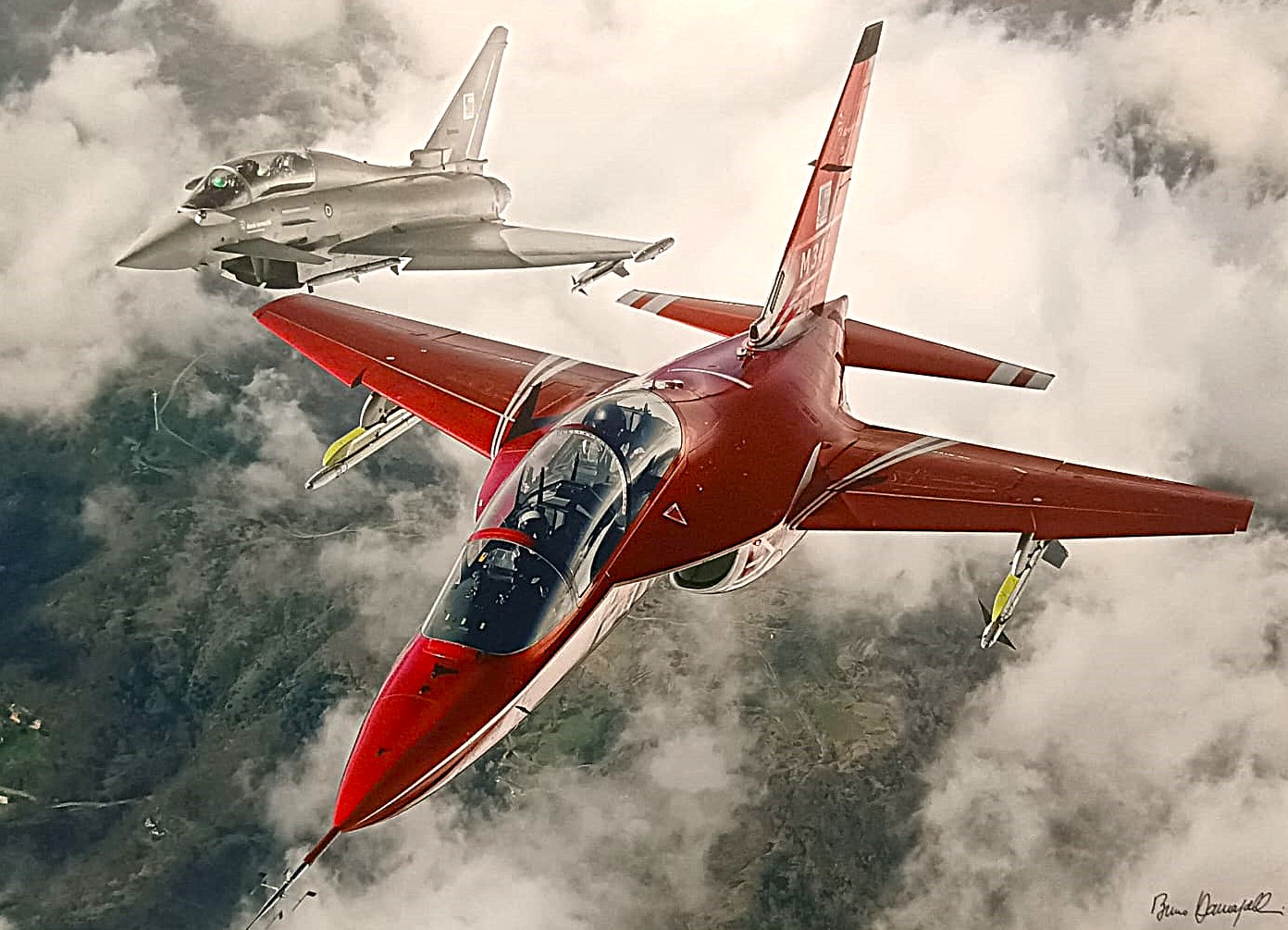
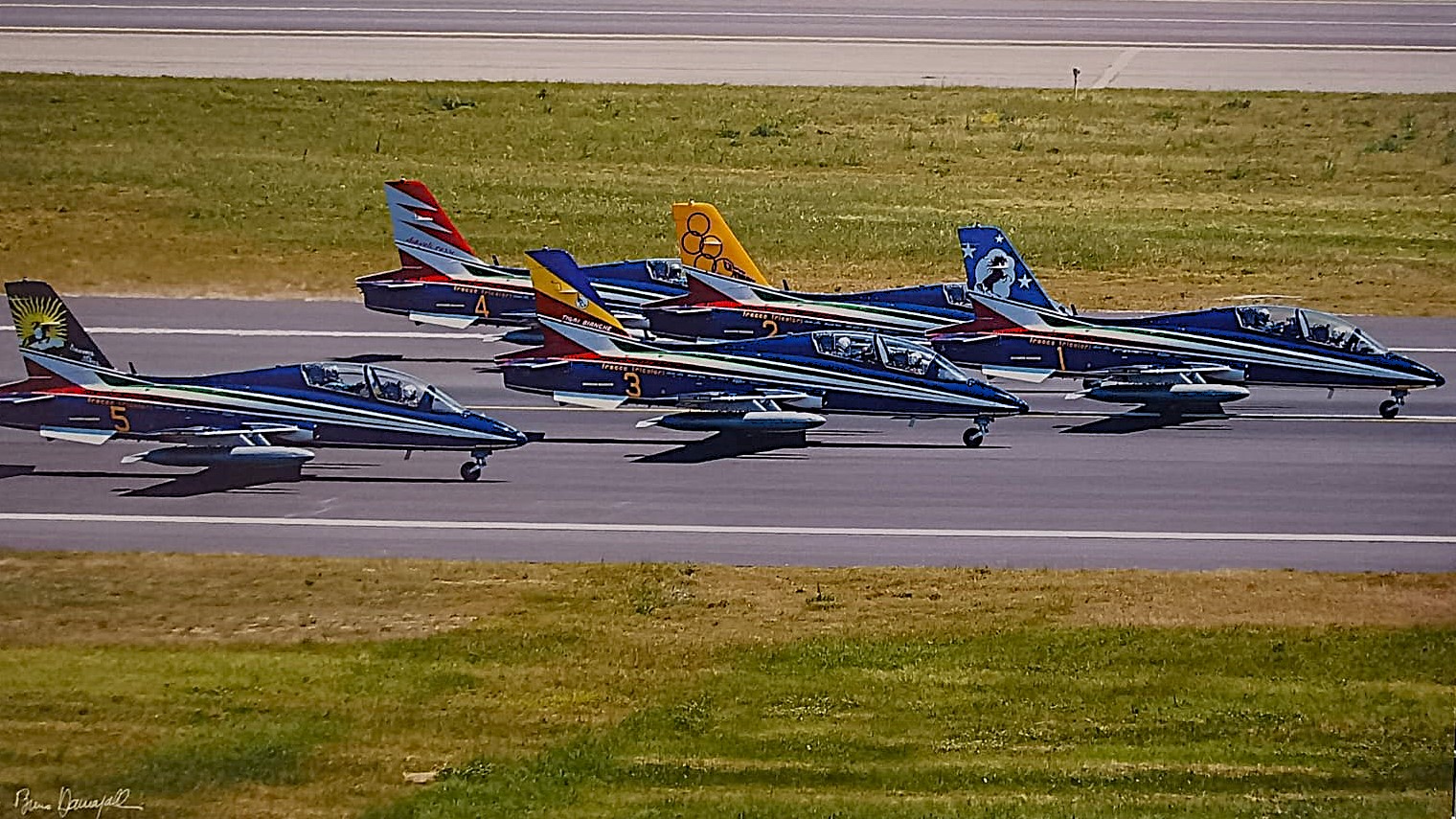
“Custodi dell’Aria”, le immagini più iconiche di Bruno Damascelli in esposizione:

Generale di Brigata Luca Baione

Alto ufficiale dell’Aeronautica Militare Italiana, specializzato nei settori dell’aviazione e della meteorologia. Ecco i dettagli principali sulla sua figura e il suo percorso professionale:

Background Accademico: Nato a Napoli nel 1966, è entrato in Accademia Aeronautica nel 1984. Ha conseguito lauree in Scienze Aeronautiche, Studi Internazionali Strategico-Militari e Scienze Internazionali e Diplomatiche.

Specializzazioni: È qualificato come consulente legale internazionale ed è un esperto riconosciuto nel monitoraggio idro-meteo-climatico e nel supporto meteorologico alle operazioni di difesa e civili.

Onorificenze: Nel 2007 è stato insignito del titolo di Cavaliere dell’Ordine al Merito della Repubblica Italiana.

Consiglio Esecutivo dell’OMM: Da giugno 2023, è membro dell’Executive Council dell’Organizzazione Meteorologica Mondiale (OMM/WMO), l’agenzia delle Nazioni Unite che si occupa di meteo, clima e idrologia. È uno dei sette rappresentanti della Regione europea nel consiglio.

Rappresentante Permanente per l’Italia: Ricopre il ruolo di Rappresentante Permanente dell’Italia presso la stessa Organizzazione Meteorologica Mondiale.

Comando in Aeronautica: È stato a capo dell’Ufficio Generale Aviazione Militare e Meteorologia (SMA AVIAMM) dello Stato Maggiore dell’Aeronautica fino a settembre 2024. Sotto la sua guida, l’ufficio ha gestito sfide cruciali legate al cambiamento climatico e alla sicurezza del volo.

Volandia, Photographic Exhibition “Guardians of the Air”

On Saturday, February 28th, at 10:30 a.m., Volandia hosted the ribbon-cutting ceremony for the photography exhibition “Guardians of the Air,” attended by the Museum’s president, Marco Reguzzoni, author Bruno Damascelli, and Brigadier General Luca Baione, head of the Territorial and Garrison Services unit of the 1st Air Force in Milan. The exhibition features 50 evocative photographs of aircraft used by the Italian Air Force over the years. Sponsored by the Armed Forces, the exhibition combines its cultural dimension with a charitable purpose: raising funds for the National Association for the Sons of Aviators and the Falciani Foundation, which is committed to early diagnosis and treatment of cancer.

Fonti delle informazioni:

Volandia Parco e Museo del Volo

Aeronautica Militare

Comolake 2024
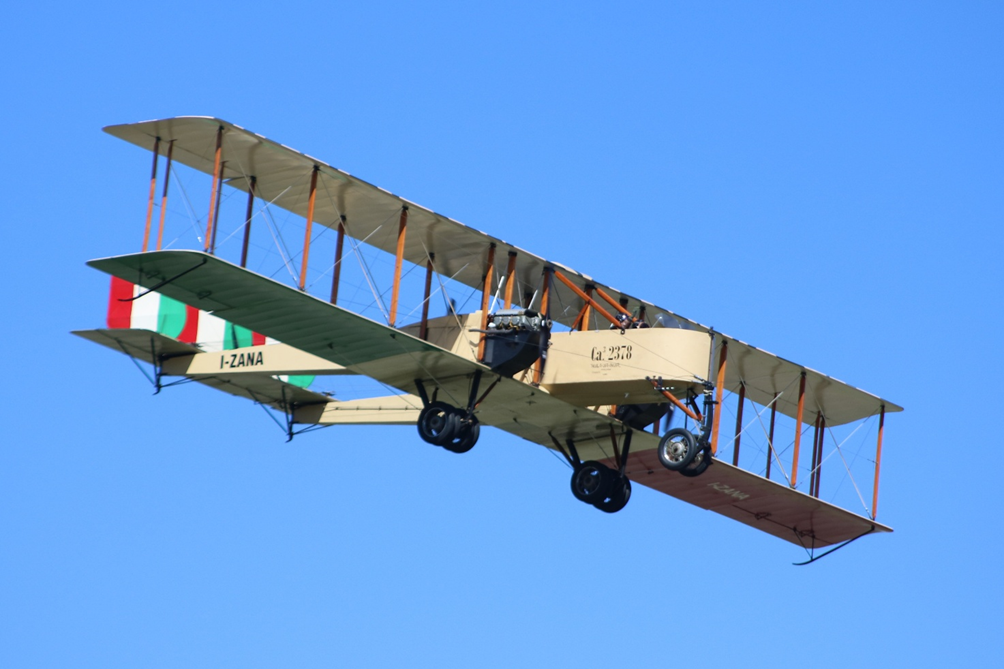
Malpensa24  
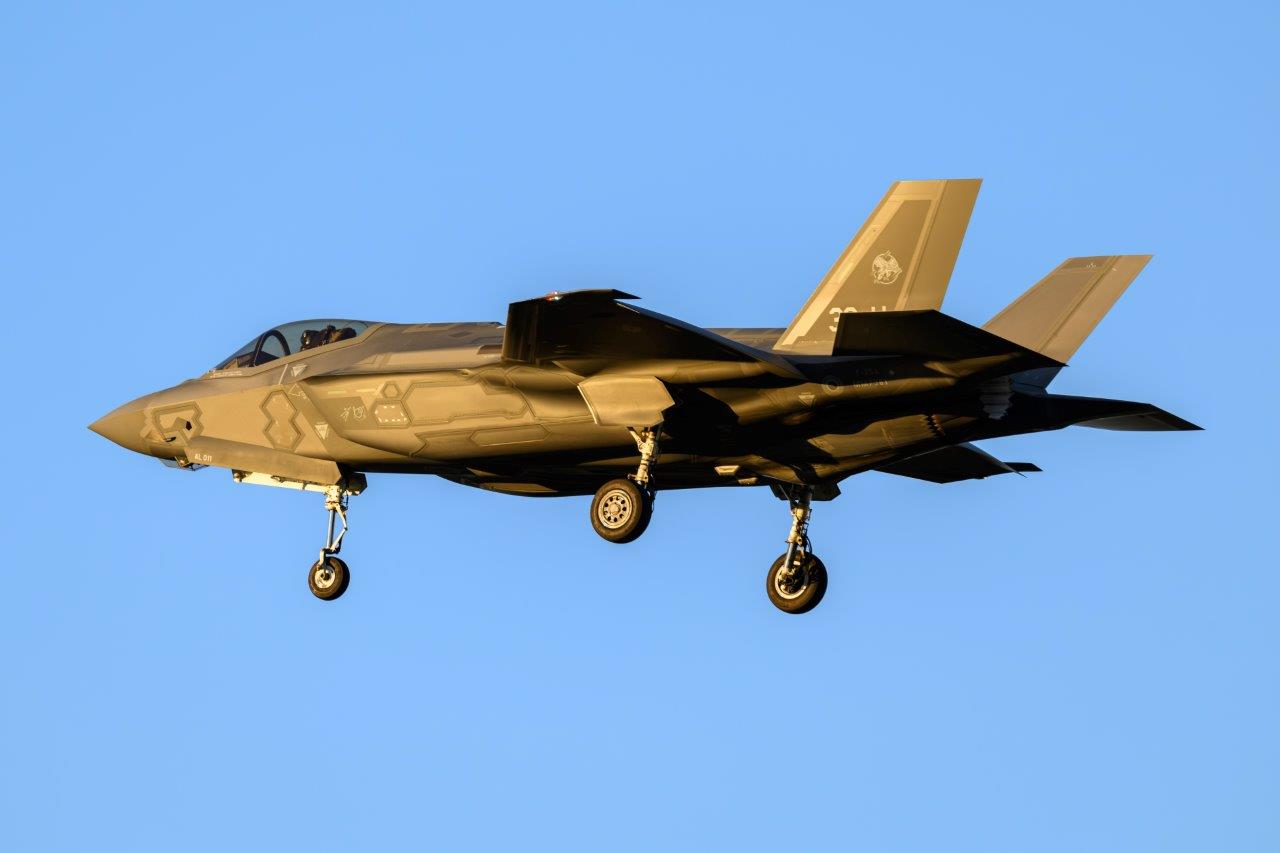
Organizzazione Meteorologica Mondiale (WMO/OMM)

Fondazione IRCCS Istituto Nazionale dei Tumori (Milano)

Utilizzo delle fonti Fair Use: Diritto di cronaca limitato a fini didattici o scientifici.

Le foto di Bruno Damascelli qui riprodotte, come tutte le foto esposte, possono essere acquistate.             

I proventi saranno devoluti a favore dell’Opera Nazionale per i figli degli Aviatori e della Fondazione Falciani.


Piacenza Air Show 2025: Aircraft Displays and Performances (Parte 1)

17 febbraio 2026

(Foto a cura di Anna Vigo e Massimo Vigo, testo di Massimo Vigo)

La seconda edizione dell’A.M. Balloon Cup si è tenuta a Piacenza San Damiano nel weekend del 26/27/28 Settembre 2025.

Dopo due giorni “difficili” per il meteo finalmente alla domenica 28 settembre si sono verificate contemporaneamente le tre condizioni ideali per fotografare la P.A.N.:

  • cielo azzurro e aria tersa
  • sole alle spalle per tutta la manifestazione aerea
  • esibizione della P.A.N. programmata con sole alto

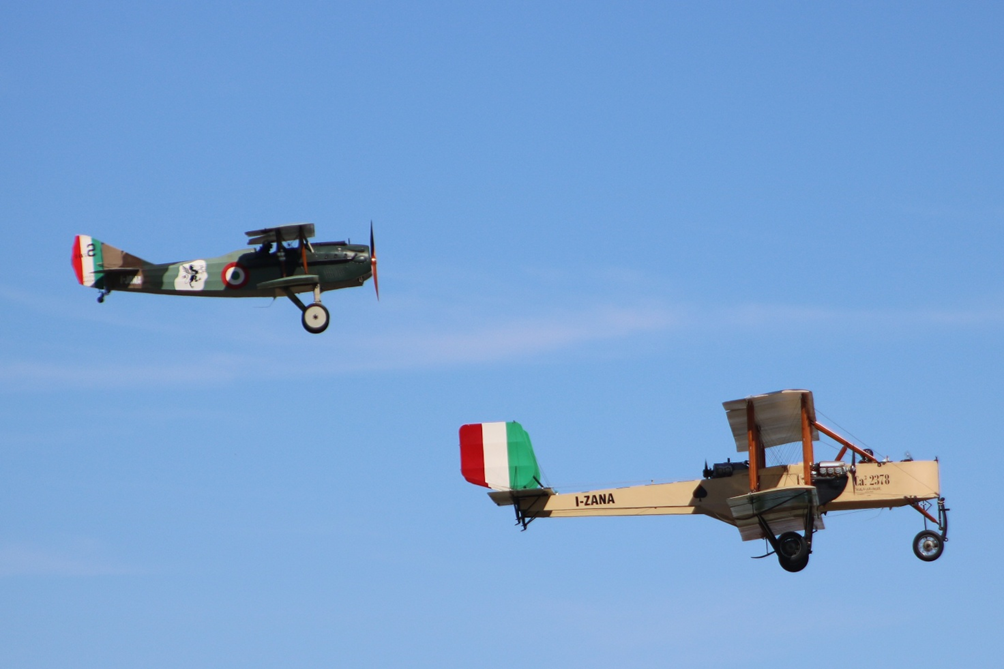
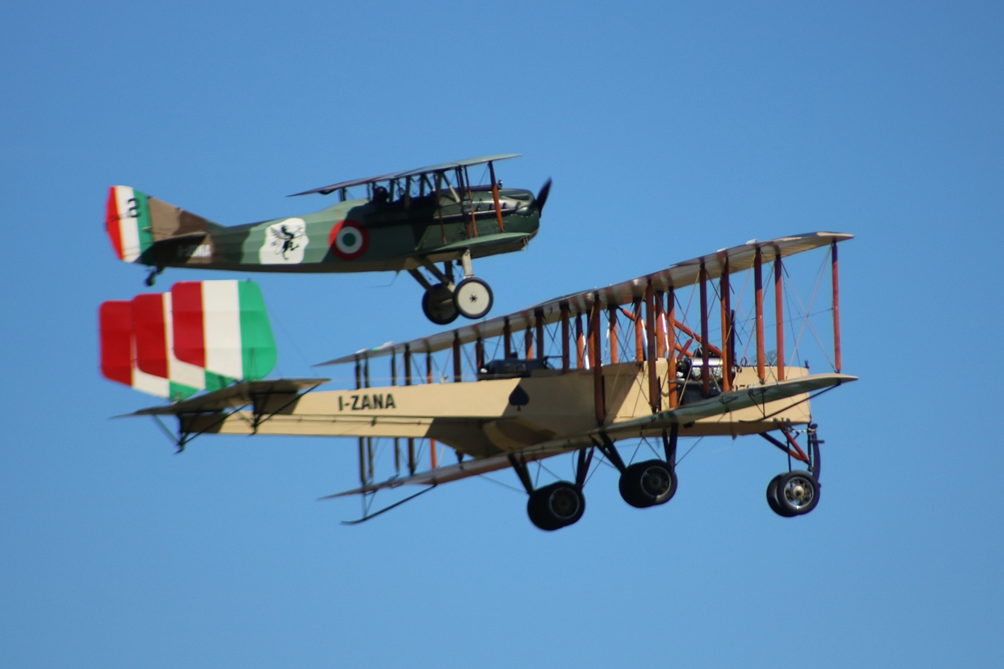
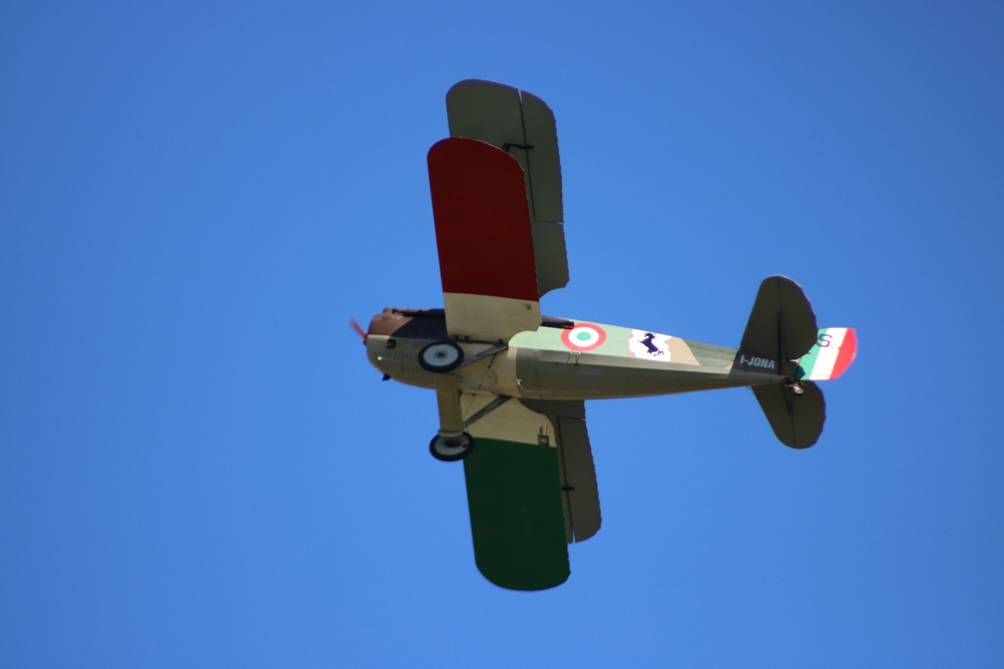
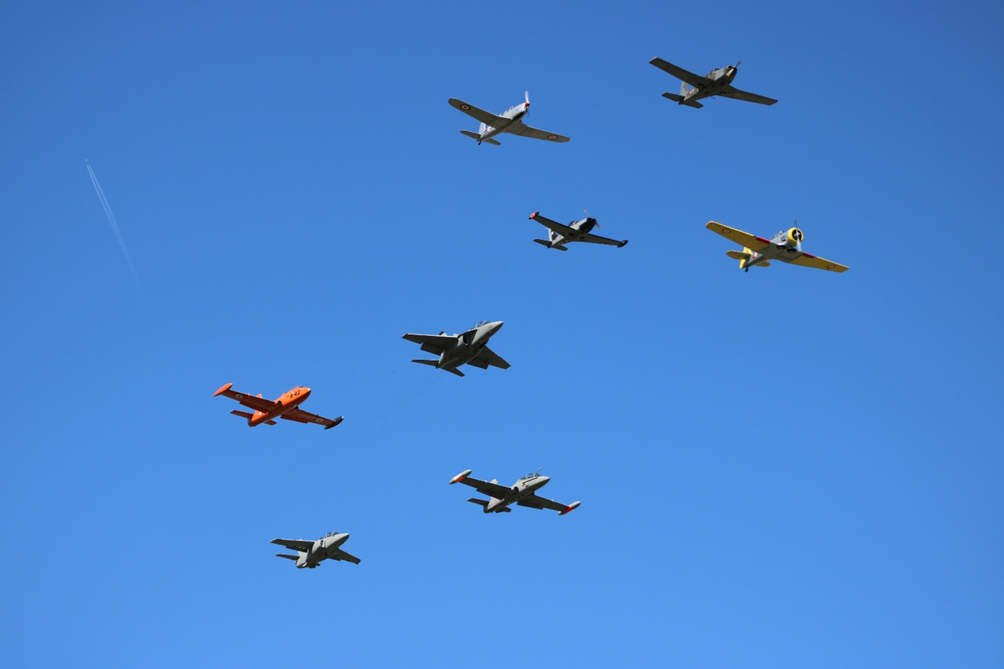
Oltre alla P.A.N. il programma di volo prevedeva anche la presentazione di T345, T346, G91 PAN, Formazione Legend, Caproni Ca3 e SPAD XIII della Fondazione Jonathan Collection.

Se a questo aggiungiamo una piccola statica capiamo perché sia stato possibile superare abbondantemente le 1000 fotografie, con conseguente difficoltà di selezione per questo articolo.

Per questo motivo il Piacenza Air Show sarà descritto in due parti:

  1. Statica e presentazioni in volo
  2. P.A.N.


Cominciamo quindi con la statica:

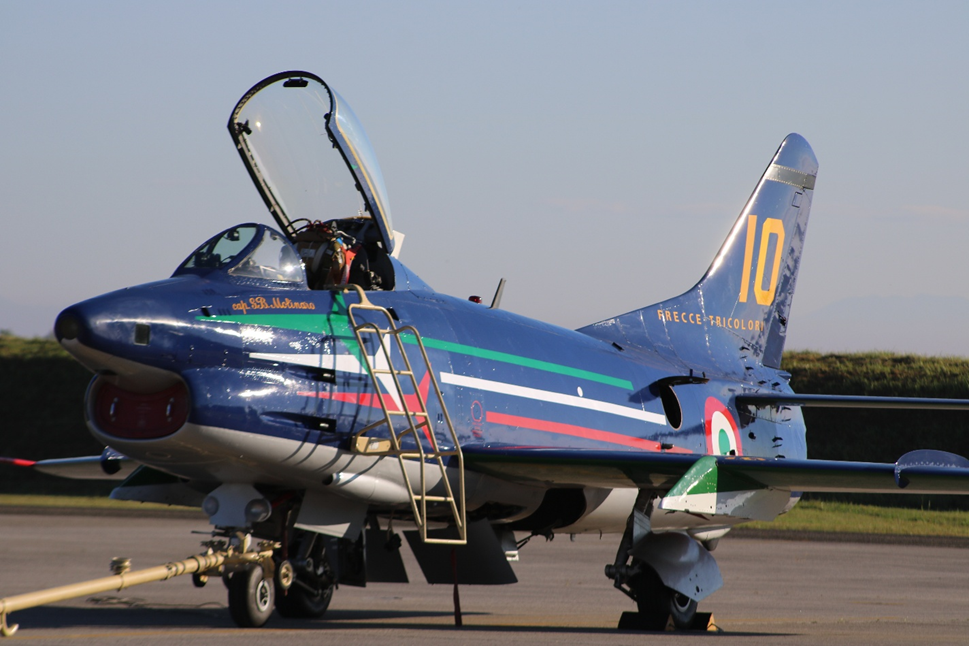
  • Ca.3 che poi vedremo anche in volo
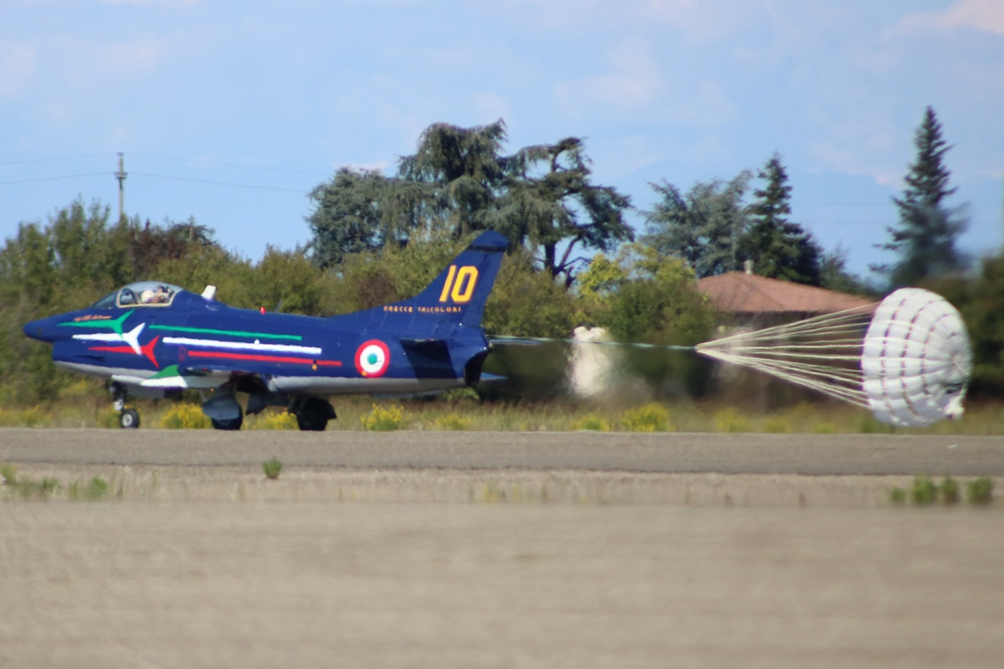
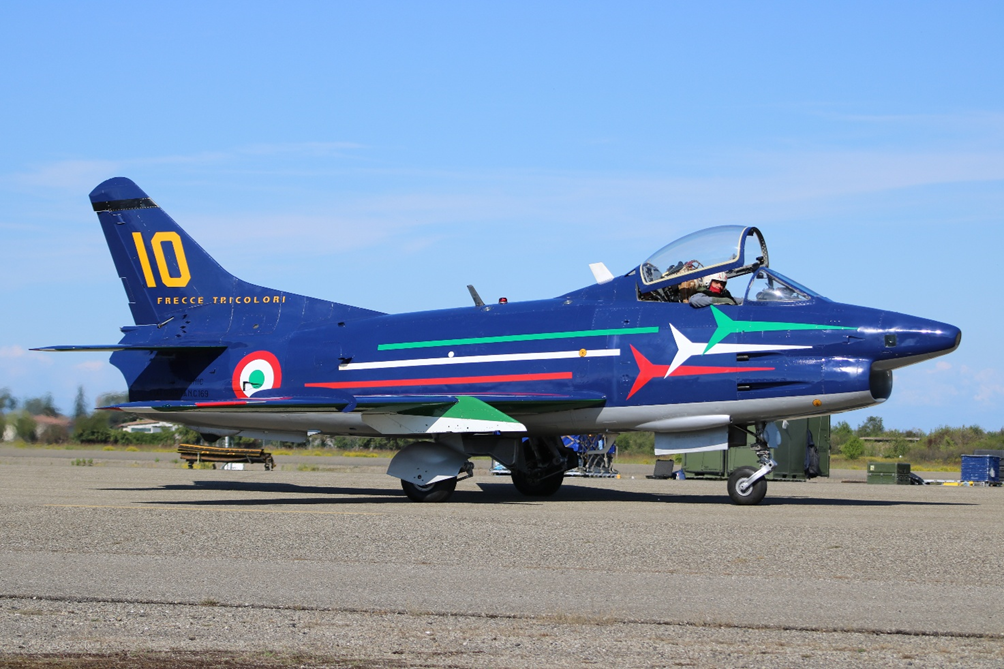
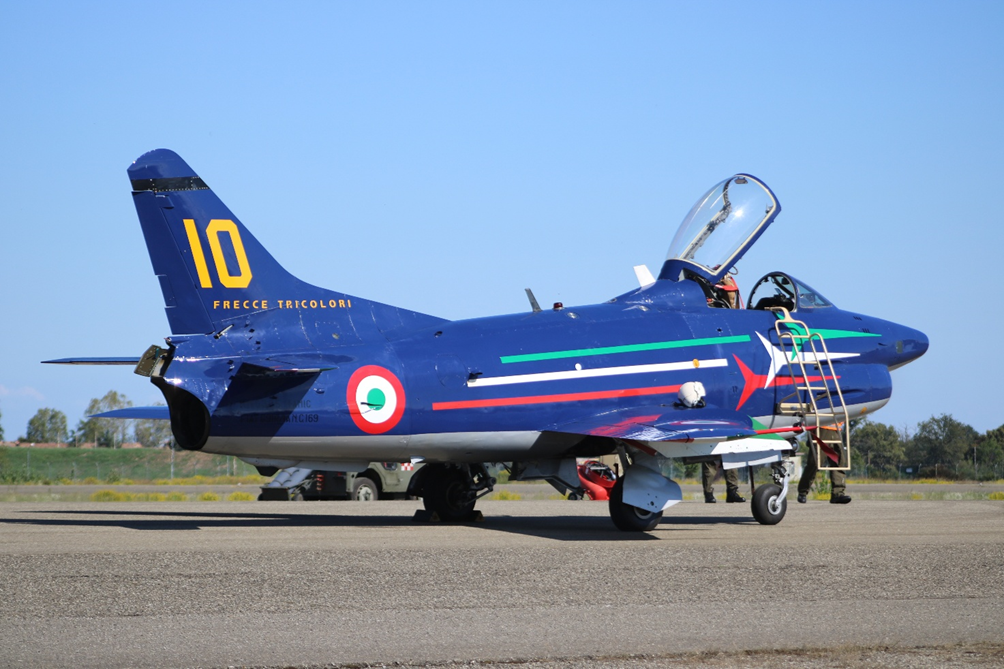
  • G91 PAN prima di essere spostato in linea di volo
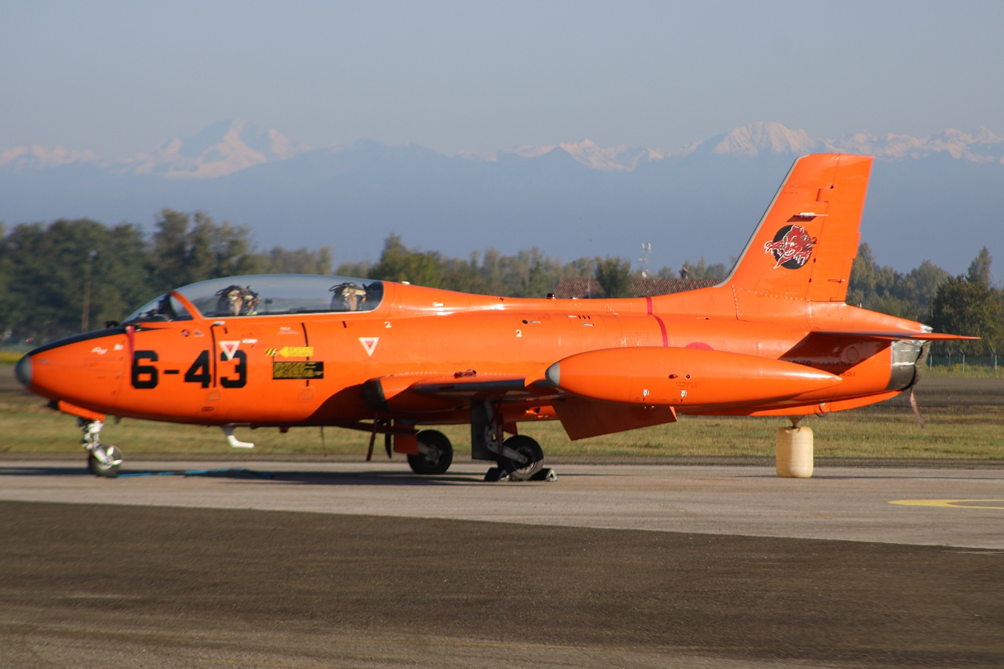
  • MB326 della formazione Legend, che poi vedremo anche in volo
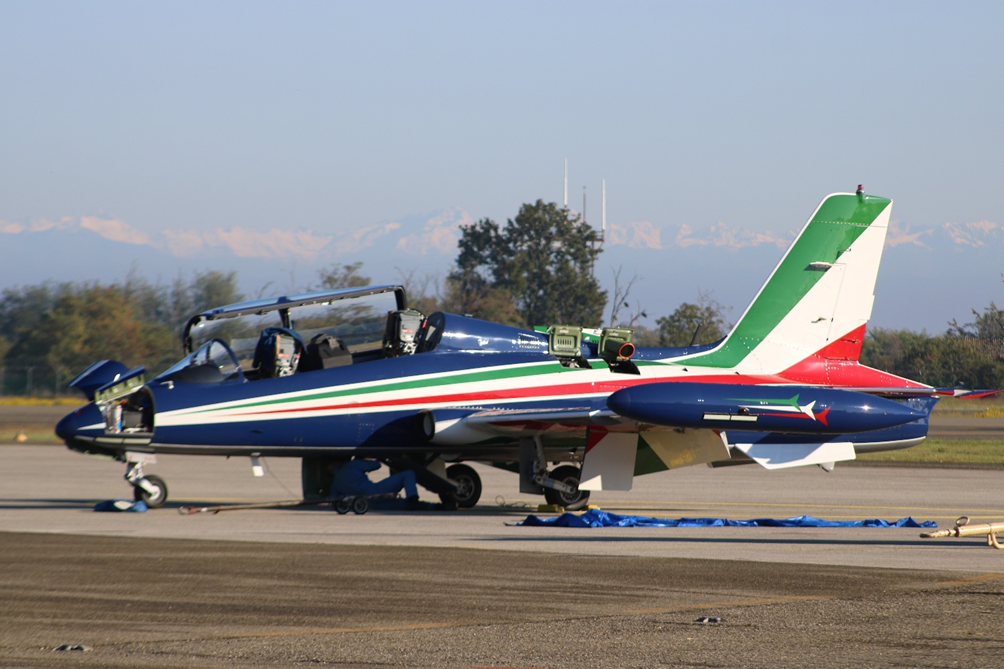
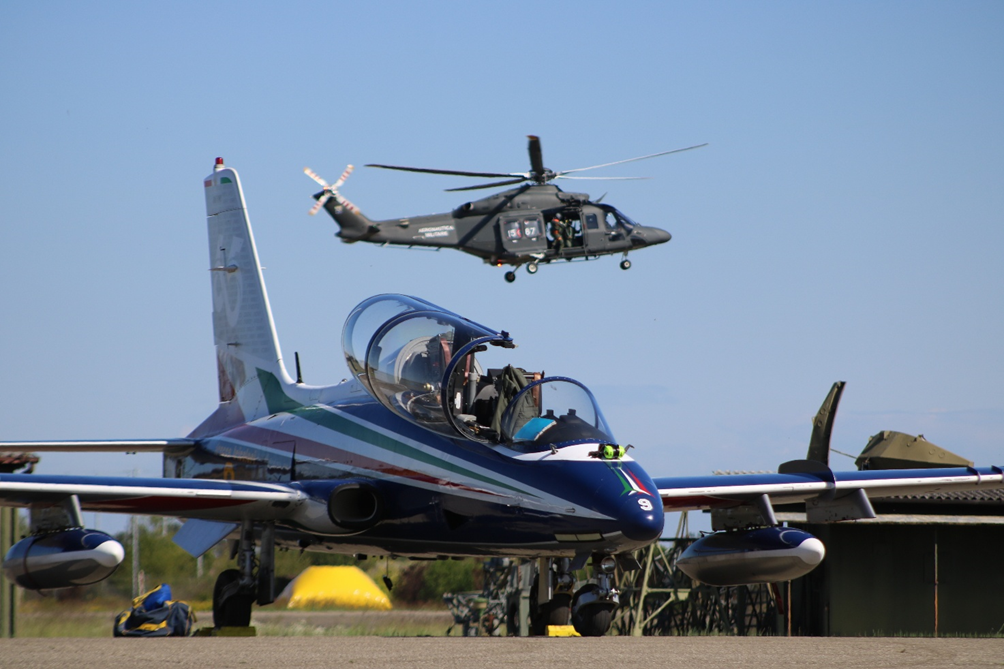
  • MB339 di scorta
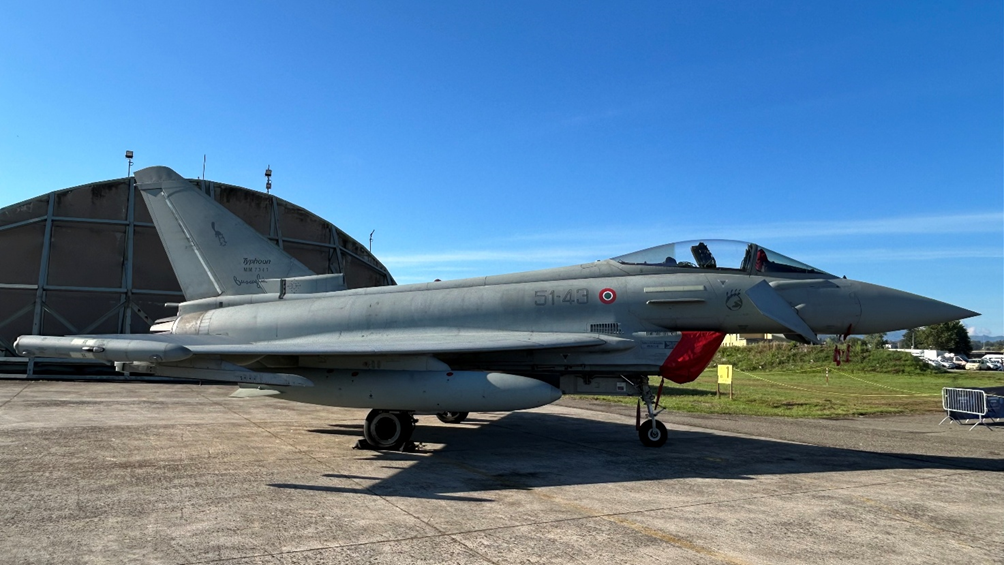
  • EF2000 del 51 stormo
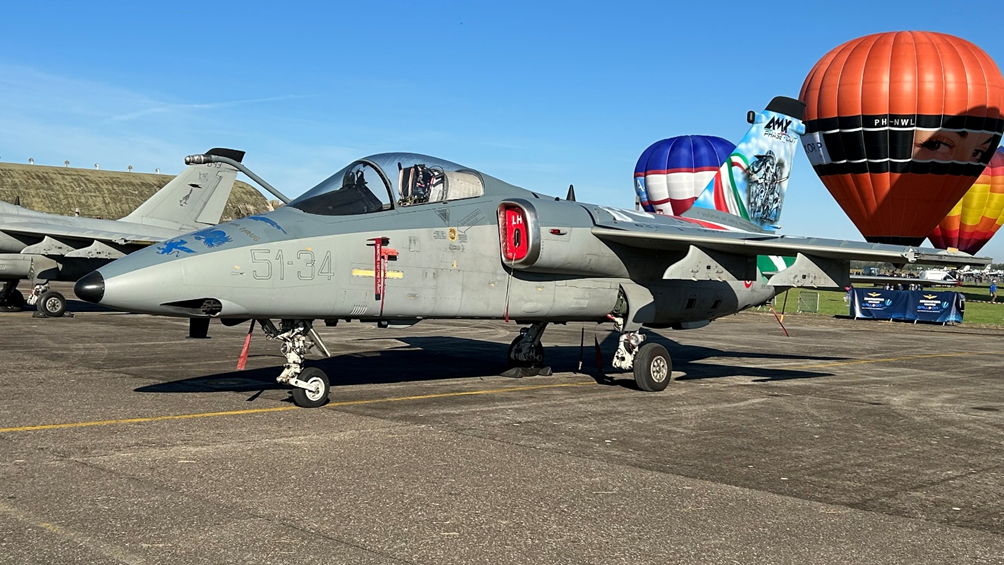
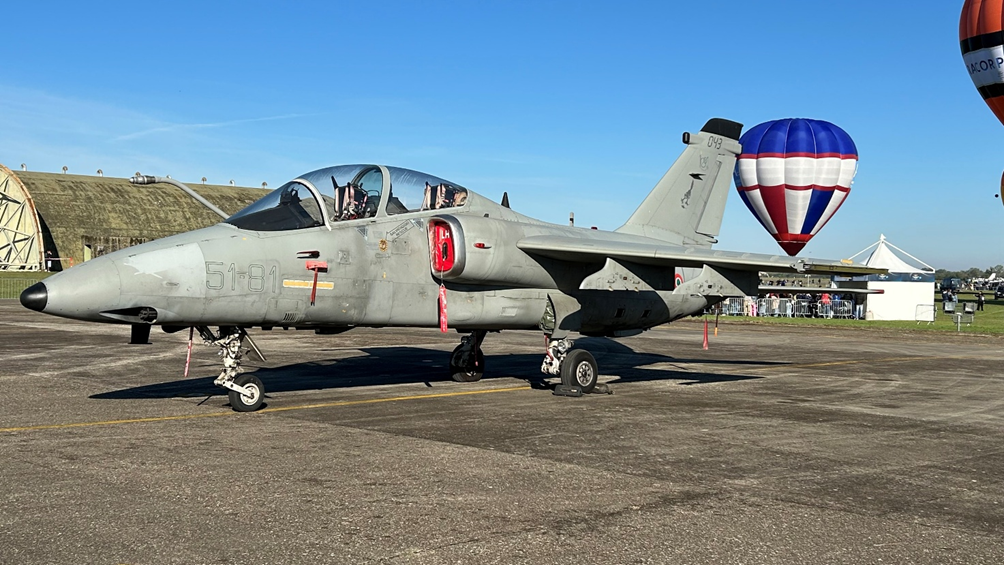
  • 2 AMX,trasferiti alla base di Piacenza
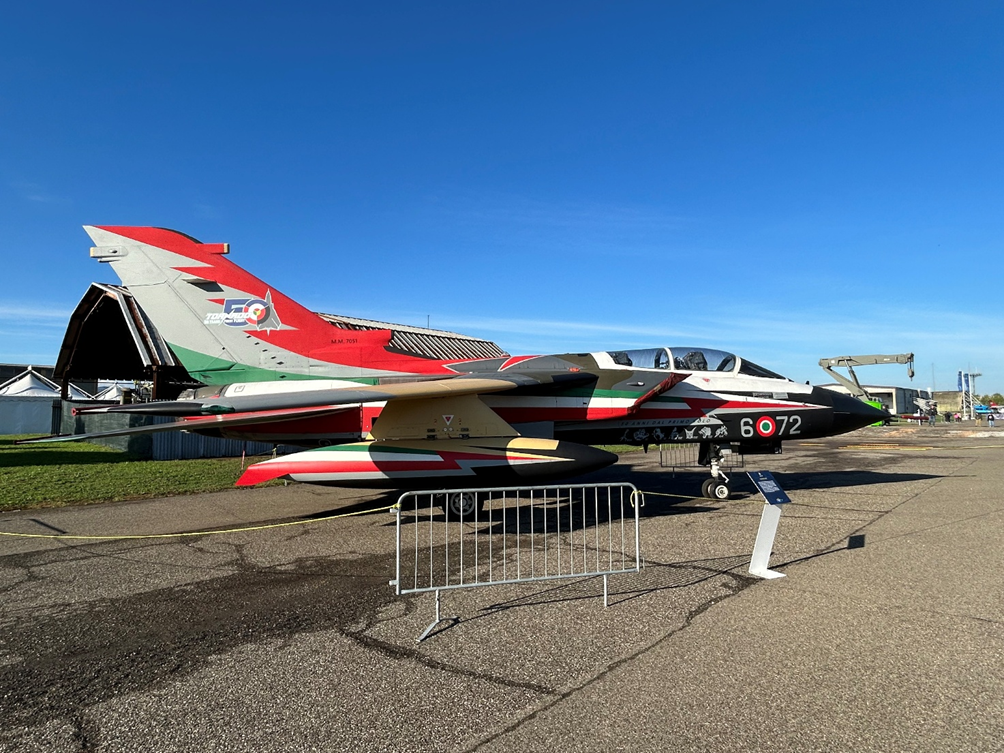
  • Tornado, trasferito alla base di Piacenza


Le presentazioni in volo sono state:

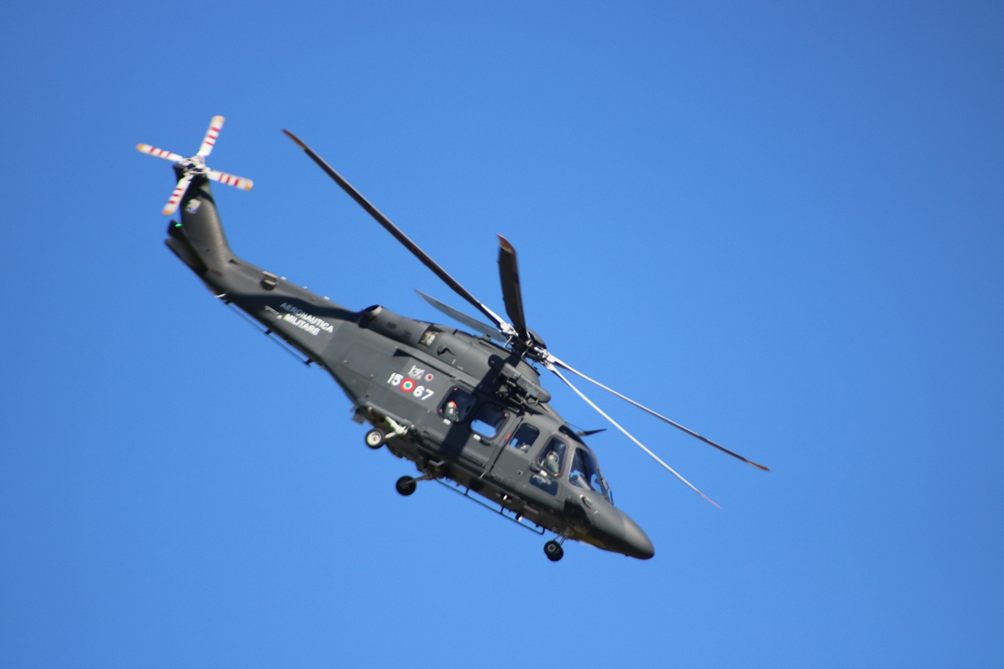
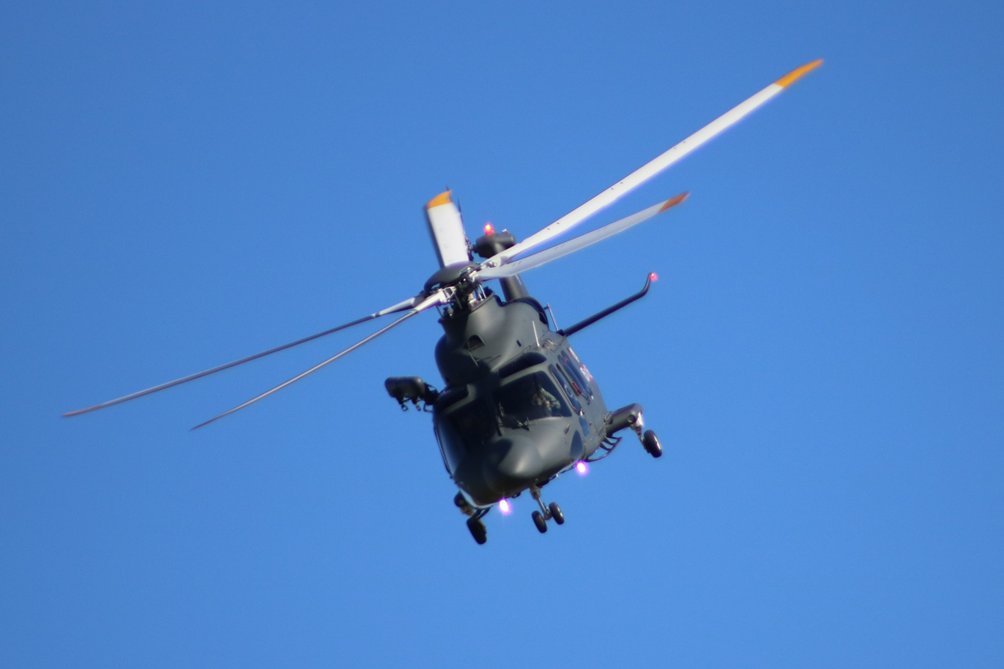
  • HH139 del 15stormo, con una simulazione di intervento di recupero
  • Caproni Ca.3 e SPAD XIII della Fondazione Jonathan Collection
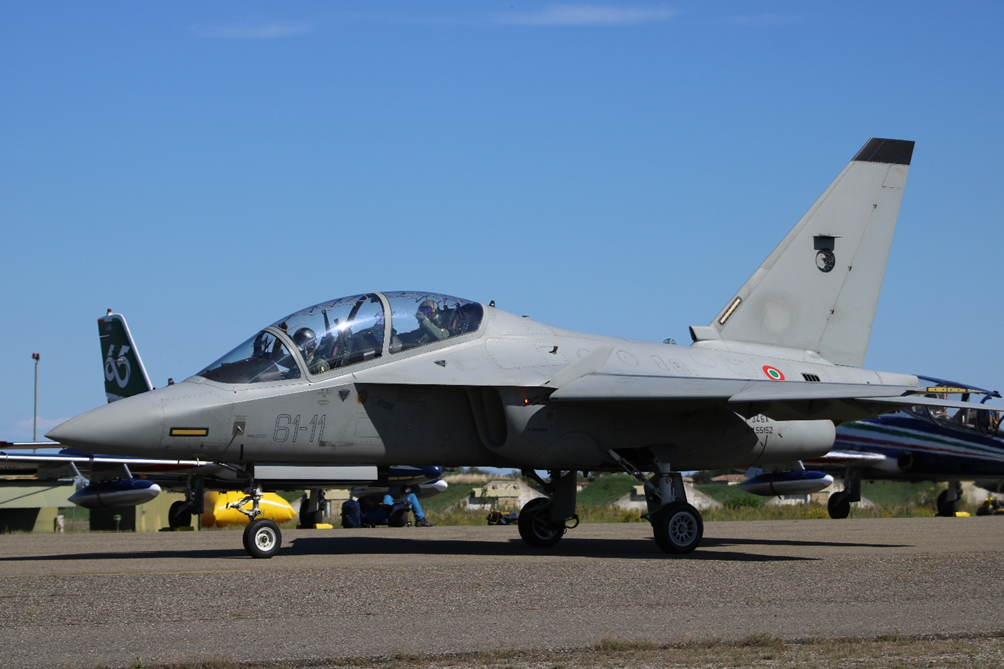
  • T346 del 61 stormo, che vola con la formazione Legend


  • MB339 del 61 stormo, che vola con la formazione Legend
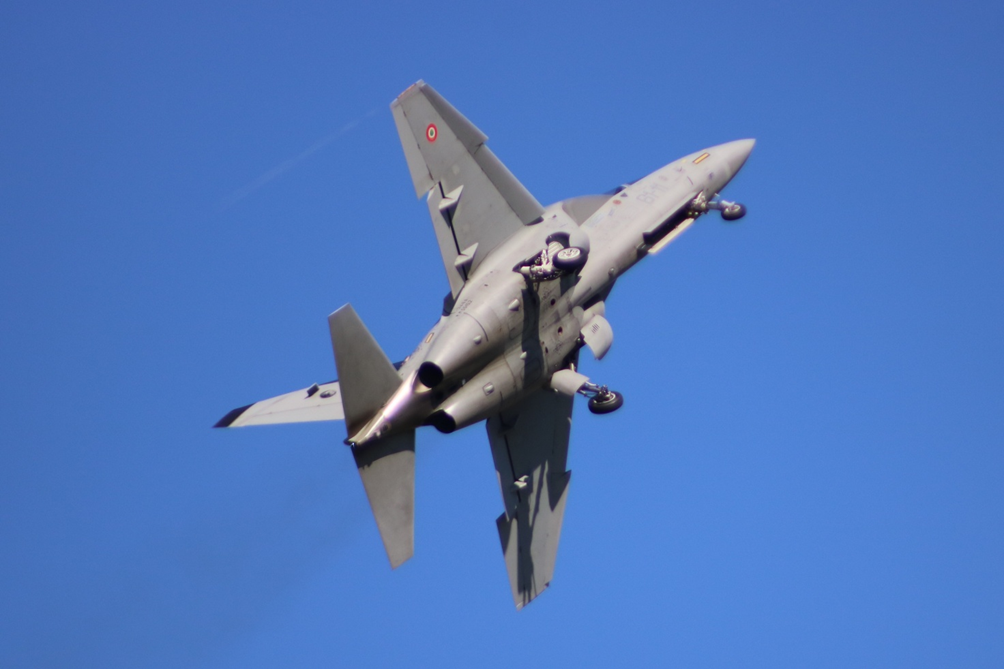
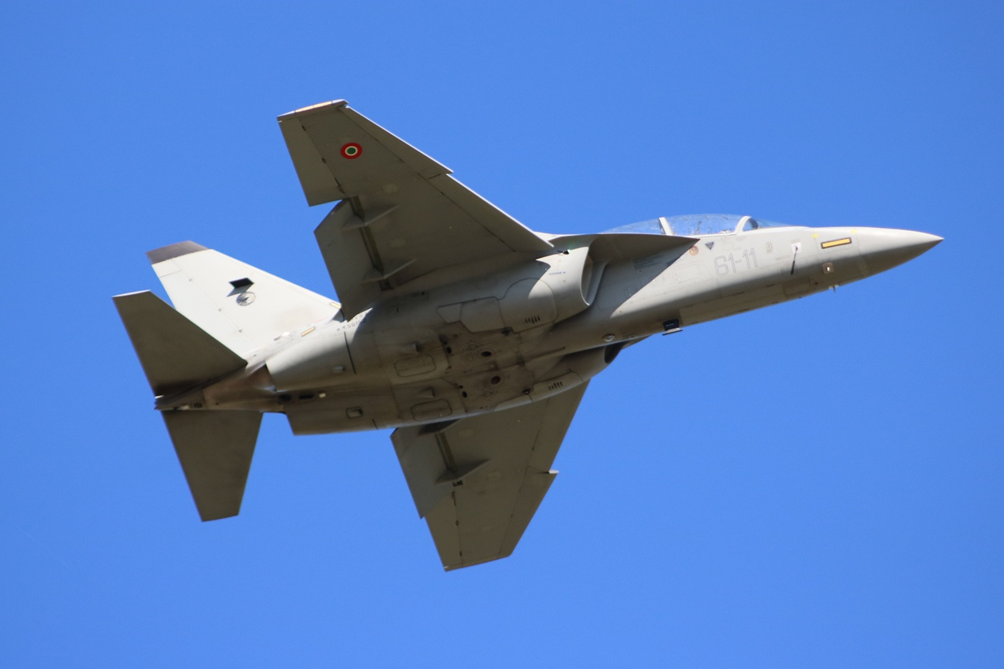
  • T345 del 61 stormo

  • MB326 della formazione Legend


  • Formazione Legend al completo
  • G91 PAN


Piacenza San Damiano airport hosted in September 2025 the Air Show within the second edition of the  Aeronautica Militare Balloon Cup.

The military statics included MB339 PAN, G91 PAN, Caproni Ca.3, MB326, EF2000, AMX, Tornado.

Air demonstrations were performed by HH139, Ca3 with SPAD XIII, G91 PAN, T346 and T345 with Formazione Legend

Frecce Tricolori were the special guests of this air show; their performance is reported in part 2.


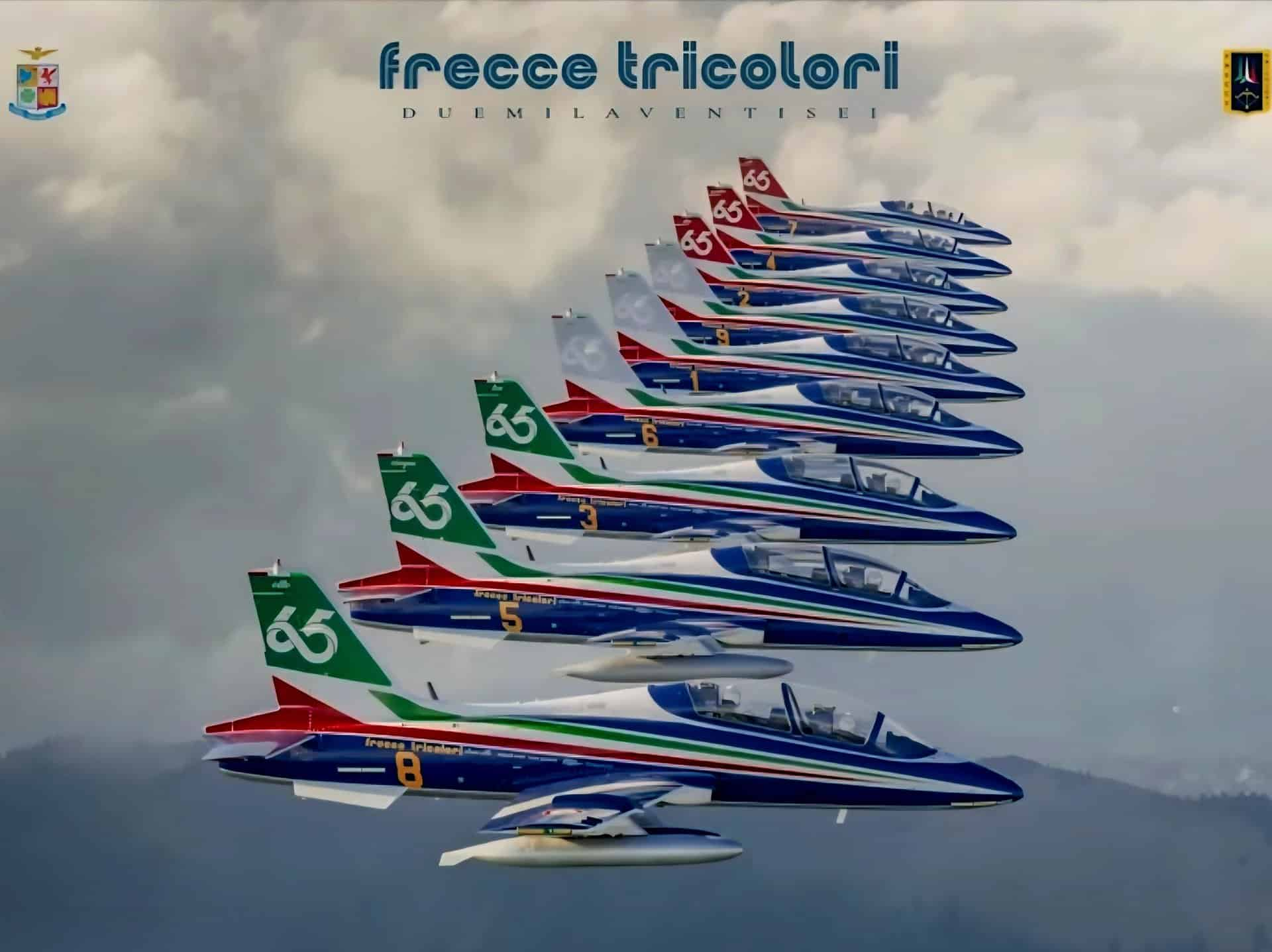
Frecce Tricolori: presentata la nuova formazione e il poster per la Stagione 2026

21 dicembre 2025
Poster della Pattuglia Acrobatica Nazionale per il 2026, presentante gli MB-339PAN con livrea commemorativa del 65° anniversario.

(rif. aeronautica.difesa.it)

Il Tenente Colonnello Franco Paolo Marocco ha presentato, nella suggestiva cornice dell’hangar PAN, la Formazione e il Poster per la Stagione 2026 della Pattuglia Acrobatica Nazionale

Giovedì 18 dicembre, nello storico hangar delle Frecce Tricolori a Rivolto, si è svolta la tradizionale presentazione della nuova Formazione e del Poster della Pattuglia Acrobatica Nazionale per l’anno 2026.

L’evento, appuntamento ormai consolidato per la PAN, presieduto dal Generale di Divisione Aerea Marco Lant, Comandante delle Forze da Combattimento dell’Aeronautica Militare, ha rappresentato un’importante occasione di incontro con le realtà locali, i Club Frecce Tricolori, familiari e appassionati.

Nel corso della serata, il Tenente Colonnello Franco Paolo Marocco, Comandante del 313° Gruppo Addestramento Acrobatico, ha presentato la nuova formazione per l’anno 2026.

Per il 2026 la Pattuglia Acrobatica Nazionale conferma i propri punti di riferimento e presenta un aggiornamento della formazione: restano invariati i ruoli di Pony 1 (Capo Formazione) al Maggiore Pierluigi Raspa e di Pony 10 (Solista) al Maggiore Federico De Cecco, mentre tra i gregari si avrà un nuovo assetto con il Maggiore Alessandro Sommariva nella posizione di Pony 2, Maggiore Leonardo Leo Pony 3, Capitano Luca Pozzani Pony 4, Maggiore Giovanni Morello Pony 5, Capitano Emanuele Bernuzzi Pony 7 e Maggiore Oscar Del Dò Pony 9; confermato anche il Maggiore Simone Fanfarillo come Pony 6 (primo fanalino). A completare la formazione, la novità più attesa: l’ingresso del Capitano Tommaso Calogeri, proveniente dal 6° Stormo di Ghedi, che assume la posizione di Pony 8 (terzo gregario destro).

La serata è proseguita con la presentazione del poster 2026 delle Frecce Tricolori, che ritrae gli MB-339PAN con la livrea commemorativa sviluppata per il 65° anniversario della PAN, celebrato a settembre 2025.

La prima copia del poster è stata simbolicamente consegnata al Comandante Alberto Moretti, ex Comandante della PAN, a testimonianza del forte legame della Pattuglia di oggi con chi ha contribuito a scrivere la storia del Reparto e dell’Arma Azzurra.

Un importante momento dell’evento è stato dedicato alla beneficenza, con il supporto alle iniziative dell’associazione “Il Filo di Simo” e al progetto sostenuto dall’intera Aeronautica Militare “Un dono dal cielo”, grazie anche alla preziosa partecipazione dei Club Frecce Tricolori.

L’evento ha rappresentato un significativo momento di condivisione per la Pattuglia Acrobatica Nazionale, celebrando la sua tradizione e il legame con il pubblico, mentre si prepara a vivere una nuova stagione di emozionanti performance acrobatiche.

Di seguito la formazione 2026 nel dettaglio:

Pony 0 – Tenente Colonnello Franco Paolo Marocco;

Pony 1 – Maggiore Pierluigi Raspa;

Pony 2 – Maggiore Alessandro Sommariva;

Pony 3 – Maggiore Leonardo Leo;

Pony 4 – Capitano Luca Pozzani;

Pony 5 – Maggiore Giovanni Morello;

Pony 6 – Maggiore Simone Fanfarillo;

Pony 7 – Capitano Emanuele Bernuzzi;

Pony 8 – Capitano Tommaso Calogeri;

Pony 9 –Maggiore Oscar Del Dò;

Pony 10 – Maggiore Federico De Cecco.

Il 313° Gruppo Addestramento Acrobatico, questa la denominazione ufficiale delle Frecce Tricolori, è un Reparto di Volo dell’Aeronautica Militare costituito da circa 100 militari, cui è affidato il compito di rappresentare le capacità dell’intera Forza Armata.

Dal 1° marzo 1961, data della sua costituzione sulla Base Aerea di Rivolto (UD), la Pattuglia Acrobatica Nazionale, che di recente ha concluso la sua 65^ stagione, ha l’onore di rappresentare, con le proprie spettacolari acrobazie aeree, gli oltre 40.000 uomini e donne dell’Aeronautica Militare e i valori che ogni giorno portano avanti: coesione, spirito di squadra, professionalità, dedizione e sacrificio. Ciò la rende un simbolo delle nostre Forze Armate e dell’Italia nel mondo.


Falcon Strike 2025

19 novembre 2025

(Foto e testo by Angelo Bottazzi)

Il 3 novembre è iniziata presso la base di Amendola la Falcon Strike 2025, che rappresenta il più importante evento addestrativo dell’Aeronautica Militare dell’anno.

L’esercitazione, che avrà termine il 14 novembre, ha come base principale di rischieramento il 32° Stormo ma coinvolge altre basi dell’Aeronautica Militare con l’arrivo di piloti, specialisti, velivoli di altri reparti di volo italiani e stranieri.

Oltre 1000 militari e oltre 50 assetti di Italia, Stati Uniti, Regno Unito, Francia e Grecia, si addestreranno fianco a fianco per migliorare la prontezza operativa e la capacità di cooperare in missioni multinazionali. All’esercitazione oltre ad assetti aerei, verranno impiegate unità terrestri e navali del Ministero della Difesa, e in particolare dell’Aeronautica Militare con anche assetti e personale della Marina Militare.

Le attività esercitative come la Falcon Strike 2025 rappresentano un’opportunità per addestrare il personale al fine di consentire la prontezza nelle esigenze nazionali alla luce degli attuali impegni dell’Aeronautica Militare sia in campo nazionale che nei Teatri Operativi all’estero, con scenari internazionali mutevoli e sempre più complessi.

Così recita il post dell’aeronautica di introduzione alla esercitazione in corso.

Ovviamente non potevamo mancare un evento di questa portata e decidiamo pertanto di partire per Amendola nella notte del 5 per avere tutto il giorno da dedicare alla osservazione dall’esterno delle attività volative, capire il parco volante presente, per poi il giorno successivo partecipare allo Spotter Day, ai cui siamo accreditati, in modo da coprire degnamente l’evento dal punto di vista fotografico per quanto riguarda sia decolli che atterraggi.

Amendola non è una base facile per lo spotting, infatti essendo molto estesa in profondità, dall’esterno non si vede praticamente nulla, alla testata 11 si trova una superstrada piuttosto trafficata e ci sono ostacoli come filari, siepi e cavi elettrici, quindi poco spazio di manovra; mentre sul lato opposto la 29R è situata in una zona di coltivazioni e vigneti, che in questo momento non sono in atto, pertanto l’accessibilità è garantita così come la tranquillità.

Gli atterraggi quindi si riprendono piuttosto facilmente mentre i decolli sono quasi impossibili.

Arriviamo intorno alle 7 del mattino di una giornata strepitosa dal punto di vista meteo, cielo sereno ma piuttosto freddo a causa del vento sostenuto da nord-est, che raggiungerà anche i venti nodi in alcuni momenti.

Con queste condizioni stabili di vento la pista in uso è la 29R e questo ci garantisce che non faremo nemmeno un decollo, perché quando passeranno su di noi saranno già piuttosto alti, ma buone condizioni per gli atterraggi.

E così sarà, i decolli iniziano alle 8.20, partono in sequenza sedici aerei di quattro nazioni: Italia, Grecia, Francia e Stati uniti.

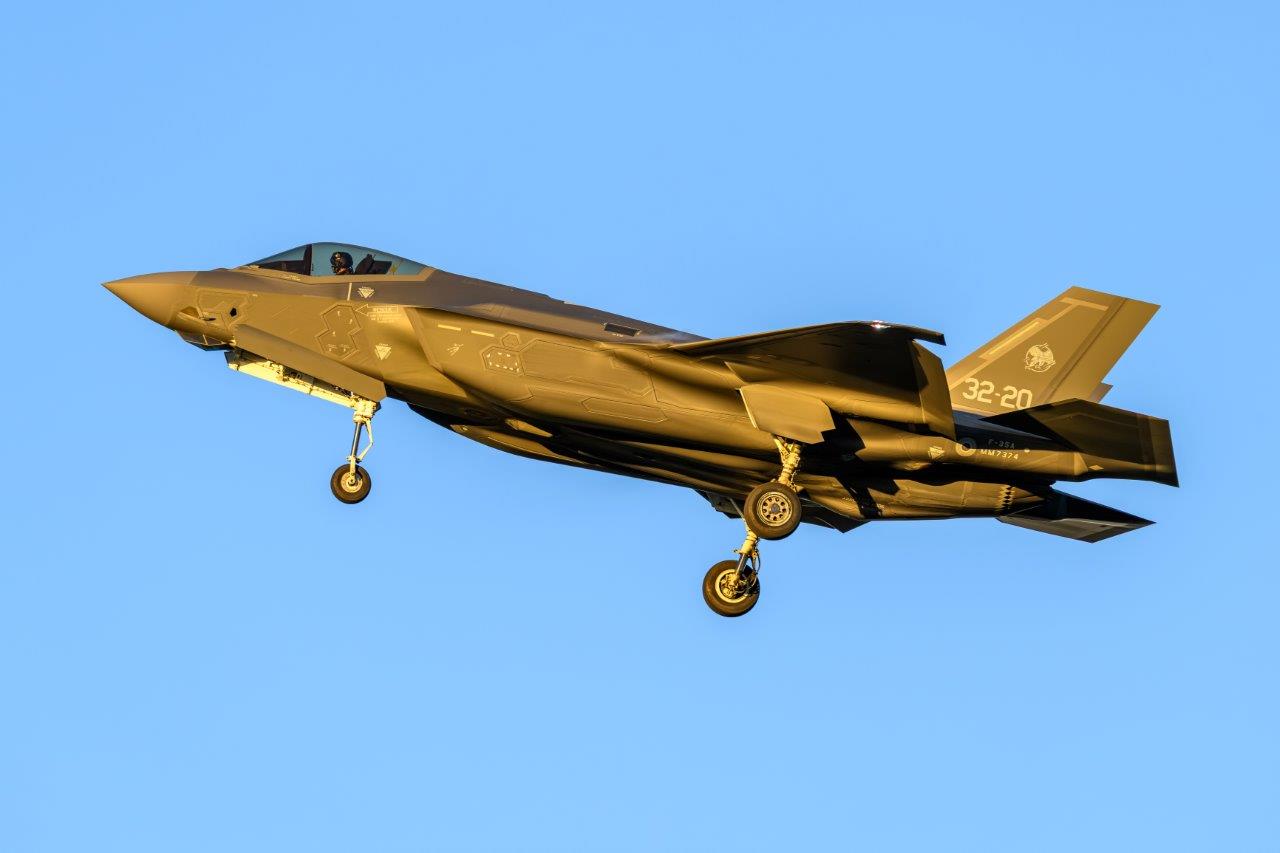
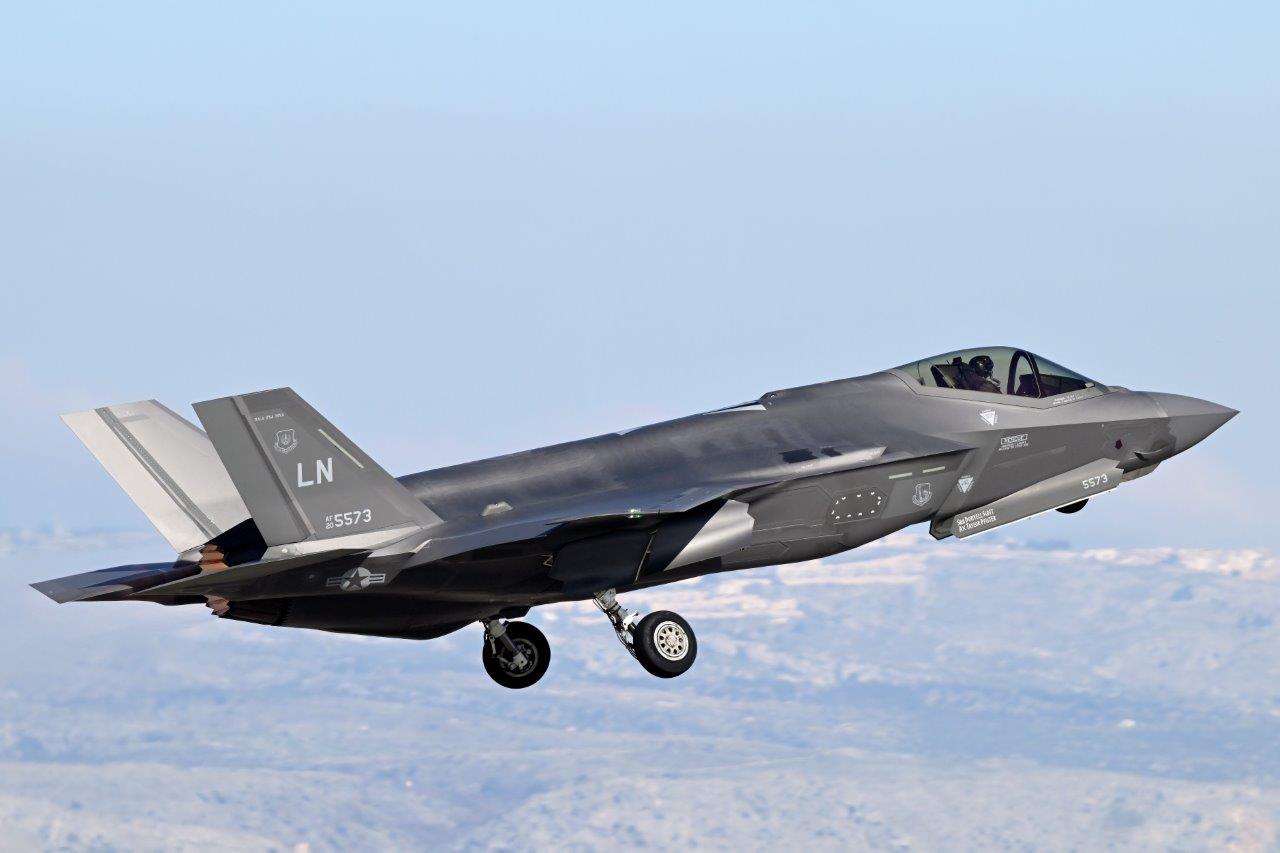
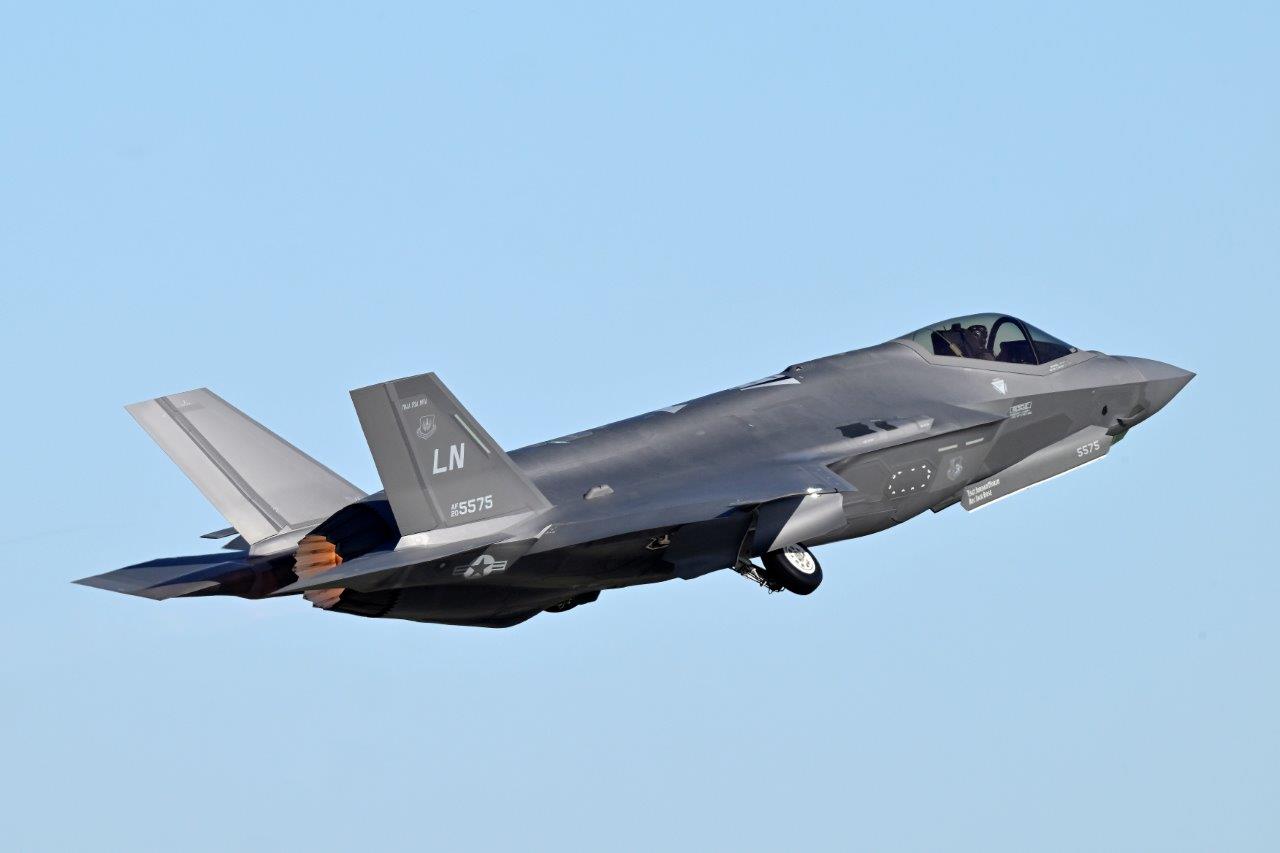
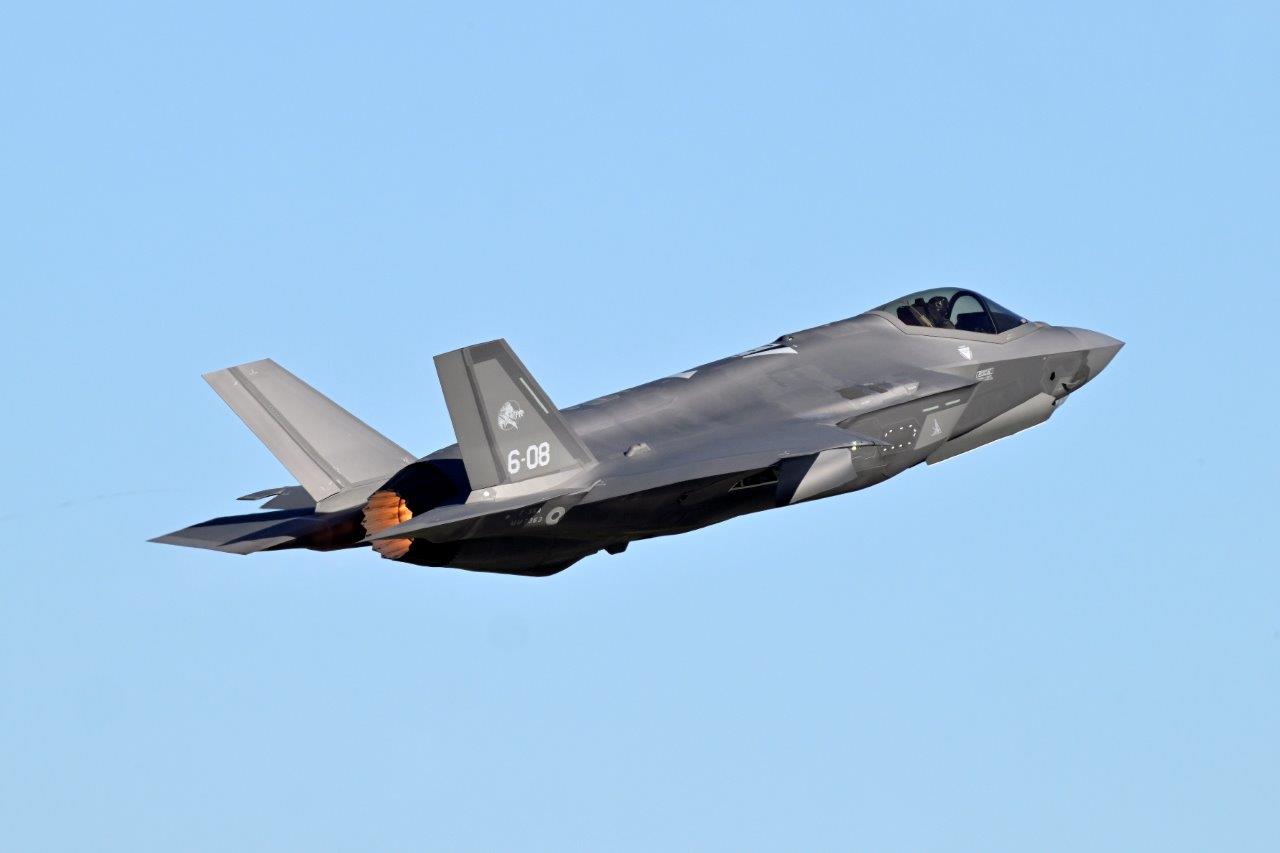
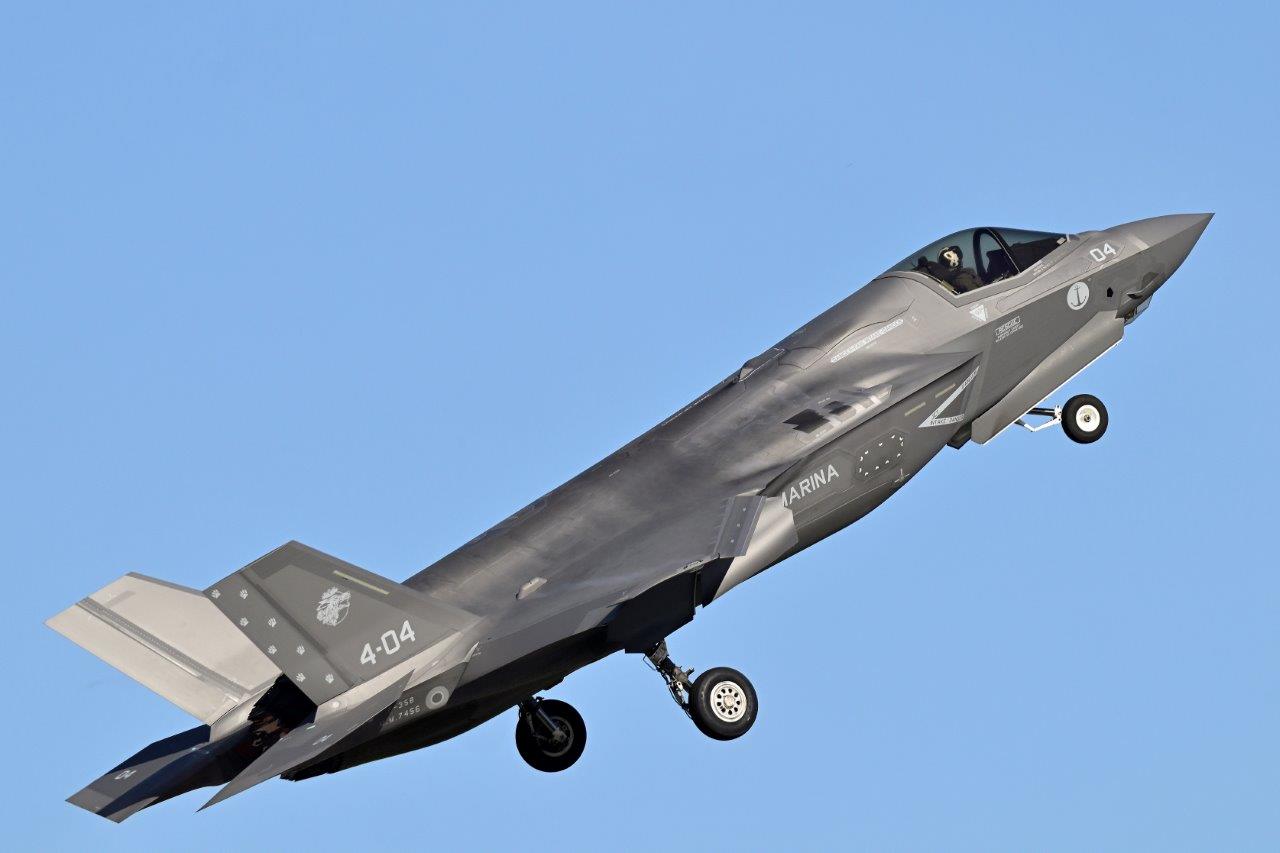
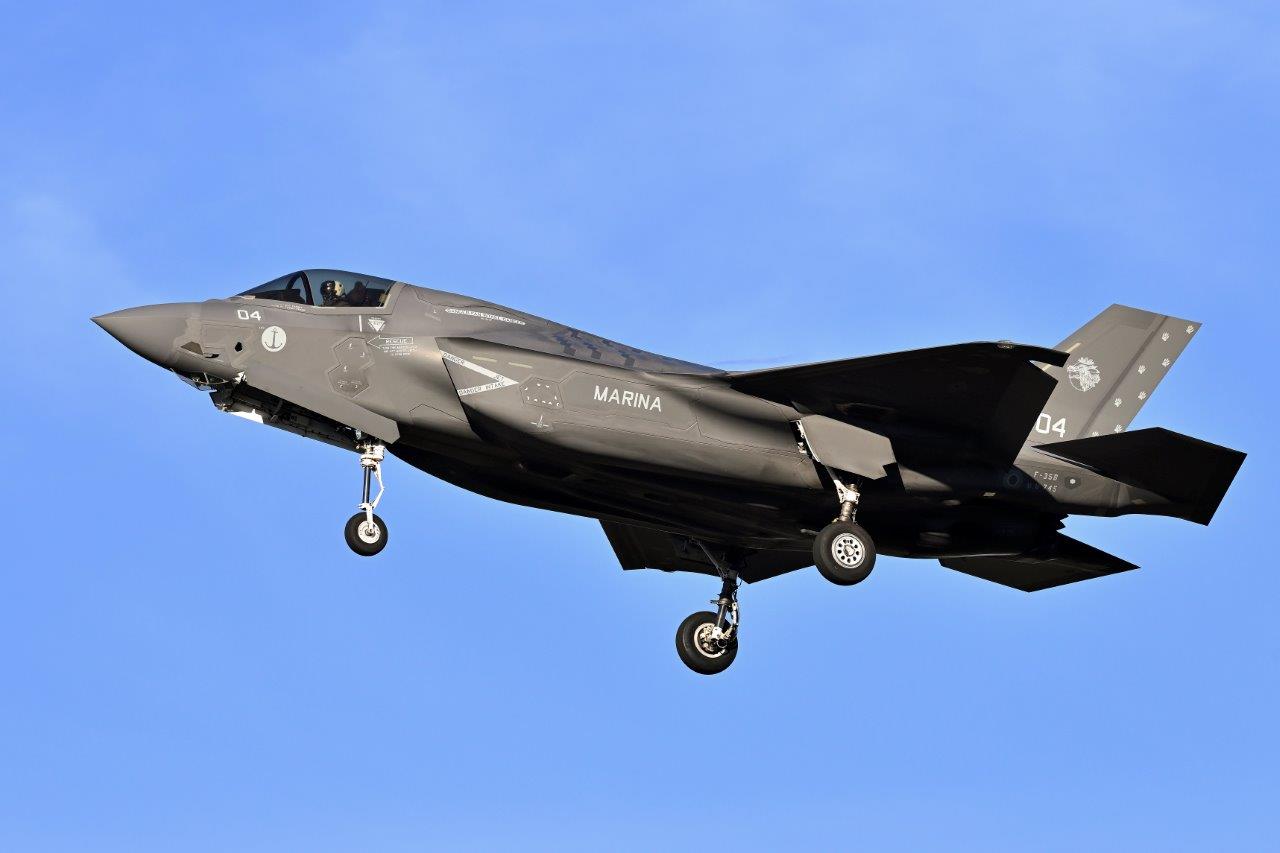
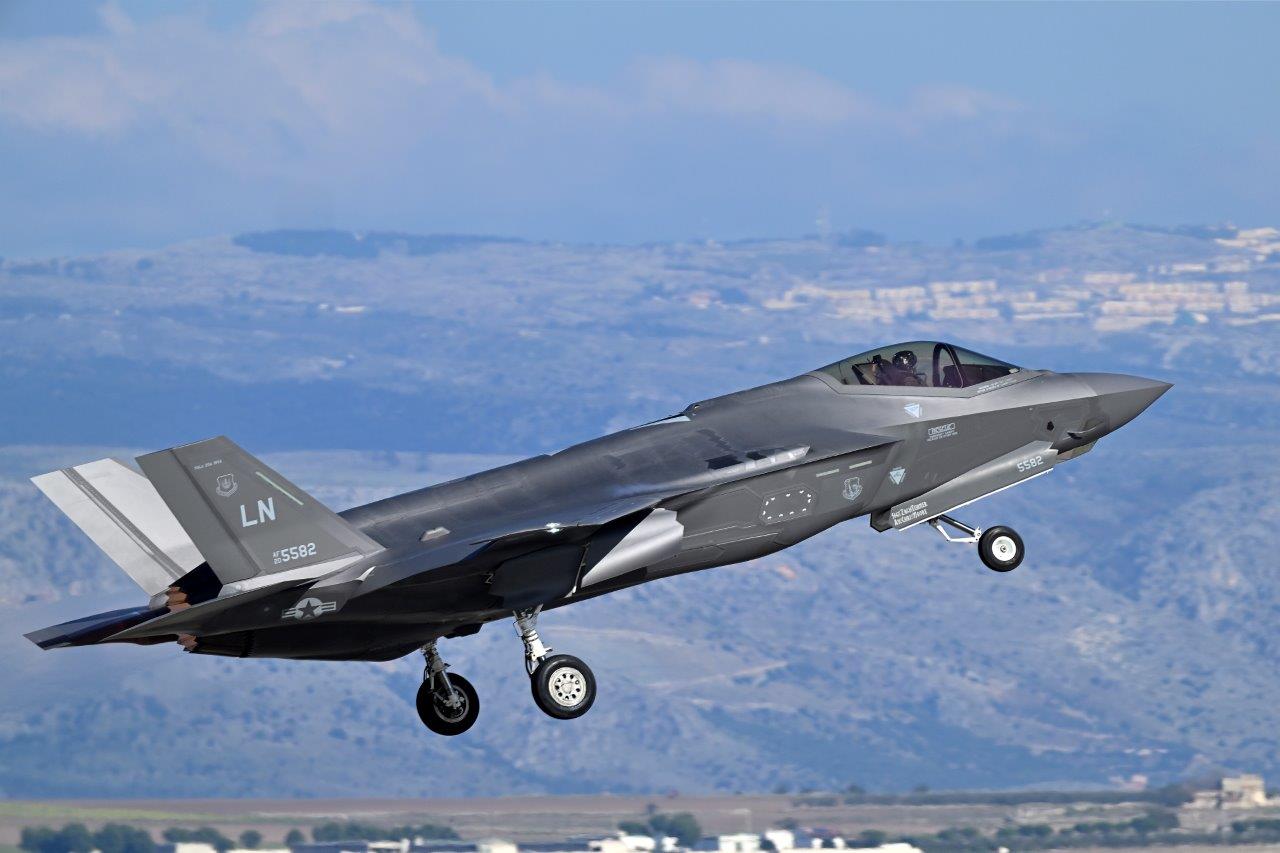
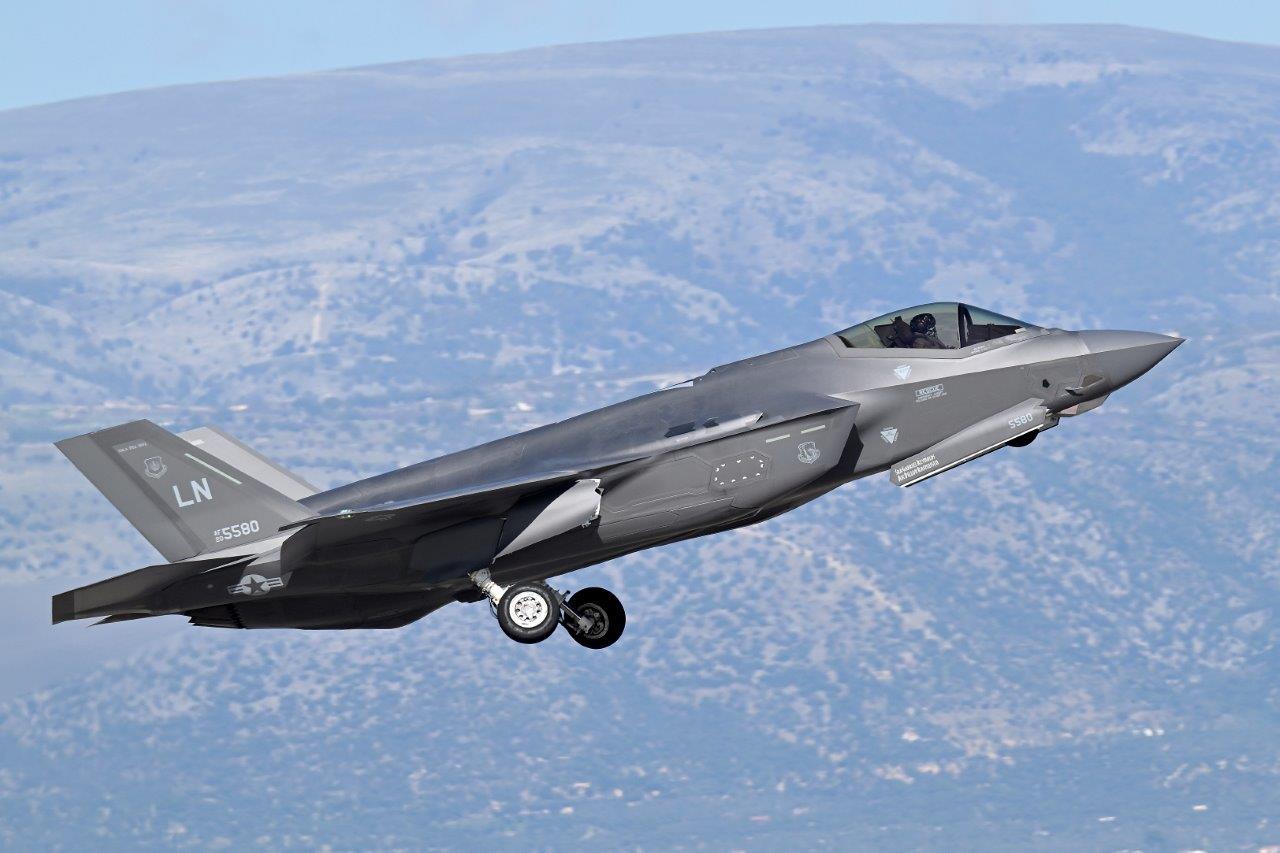
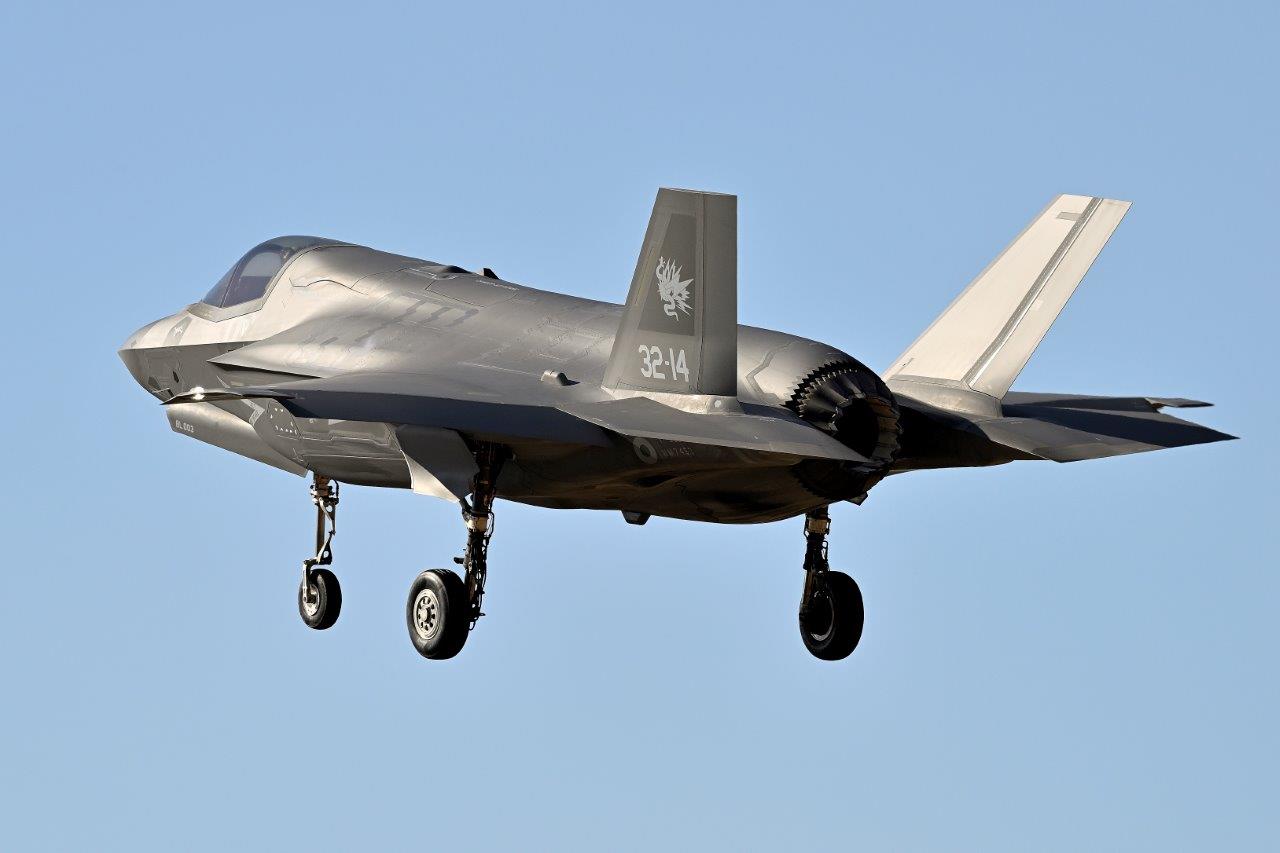
Sulla base è di casa il 32° stormo composto dal 13° gruppo equipaggiato con F35A ed il 101° gruppo con gli F35B. Per l’esercitazione si sono rischierati da Ghedi cinque esemplari di F35A tra Diavoli e Paperi

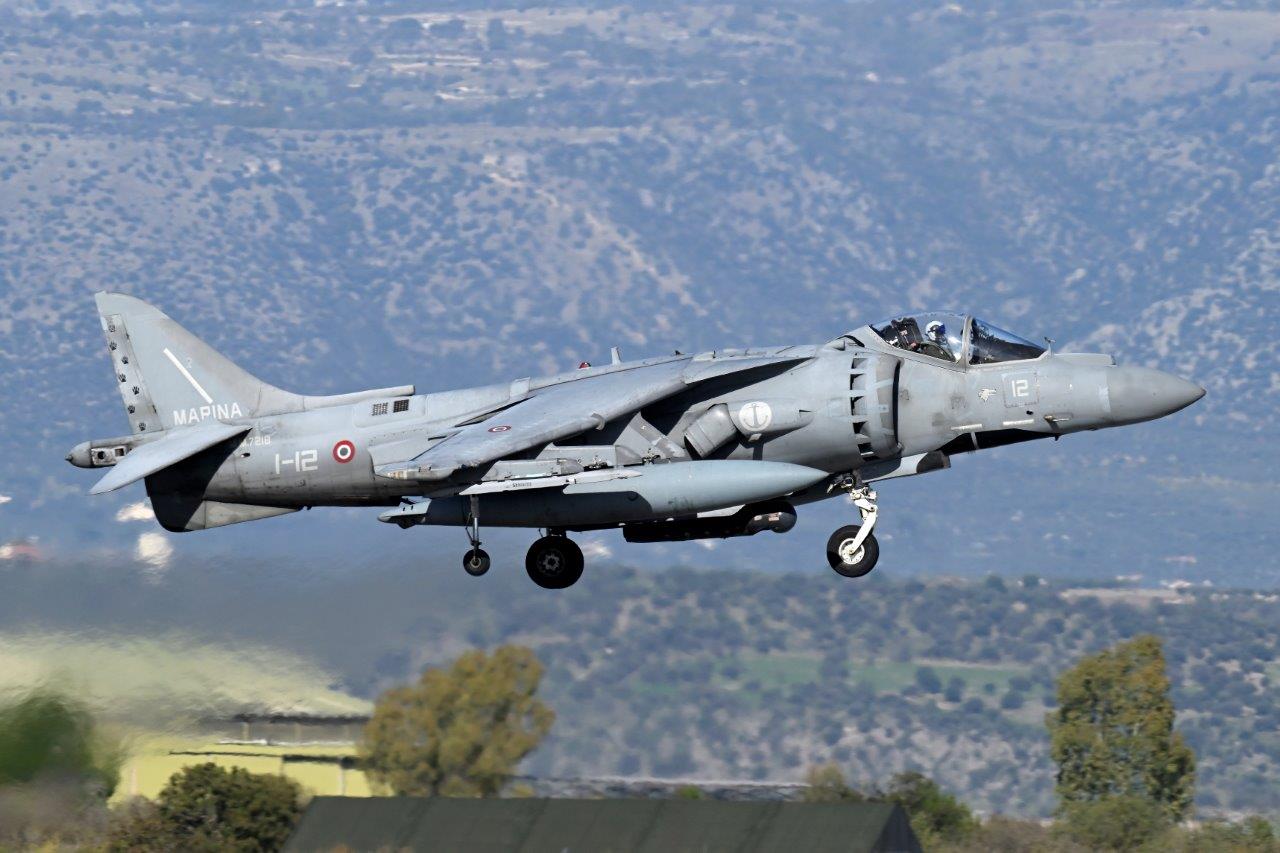
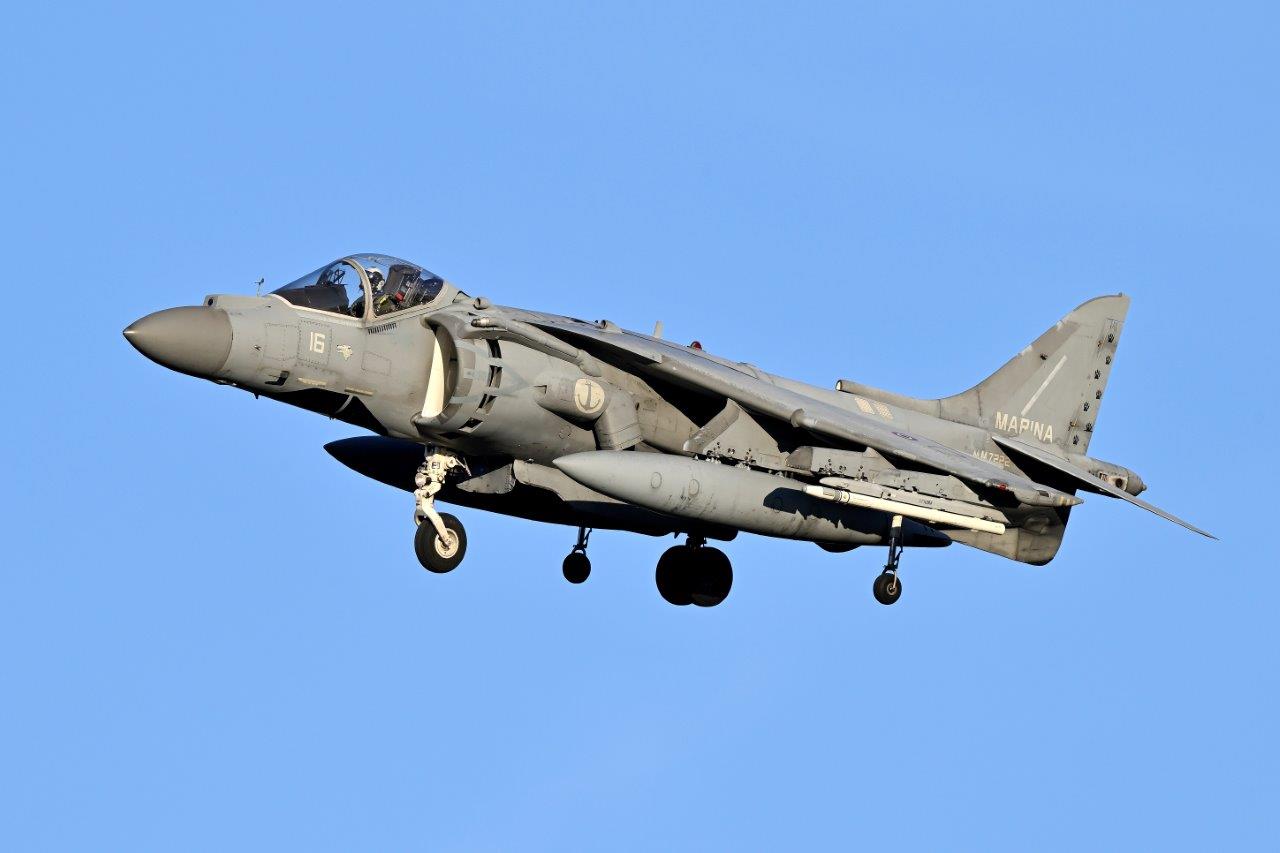
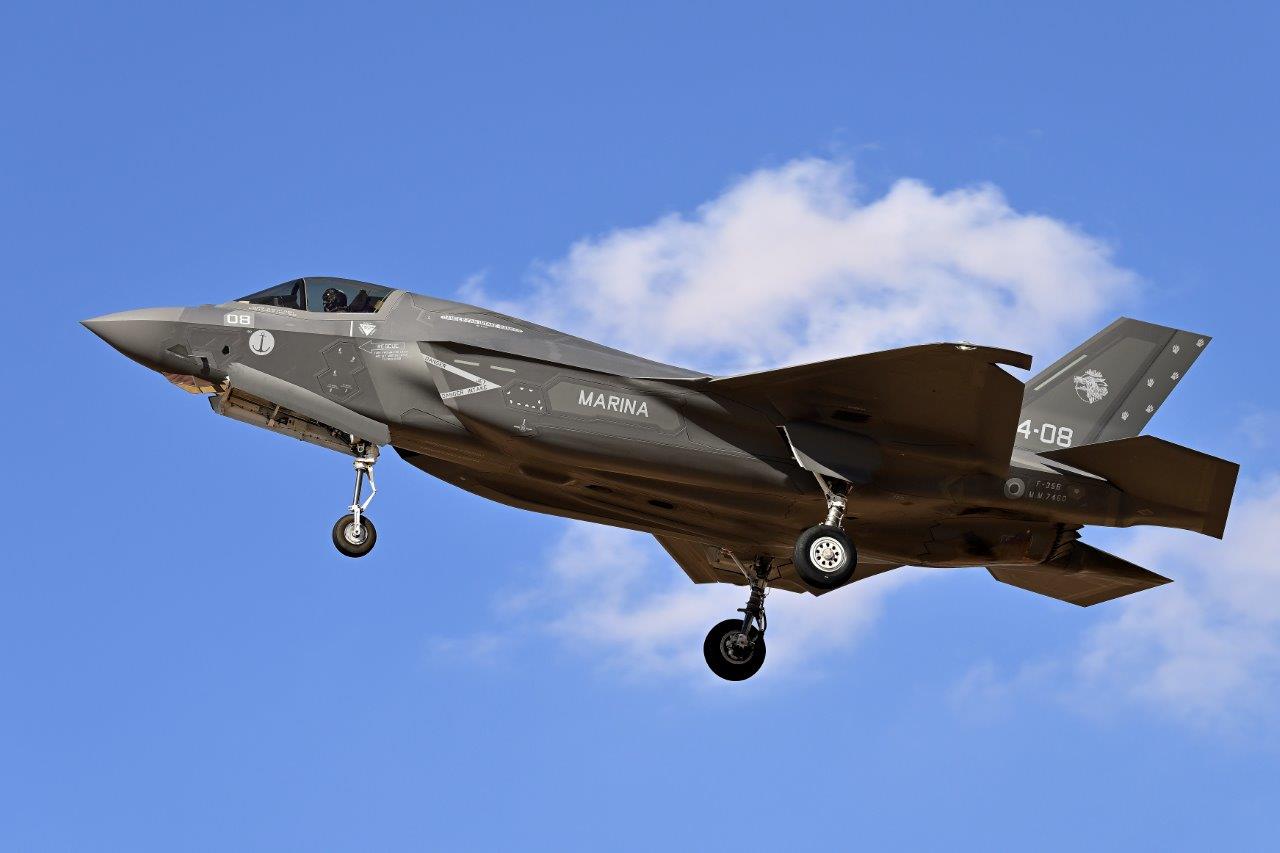
mentre dal Grupaer della Marina militare di Grottaglie sono rischierati quattro F35B e sei AV8B+

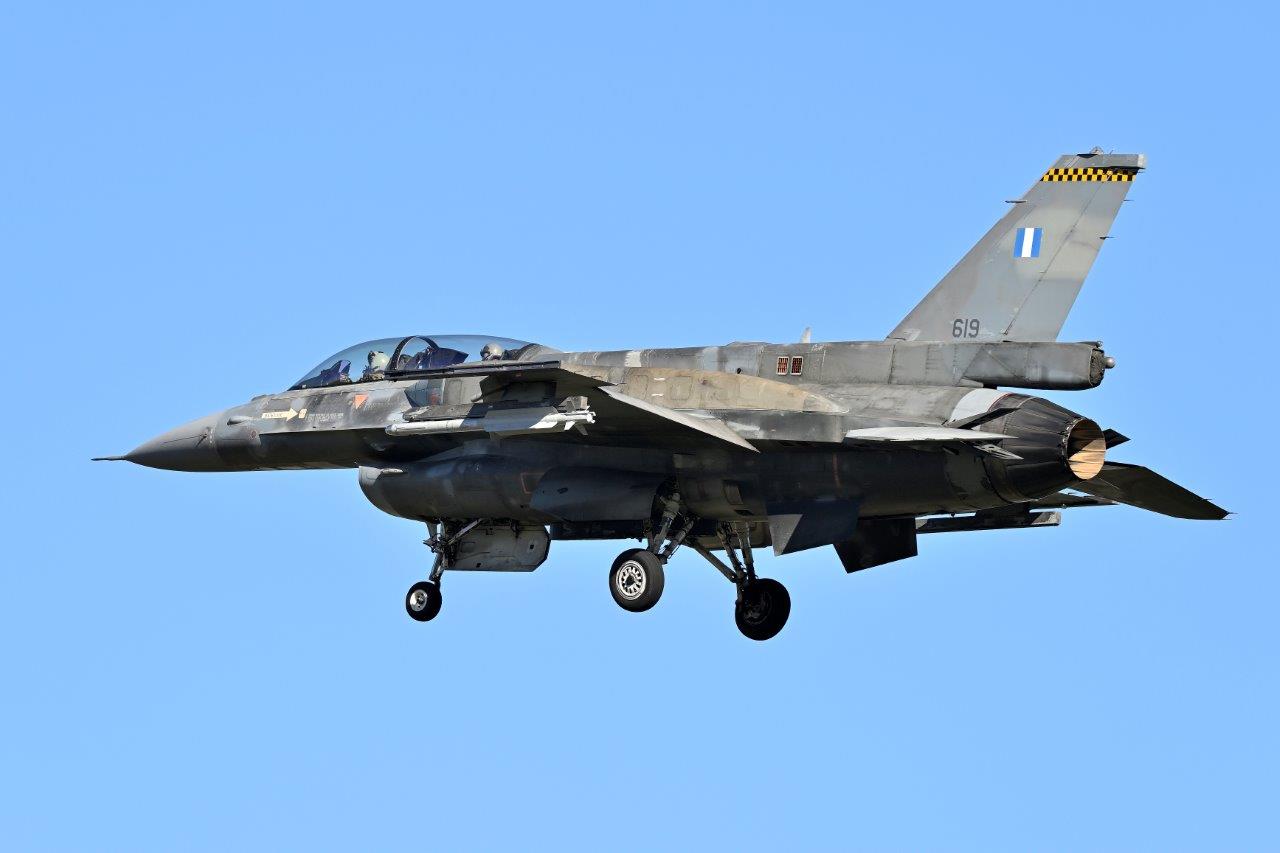
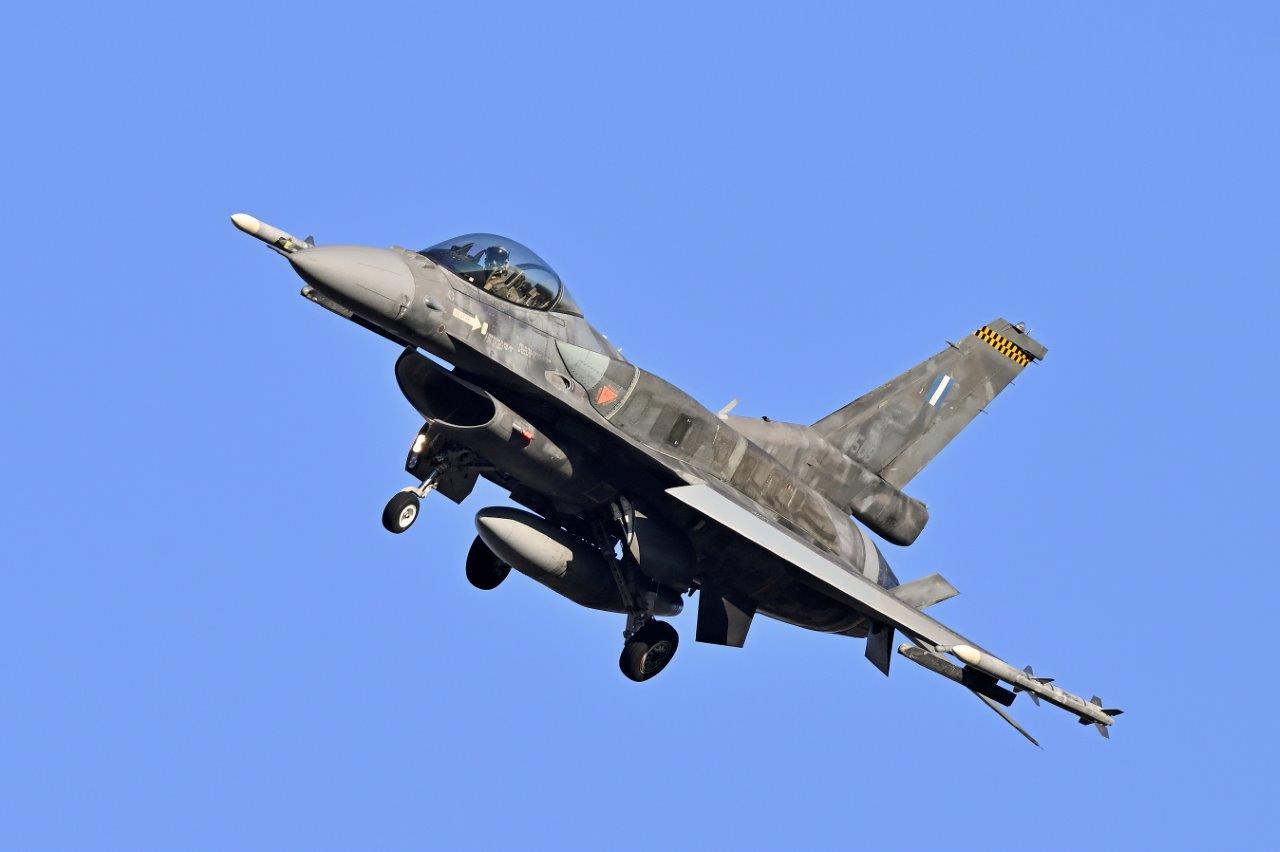
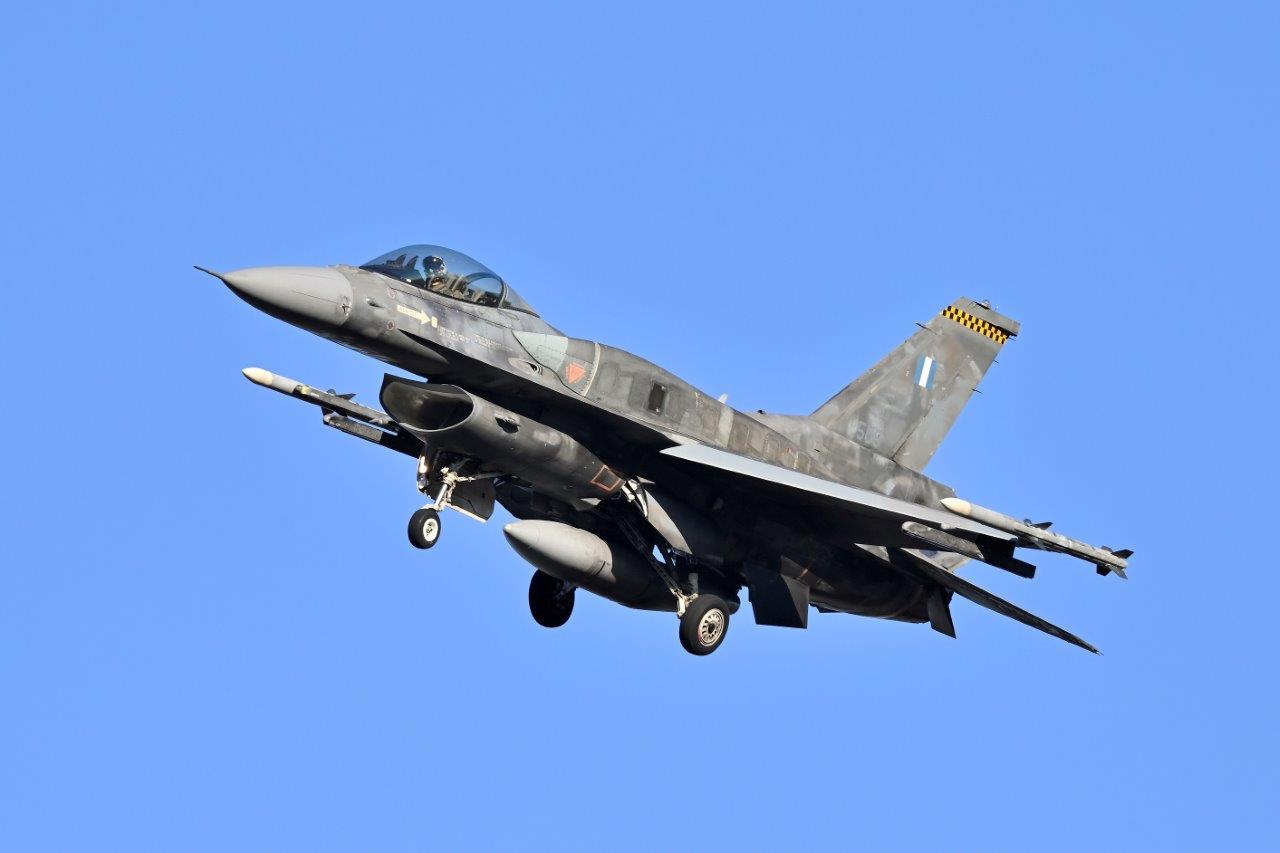
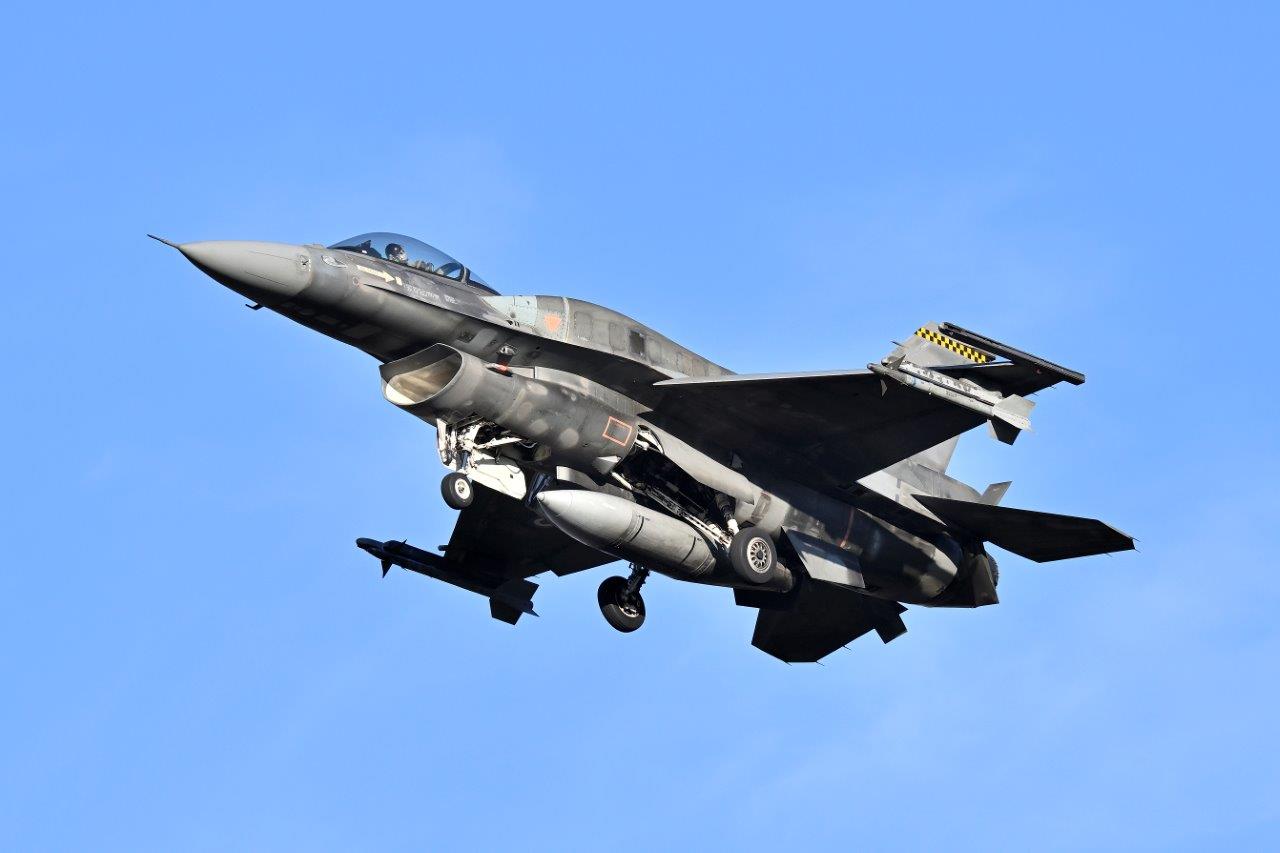
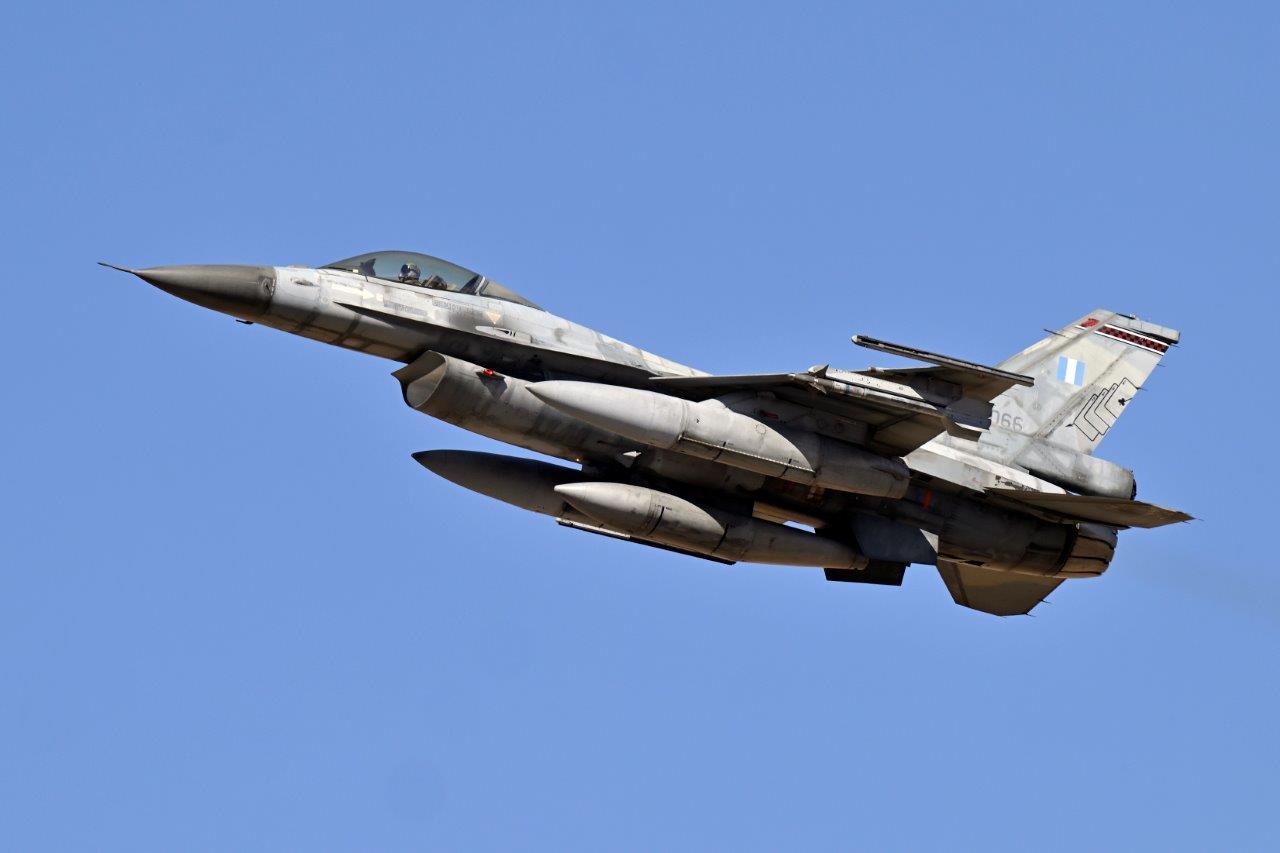
Dalla Grecia sono arrivati cinque F16C, convertiti all’ultima versione V, del 340° Mira Fox di Souda(Creta)

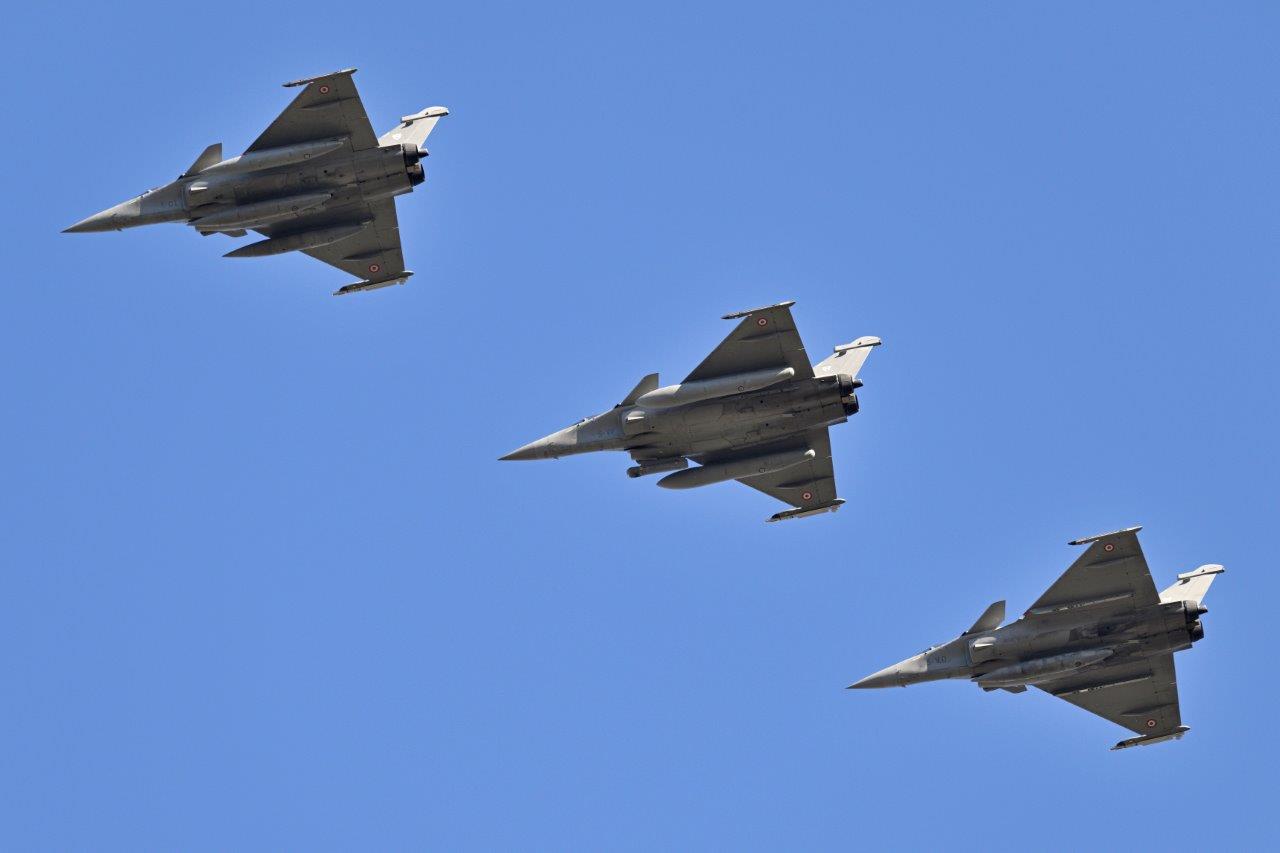
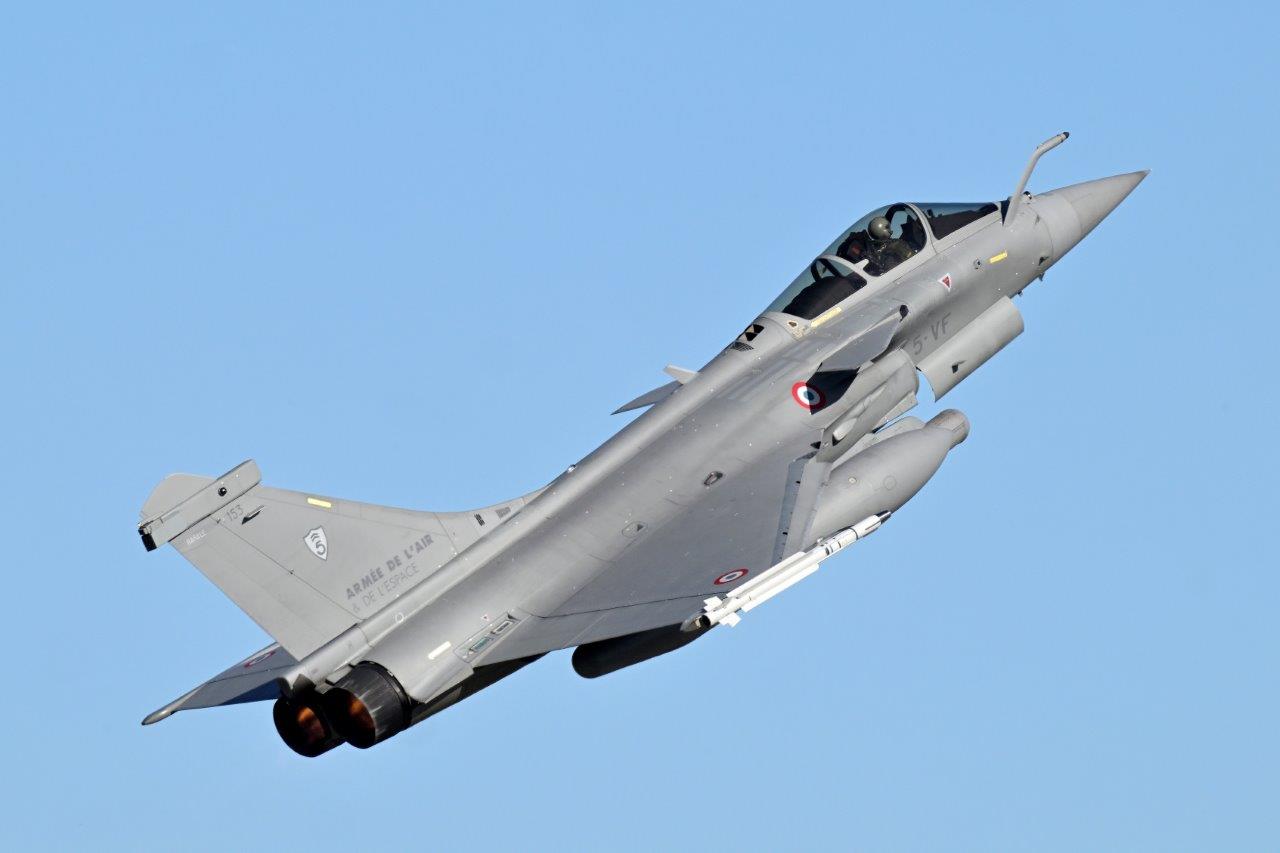
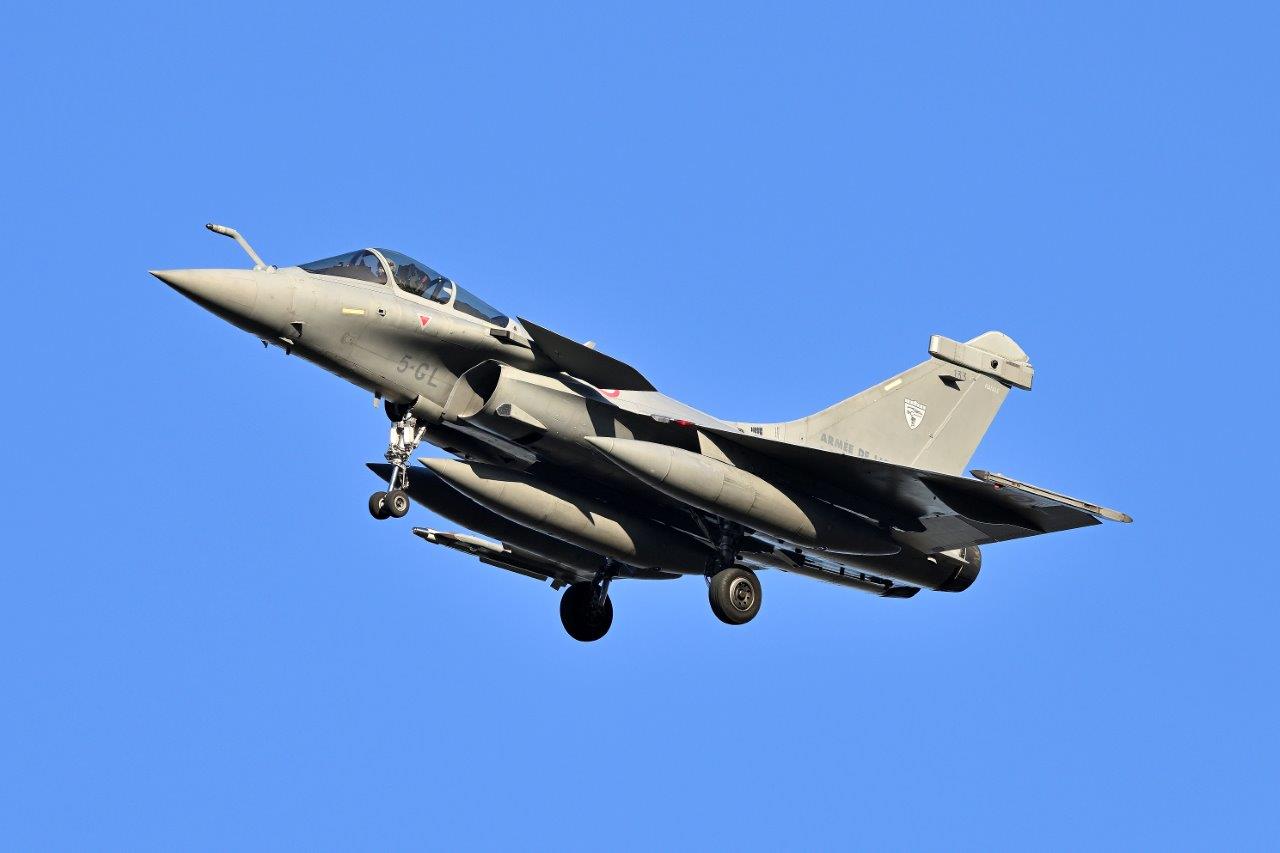
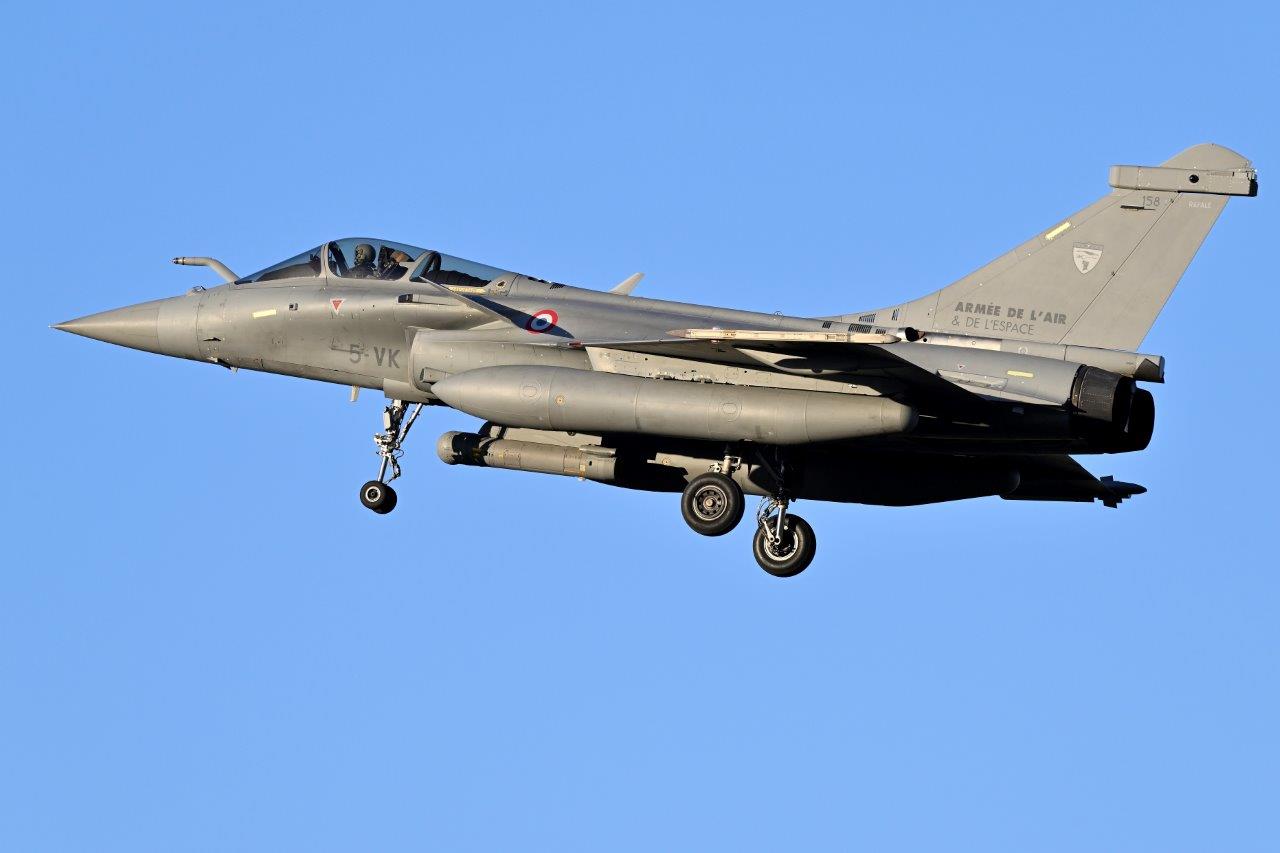
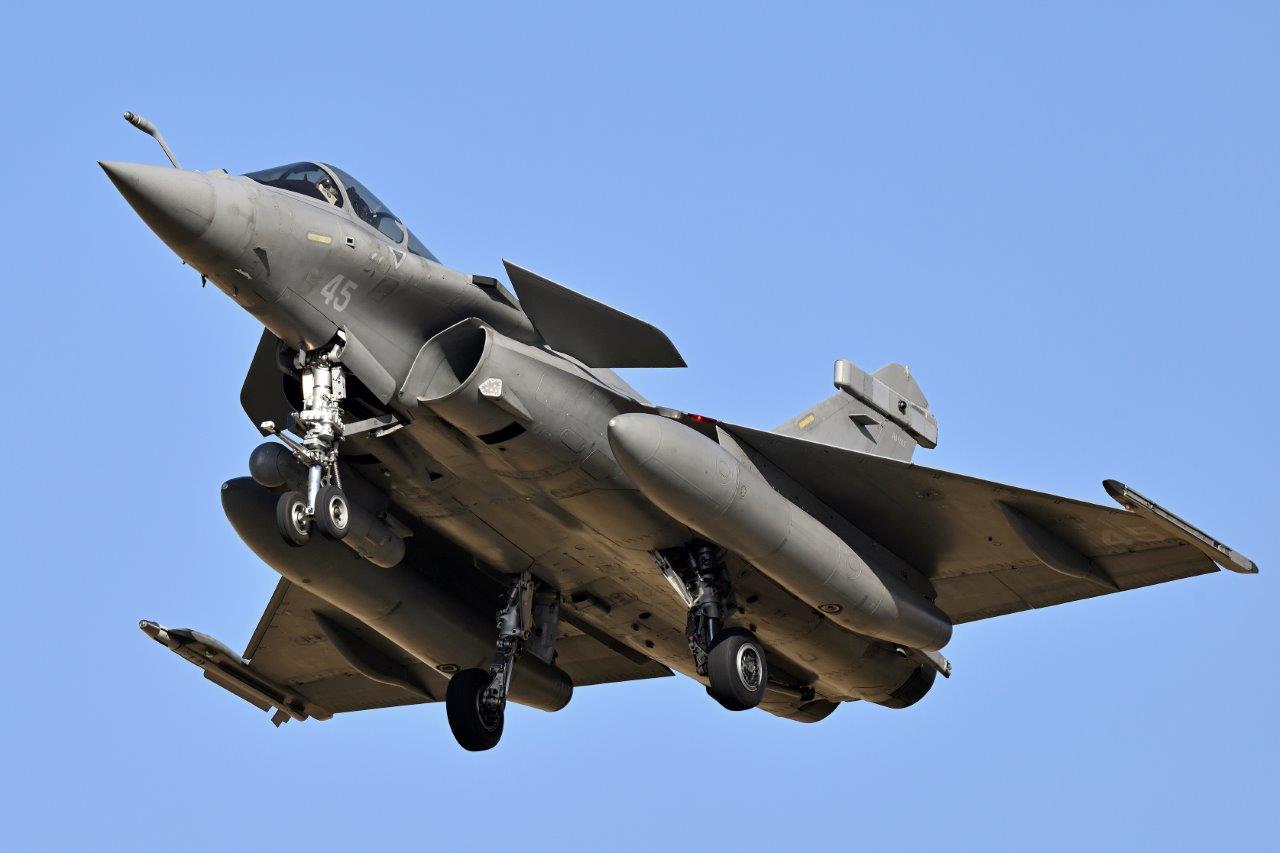
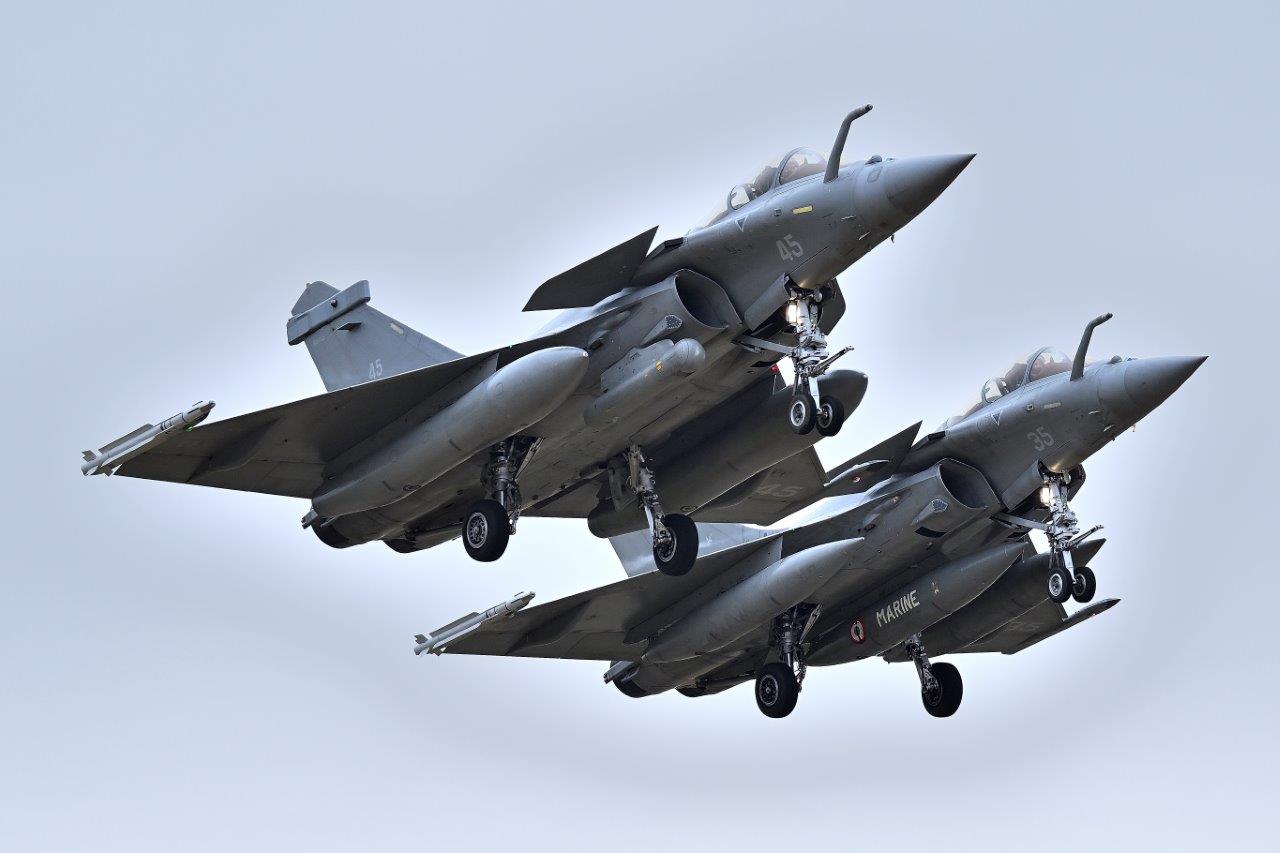
la Francia è presente con cinque Rafale C della 5e Escadre de chasse con sede presso la BA 115 di Orange

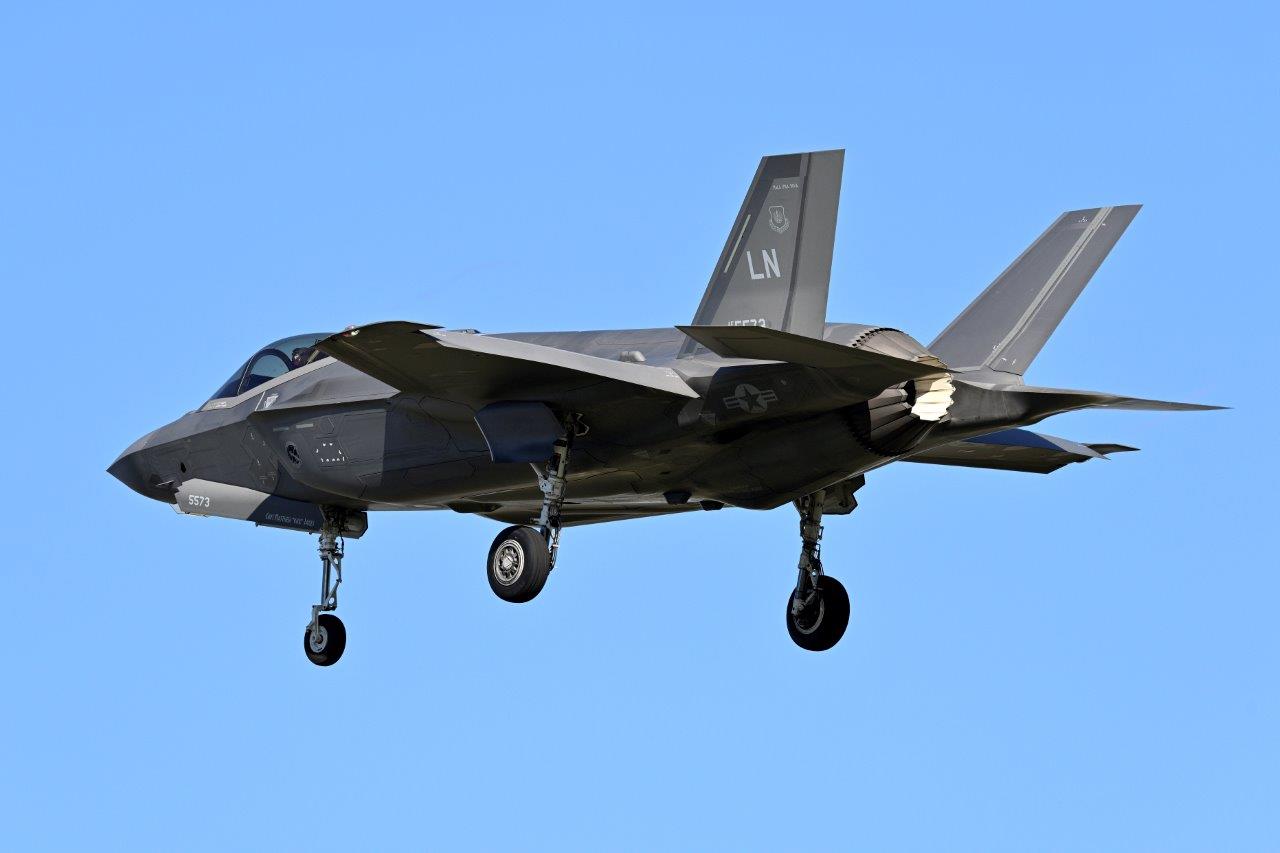
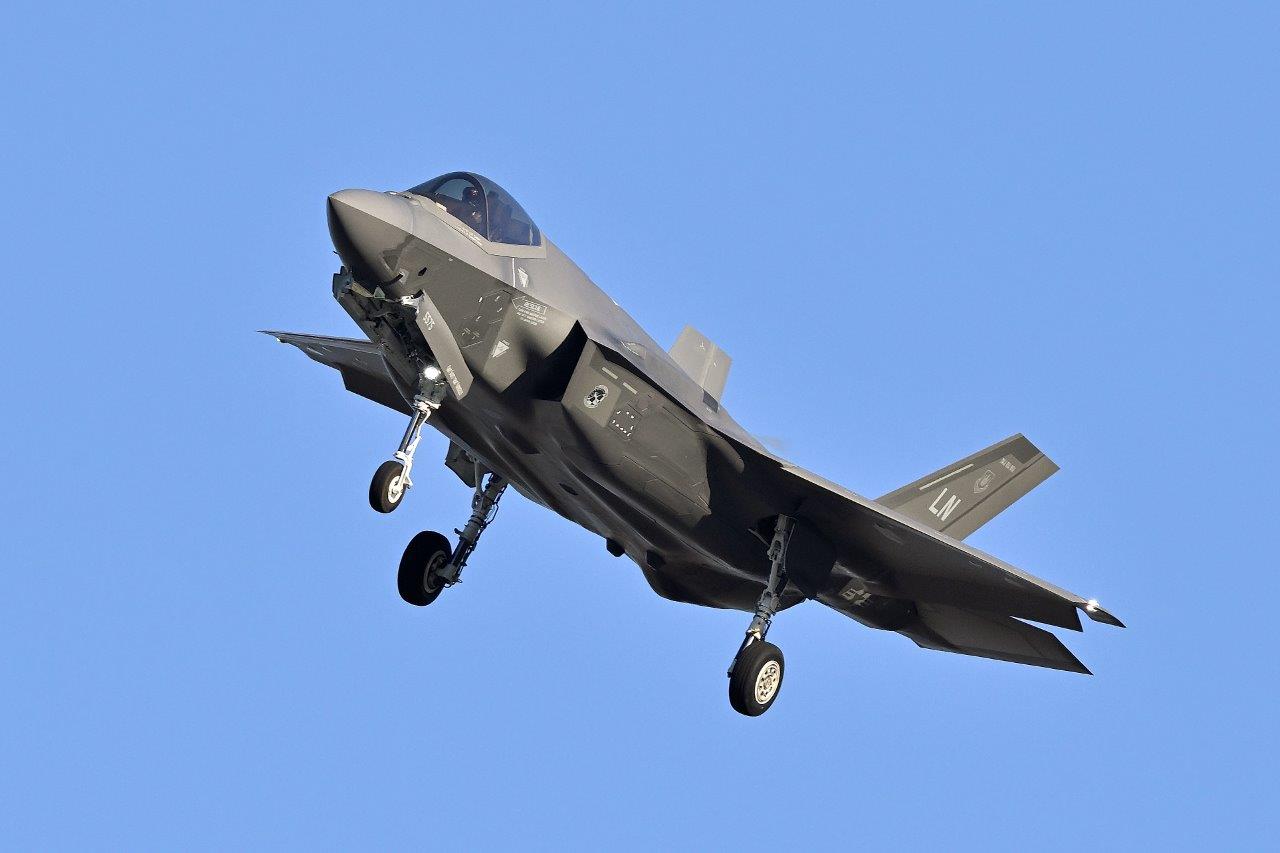
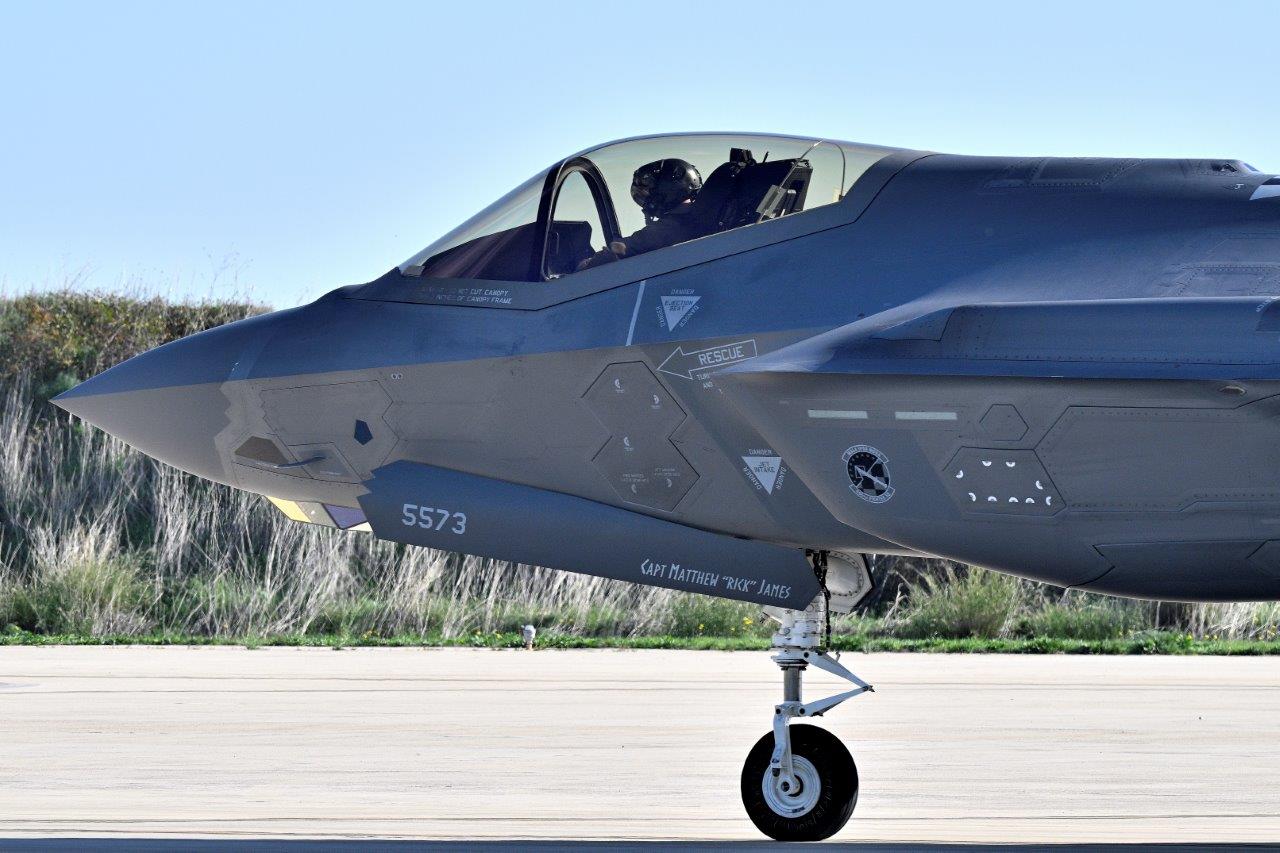
gli Stati Uniti con almeno otto F35A del 48th Fighter Wing provenienti dalla base inglese di Lakenheath.

Alla esercitazione partecipano anche gli F35B inglesi della Royal Navy partendo dalla Prince of Wales nei pressi di Creta.

Queste consistenze sono ovviamente basate sulla osservazione delle matricole degli aerei che hanno volato e quelli visti in base e sono ovviamente da prendere con beneficio di inventario.  

La missione del mattino termina alle 10.30 con l’atterraggio dell’ultimo aereo. Le attività riprenderanno alle 13.50 e partiranno in sequenza nell’arco di circa un’ora ben ventotto aerei dei vari reparti presenti.

Il vento è costante e la direzione delle attività volative è intuibile, pertanto ci posizioniamo alla testata 29R e aspettiamo gli atterraggi che……….non avvengono!

Non abbiamo fatto i conti con le brevi giornate novembrine.

Alle 16.30 il sole declina rossastro verso l’orizzonte, riusciamo a riprendere solo sei F35A, che effettuano anche alcuni low approach, poi il sole se ne va e il cielo diventa sempre più scuro, illuminato da una fantastica luna piena.

Gli altri aerei arriveranno tutti quasi a buio, dopo più di tre ore di missione, con rifornimento in volo.

Gli atterraggi con le luci colorate sopra di noi sono affascinanti ma ovviamente non riprendibili, la delusione è tanta e difficile da digerire, l’unica consolazione è la speranza di rifarci il giorno dopo.

Al mattino ci presentiamo davanti alla base per la registrazione ed il rilascio del pass, siamo circa una settantina di spotters, molti conoscenti e visi noti confluiti qui per l’importanza dell’evento.

Dopo il briefing veniamo accompagnati in una posizione in controluce totale alla estremità della pista 11, nella speranza che gli aerei in missione dalla mattina rientrino da questo lato, speranza vana, atterrano infatti dalla 29R e rullano davanti a noi belli neri.

Lo sconcerto, la delusione ed il nervosismo serpeggiano piuttosto evidenti nel gruppo. Grazie al personale militare che ci accompagna, che comprende le nostre necessità e si adopera per convincere chi deve rilasciare le necessarie autorizzazioni, riusciamo ad ottenere di essere accompagnati in una posizione con il sole alle spalle di fronte alla seconda pista e all’altezza della torre di controllo.

Da qui abbiamo la possibilità di osservare in distanza i rullaggi degli aerei che effettuano il taxy verso la pista 11, poi la corsa di decollo, lo stacco, la retrazione completa del carrello e l’arrampicata nel cielo blu, non siamo vicinissimi ma ci si arriva bene, possiamo essere soddisfatti.

Il primo decollo è intorno alle 12.30, ben in anticipo rispetto al giorno precedente, anche se la missione durerà altrettanto a lungo stavolta abbiamo buone possibilità di riprendere tutti gli atterraggi. Dopo il pasto nella mensa della base e la foto di gruppo davanti al gate guardian, l’Amx 32-01, ci comunicano che ci porteranno nello stesso posto dei decolli per riprendere gli atterraggi, ma in quel punto gli aerei sono già a terra a prescindere dalla direzione da cui provengano.

Rapidamente prendiamo una decisione e chiediamo gentilmente di uscire in anticipo, permesso che ci viene accordato.

Questa volta non possiamo mancare i decolli se vogliamo fare il servizio completo.

Ci dicono che si prevede il ritorno dalla pista 11, ma che non ce lo possono garantire ed infatti noi puntiamo diritti alla 29R nella speranza che rientrino da questa parte, la più favorevole. Stavolta l’azzardo paga e verso le 15.30 arriva il primo aereo, un F35A Usaf e a seguire tutti gli altri.

E’ stata una giornata difficile, ma siamo riusciti ad ottenere quello per cui siamo venuti. Mentre ci incamminiamo verso l’auto, con il cielo che tende al rosa, arrivano due F35B della Marina, gli ultimi della missione pomeridiana.

Mentre il gregario atterra dalla pista 11, il leader fa due low approach con arrampicata vertiginosa di rientro a tutto ab e scie di condensazione sulle estremità alari, ringraziamo dello spettacolo e affrontiamo appagati il lungo viaggio di rientro a casa.     


EN: Falcon Strike 2025

19 novembre 2025

(Photo and text by Angelo Bottazzi)

Falcon Strike 2025, the Air Force’s most important training event of the year, began on November 3rd at Amendola Air Base.

The exercise, which will conclude on November 14th, will primarily deploy to the 32nd Wing, but will also involve other Air Force bases, with the arrival of pilots, specialists, and aircraft from other Italian and foreign flight units.

Over 1,000 military personnel and over 50 assets from Italy, the United States, the United Kingdom, France, and Greece will train side by side to improve operational readiness and the ability to cooperate in multinational missions. In addition to air assets, the exercise will involve land and naval units from the Ministry of Defense, particularly the Italian Air Force, along with assets and personnel from the Navy.

Exercises such as Falcon Strike 2025 represent an opportunity to train personnel to ensure readiness for national needs in light of the Air Force’s current commitments both domestically and in theaters of operation abroad, with changing and increasingly complex international scenarios.

This is what the Air Force’s introductory post to the ongoing exercise says.

Obviously, we couldn’t miss an event of this magnitude, so we decided to leave for Amendola on the night of the 5th to have the whole day to devote to observing the flight activity from the outside, understanding the existing fleet, and then the next day to participate in Spotter Day, for which we are accredited, so as to adequately cover the event photographically, covering both takeoffs and landings.

This is what the Air Force’s introductory post to the ongoing exercise says.
Obviously, we couldn’t miss an event of this magnitude, so we decided to leave for Amendola on the night of the 5th to have the whole day to devote to observing the flight activity from the outside, understanding the existing fleet, and then the next day to participate in Spotter Day, for which we are accredited, so as to adequately cover the event photographically, covering both takeoffs and landings. tranquillità.

Landings are therefore recovered quite easily while take-offs are almost impossible.

We arrive around 7am on a fantastic day from a weather point of view, clear skies but rather cold due to the strong wind from the north-east, which reaches up to twenty knots at times..

With these stable wind conditions, the runway in use is 29R and this guarantees that we will not even do a take-off, because when they pass over us they will already be quite high, but good conditions for landings.

And so it will be, take-offs begin at 8.20, sixteen planes from four nations depart in sequence: Italy, Greece, France and the United States.

The 32nd Wing, composed of the 13th Group equipped with F-35As and the 101st Group with F-35Bs, is based at the base. Five F-35As, including Diavoli and Paperi, were deployed from Ghedi for the exercise.

while four F35Bs and six AV8B+s are deployed from the Navy’s Grupaer in Grottaglie

Five F16Cs, converted to the latest V version, arrived from Greece from the 340th Mira Fox of Souda (Crete)

France is present with five Rafale Cs of the 5e Escadre de chasse based at BA 115 in Orange

the United States with at least eight F35As from the 48th Fighter Wing coming from the English base of Lakenheath.

The exercise also includes British F35Bs from the Royal Navy, departing from the Prince of Wales near Crete.

These figures are obviously based on the observation of the serial numbers of the aircraft that have flown and those seen at the base and are obviously to be taken with a pinch of salt.  

The morning mission ends at 10:30 a.m. with the landing of the last aircraft. Operations will resume at 1:50 p.m., with twenty-eight aircraft from the various units taking off in sequence over the course of about an hour.

The wind is constant and the direction of the flight activity is predictable, so we position ourselves at head 29R and wait for the landings which….never happen!

We hadn’t counted on the short November days.

At 4:30 PM, the sun was setting reddish toward the horizon. We managed to capture only six F35As, which were also making a few low approaches. Then the sun set and the sky grew darker, illuminated by a fantastic full moon.

The other aircraft would all arrive almost in the dark, after more than three hours of mission, with in-flight refueling..

We hadn’t counted on the short November days.
At 4:30 PM, the sun was setting reddish toward the horizon. We managed to capture only six F35As, which were also making a few low approaches. Then the sun set and the sky grew darker, illuminated by a fantastic full moon.
The other aircraft would all arrive almost in the dark, after more than three hours of mission, with in-flight refueling. speranza di rifarci il giorno dopo.

In the morning, we show up at the base for registration and pass issuance. There are about seventy of us spotters, many acquaintances and familiar faces gathered here for the importance of the event.

After the briefing, we are escorted to a position completely backlit at the end of Runway 11, hoping that the planes that had been flying since the morning would return from this side. A vain hope, however, as they land from Runway 29R and taxi in front of us, black and white.

Dismay, disappointment, and nervousness are quite evident among the group. Thanks to the military personnel accompanying us, who understand our needs and work hard to convince those responsible for issuing the necessary authorizations, we manage to be escorted to a position with the sun at our backs, facing the second runway and level with the control tower.

From here, we can observe from a distance the planes taxiing toward Runway 11, then the takeoff roll, the liftoff, the complete retraction of the landing gear, and the climb into the blue sky. We’re not very close, but we’re close enough, and we can be satisfied.

The first takeoff is around 12:30, well earlier than the previous day. Even though the mission will last just as long, this time we have a good chance of capturing all the landings. After lunch in the base mess hall and a group photo in front of the gate guardian, AMX 32-01, we’re told they’ll take us to the same place as the takeoffs to capture the landings, but at that point the planes are already on the ground, regardless of their direction.

We quickly make a decision and politely ask to leave early, which is granted.

This time, we can’t miss the takeoffs if we want to provide a full service.

They tell us they’re expecting a return from runway 11, but they can’t guarantee it, so we head straight for 29R, hoping they’ll return from this side, the most favorable. This time, the gamble pays off, and around 3:30 PM, the first plane arrives, a USAF F35A, followed by all the others.

It was a tough day, but we managed to get what we came for. As we walked toward the car, with the sky turning pink, two Navy F35Bs arrived, the last of the afternoon mission.

While the wingman lands from runway 11, the leader makes two low approaches with a dizzying return climb at full AB and condensation trails on the wingtips, we are grateful for the spectacle and face the long journey home with satisfaction.   


2015 Wings Over Wayne Air Show, Seymour Johnson AFB, NC

15 novembre 2025

(Foto e testo a cura di Massimo Vigo)

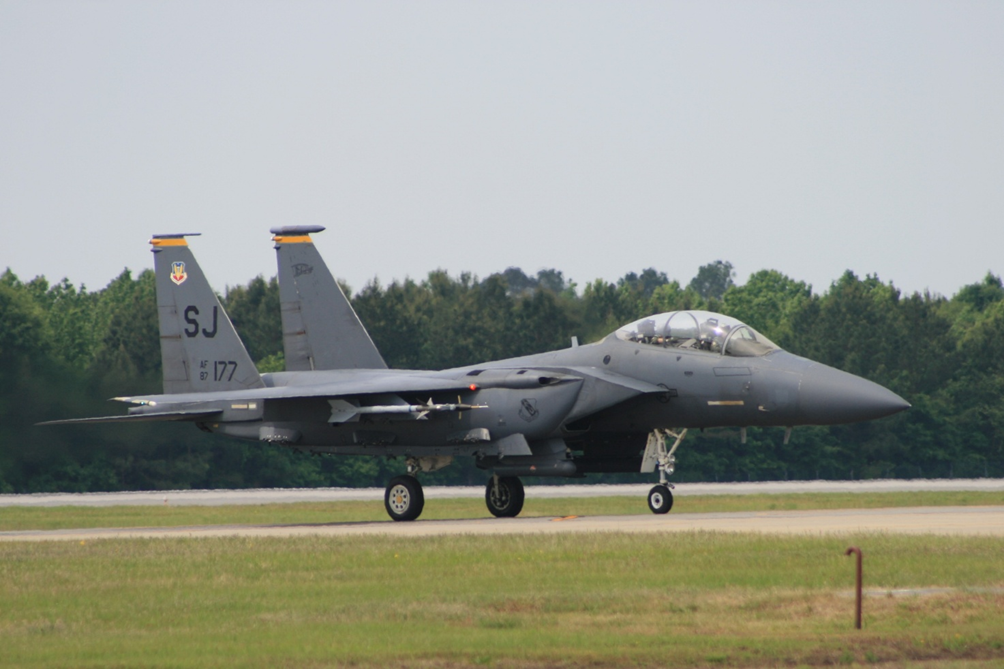
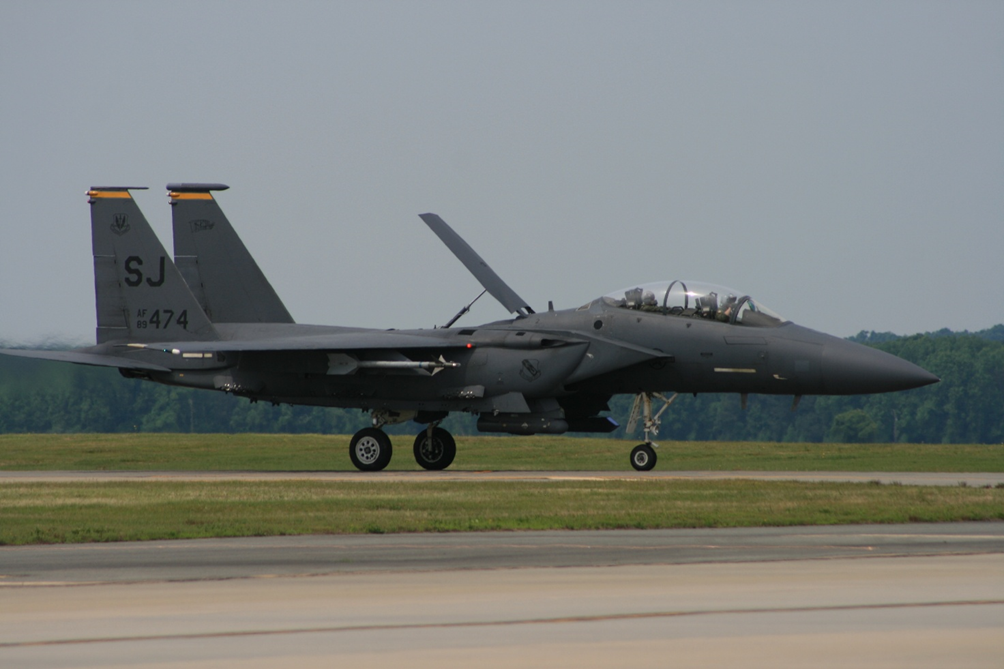
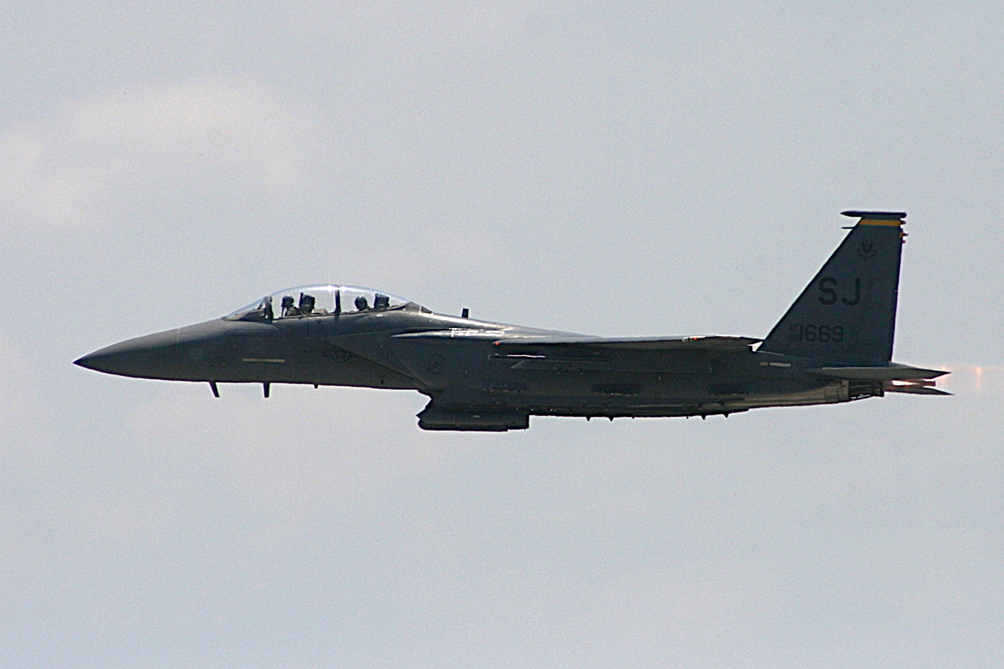
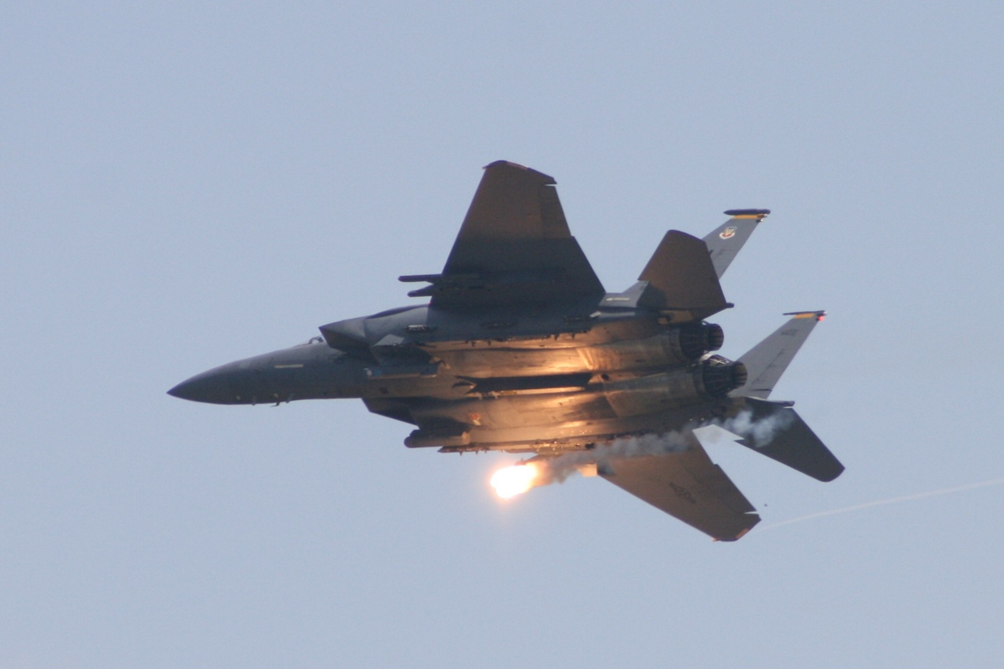
Il “Wings over Wayne Air Show” del 2015 si è tenuto a metà maggio presso la Seymour Johnson AFB, North Carolina.

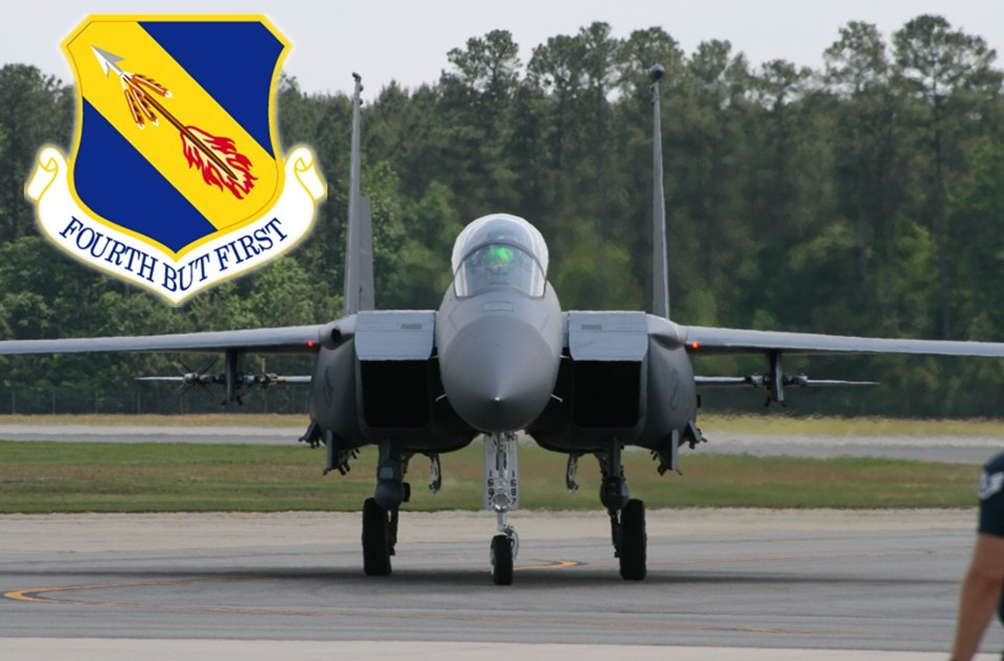
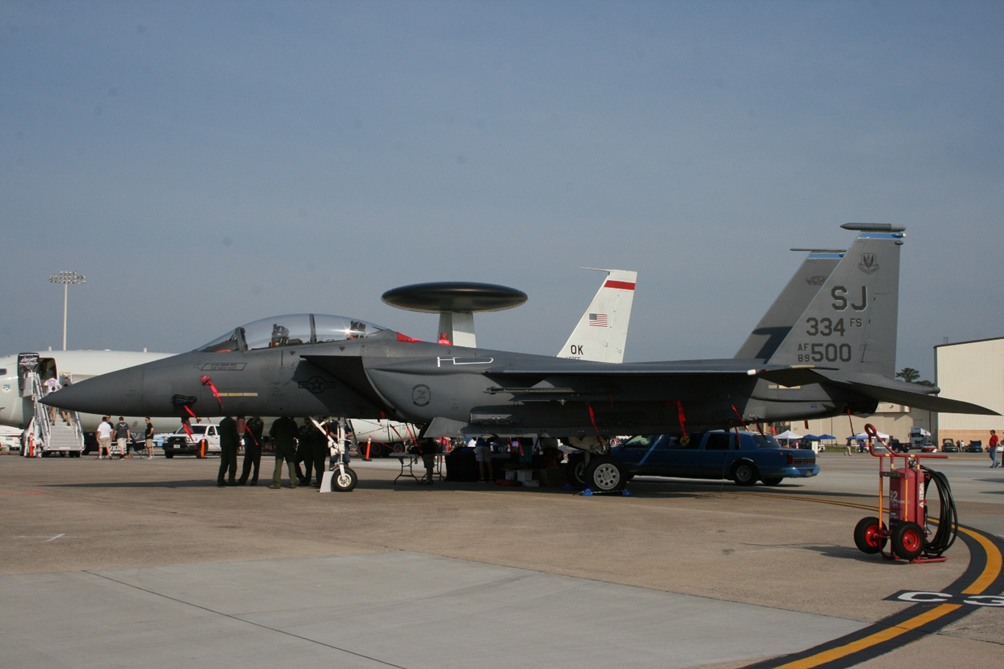
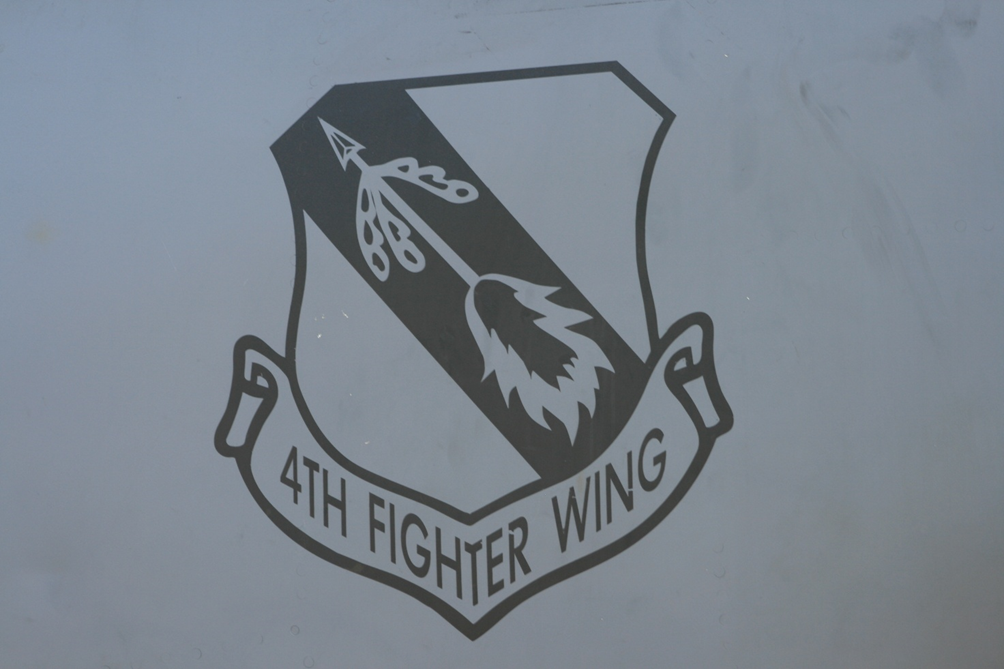
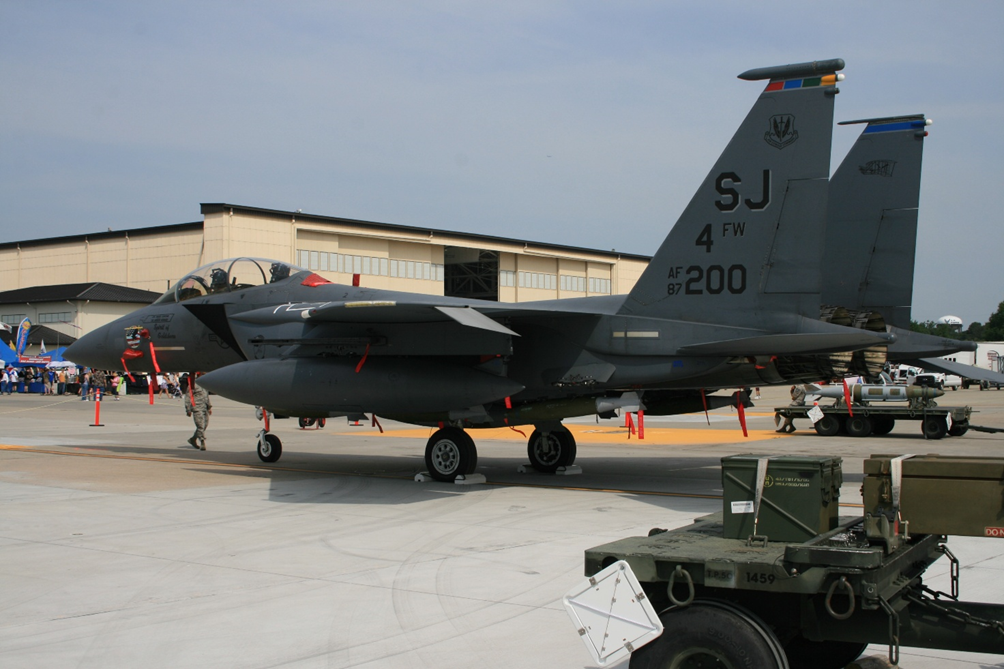
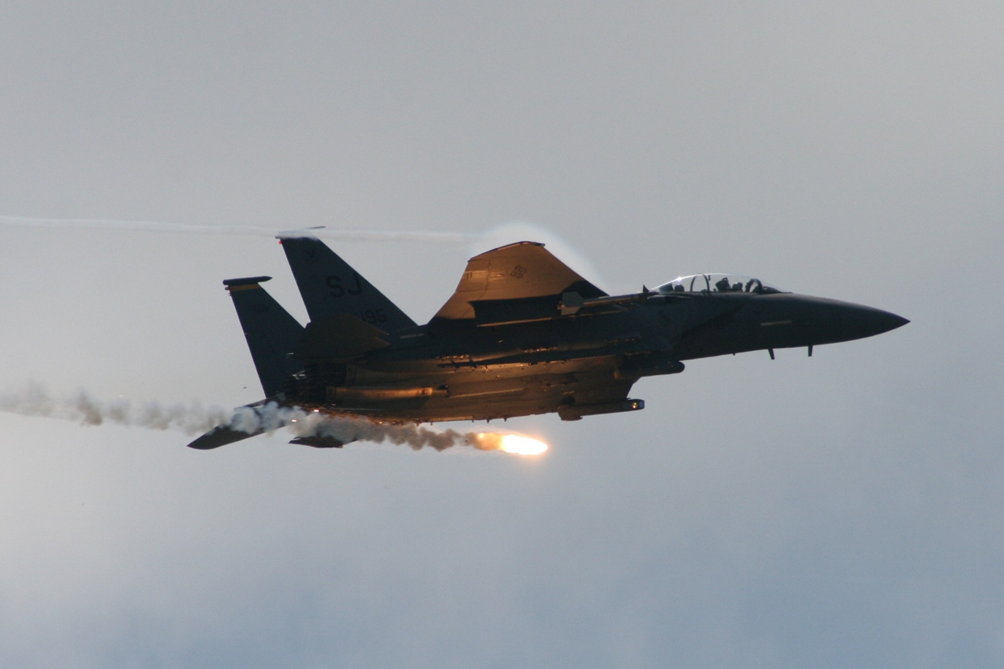
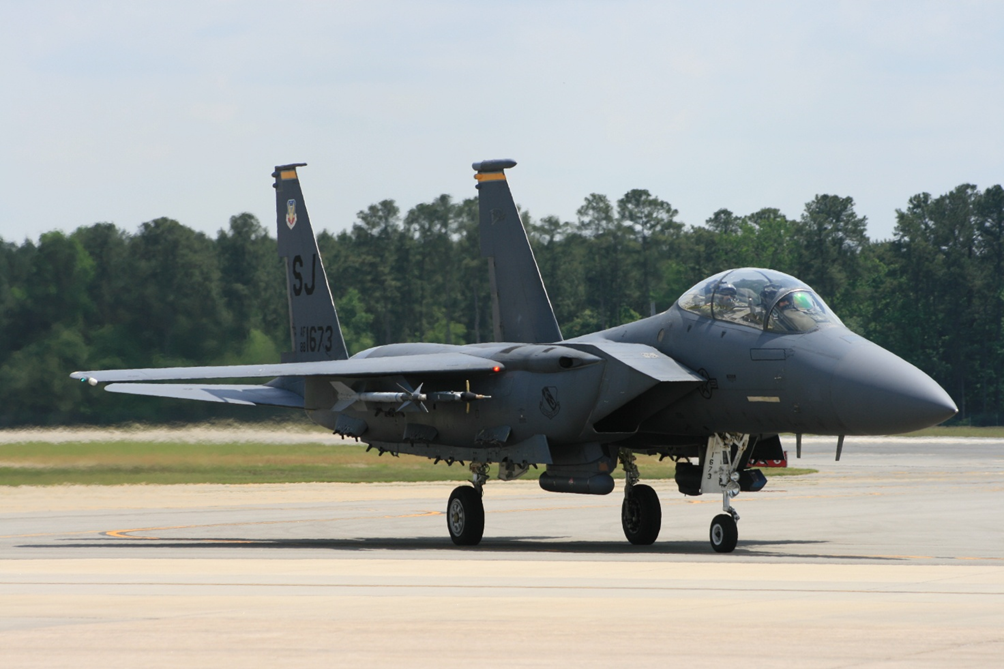
La base ospitava (e ospita attualmente) il 4th Fighter Wing con gli F15E Strike Eagle.

Come in ogni manifestazione aerea in base USAF che si rispetti, la partecipazione di aerei in statica e in volo è stata massiccia, rendendo molto complesso il processo di selezione di un numero ragionevole di aerei e fotografie.

Nella statica i pezzi migliori erano:

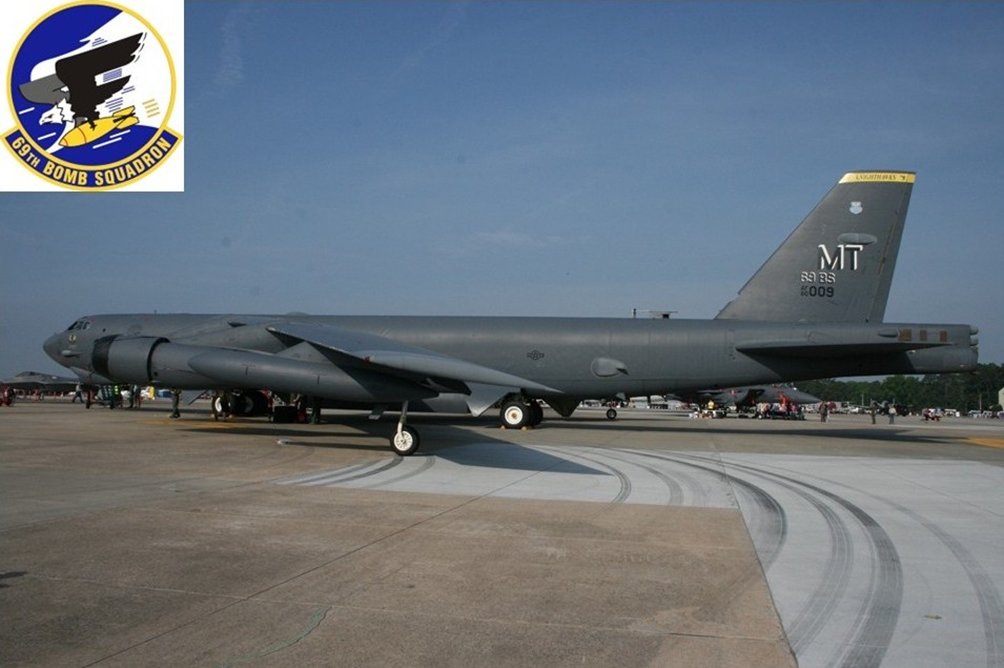
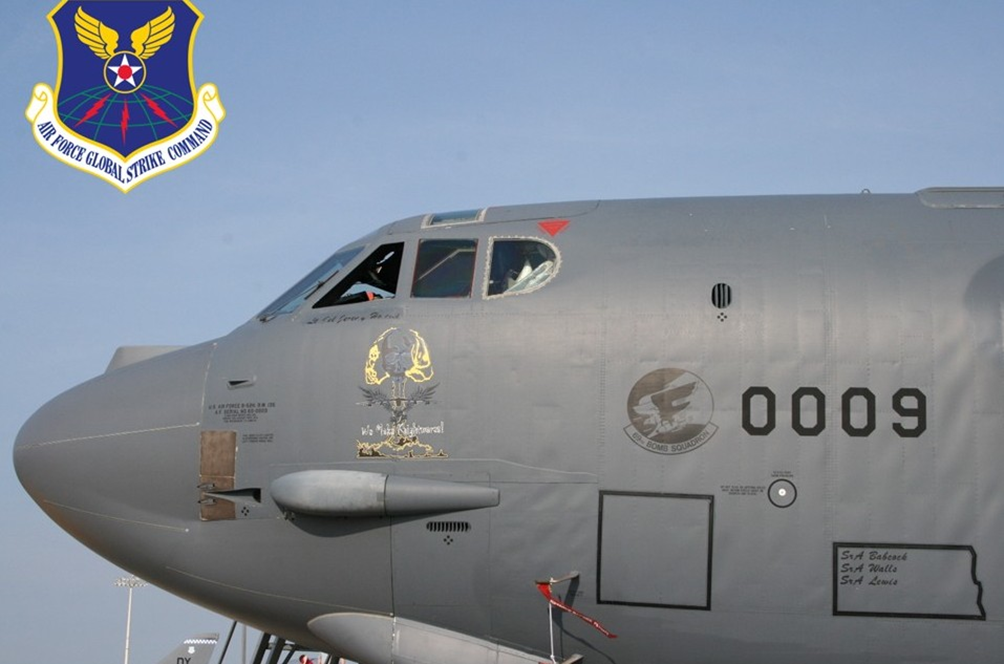
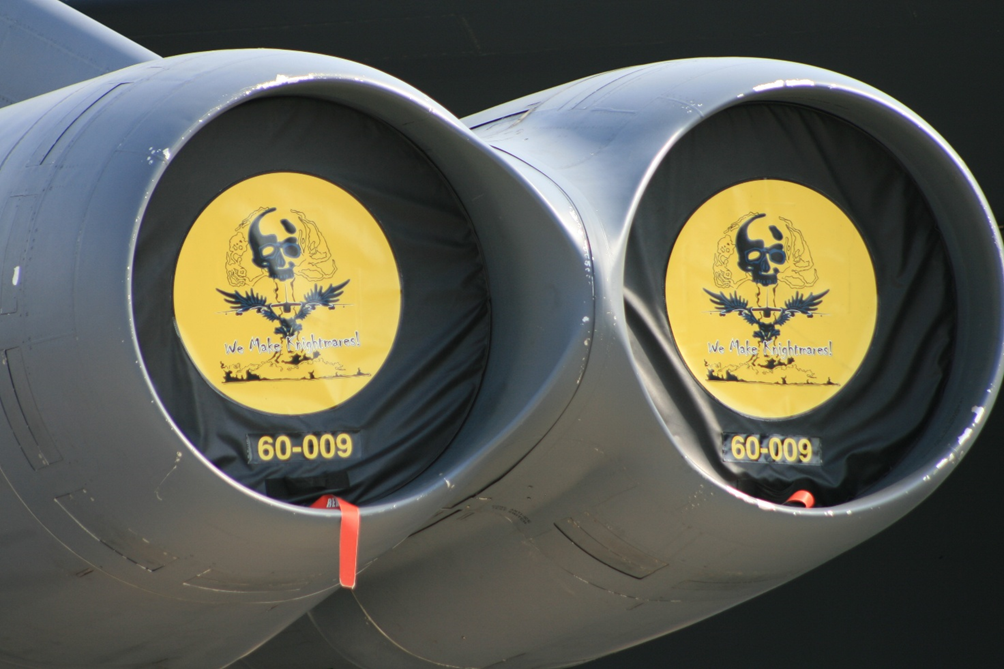
B52H del 69th Bomb Squadron “Nighthawks” di Minot AFB, North Dakota

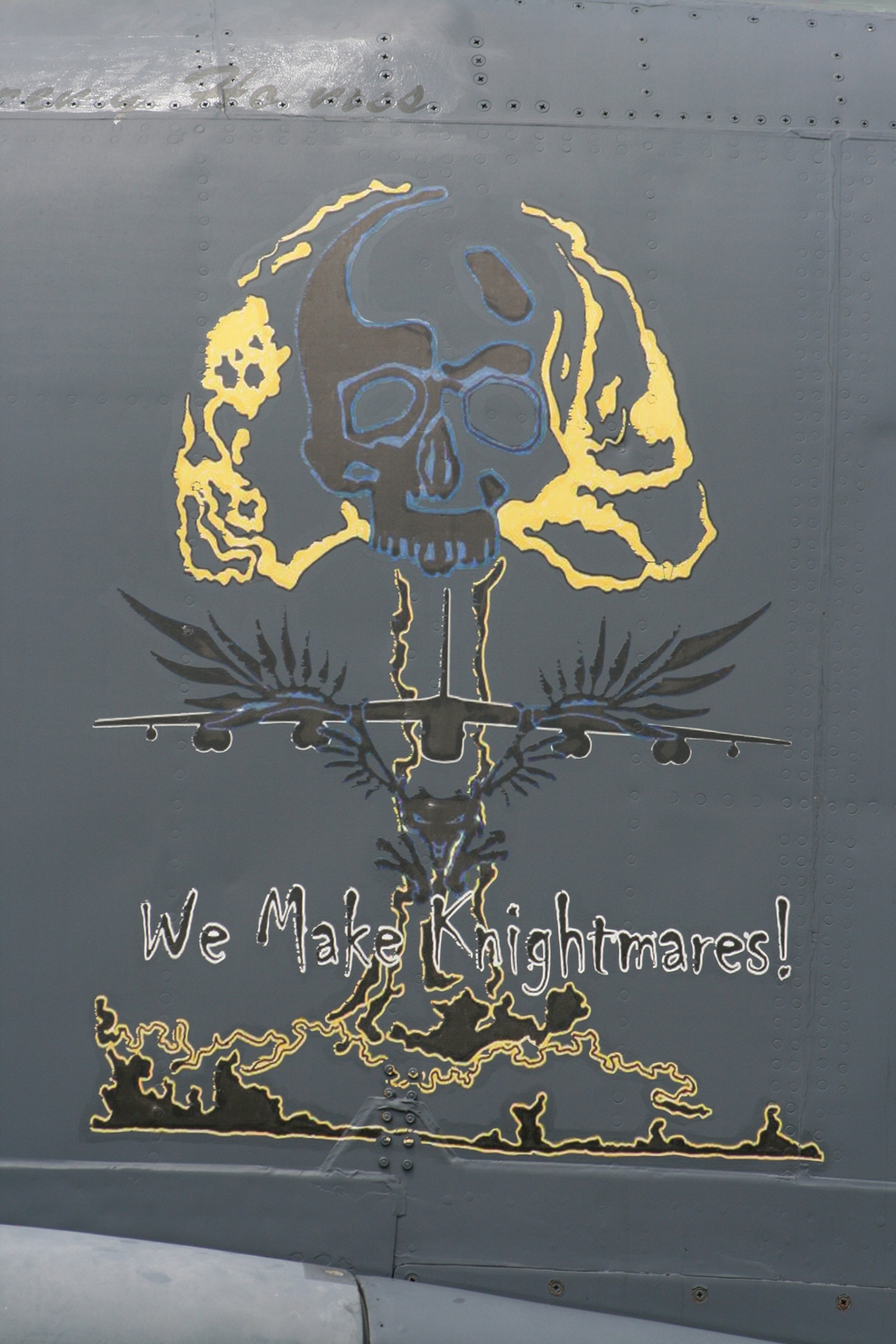
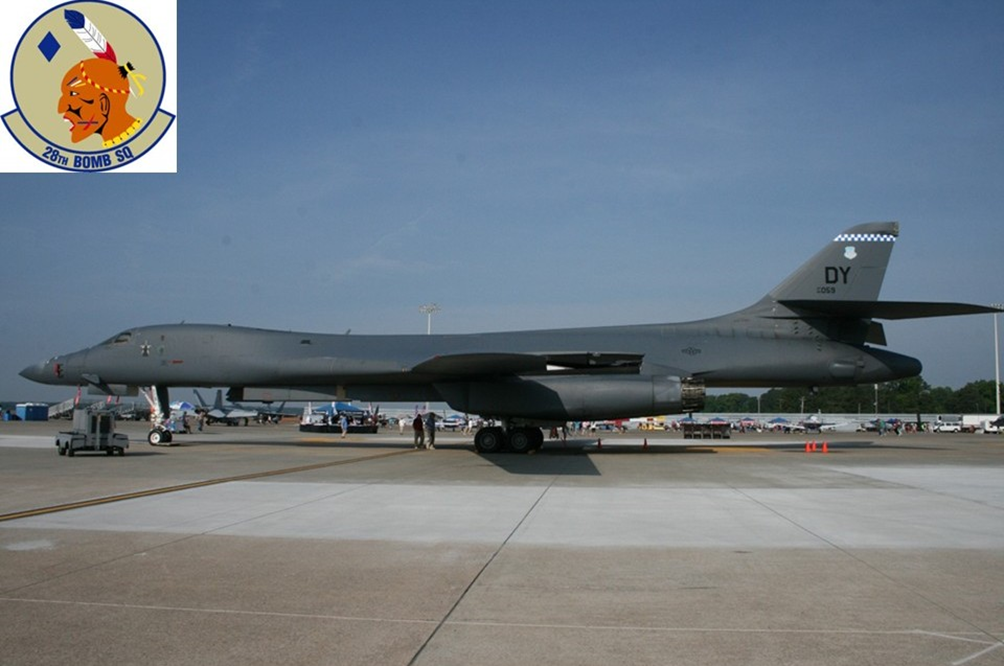
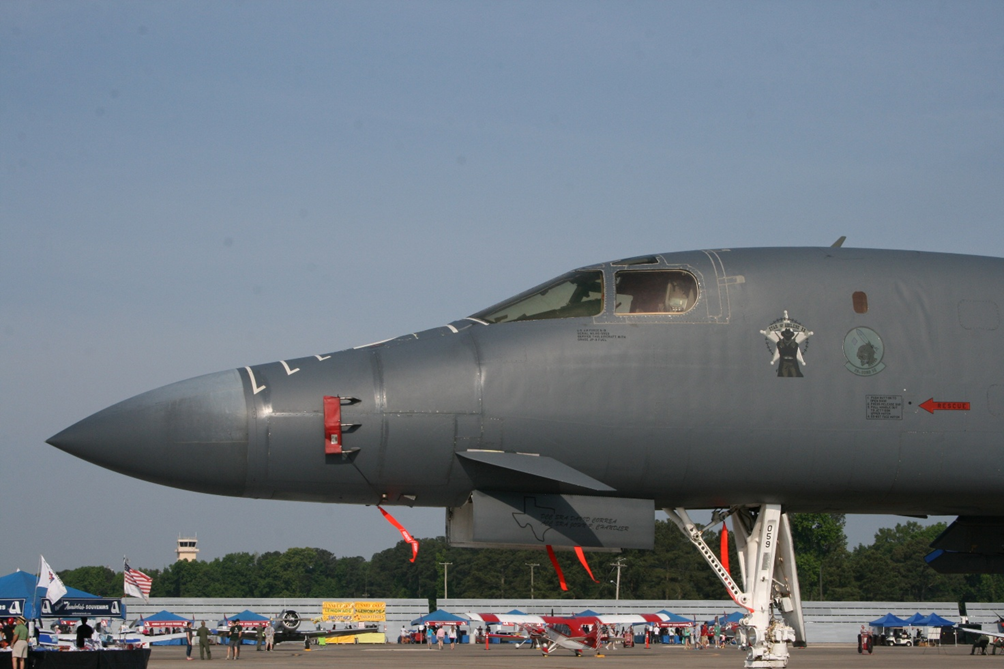
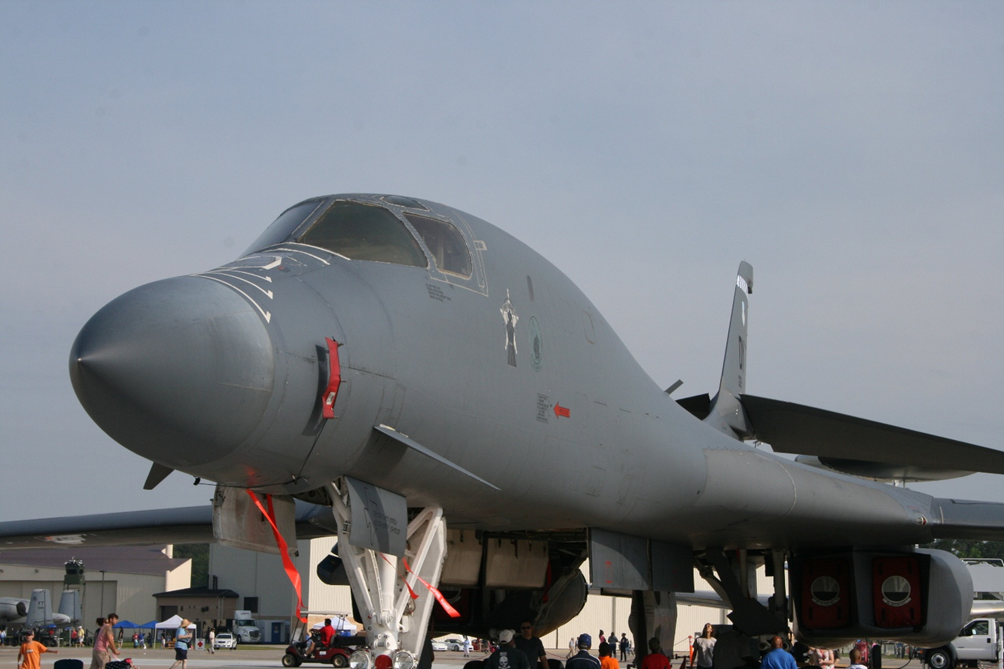
  • B1B Lancer del 28th Bomb Squadron di  Dyess AFB, Texas
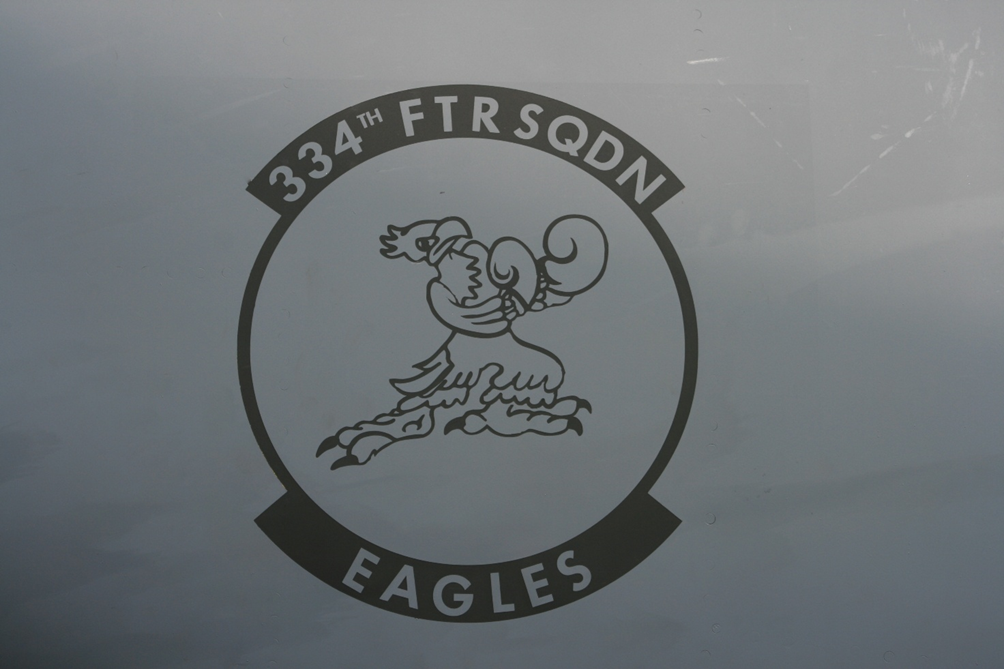
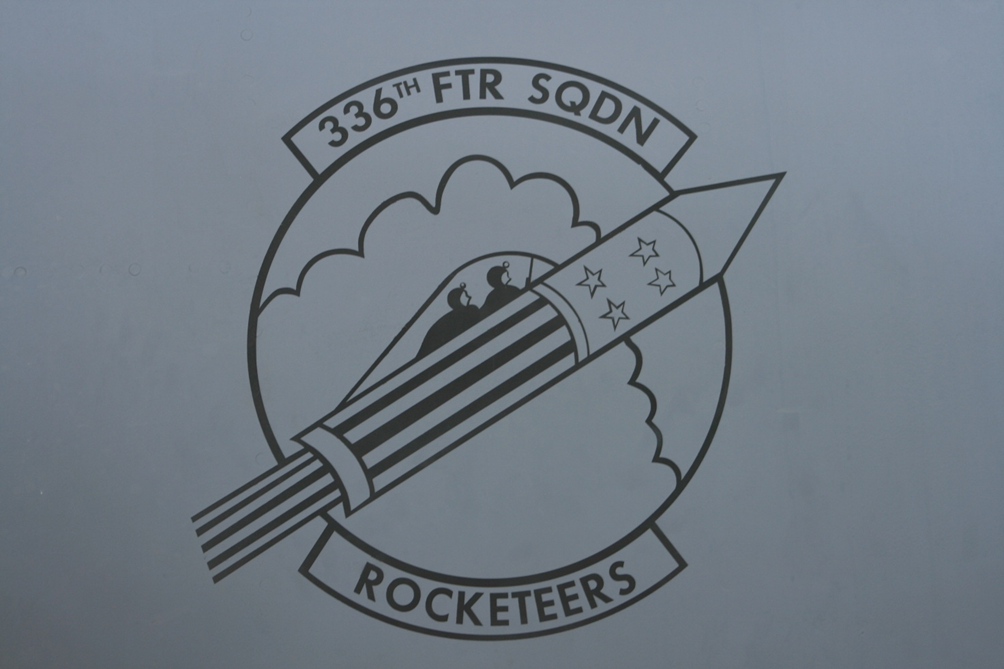
  • F15E del 4th Wing, di casa a Seymour Johnson AFB
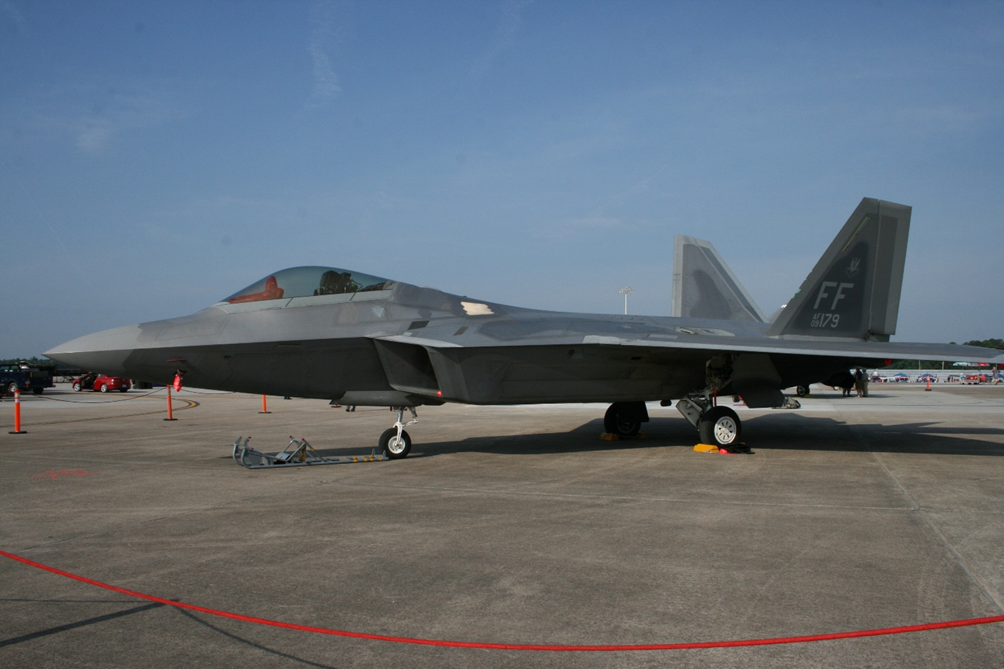
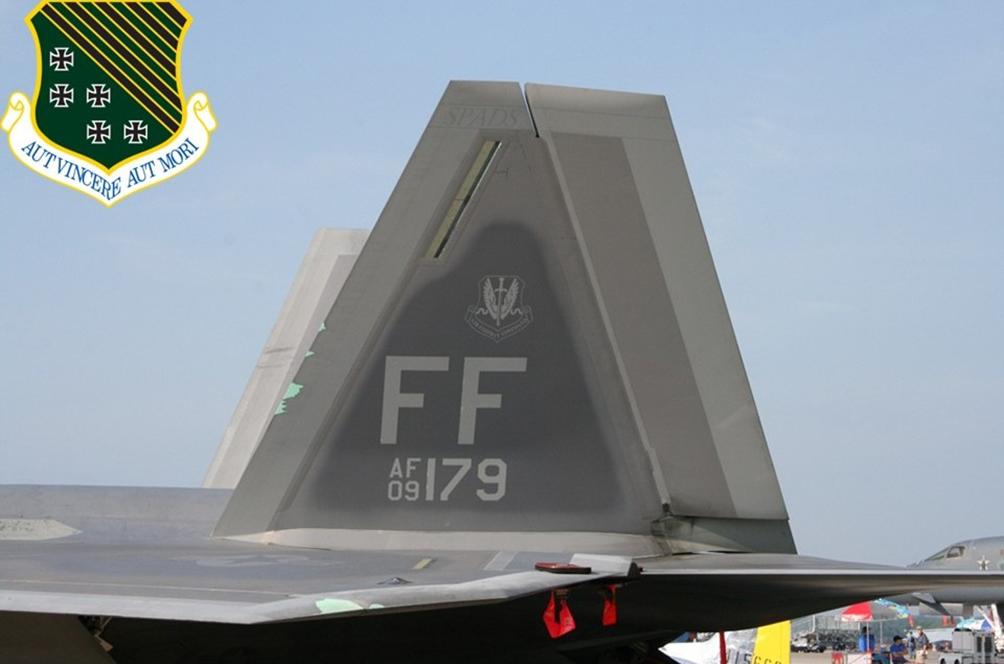
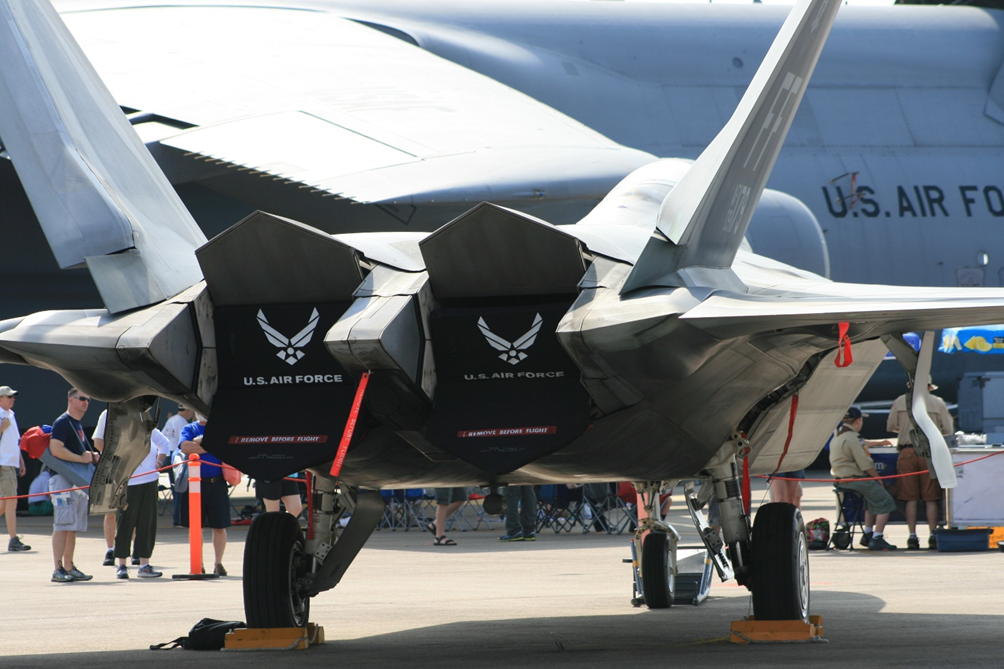
  • F22 del 1st Fighter Wing di Langley AFB, VA
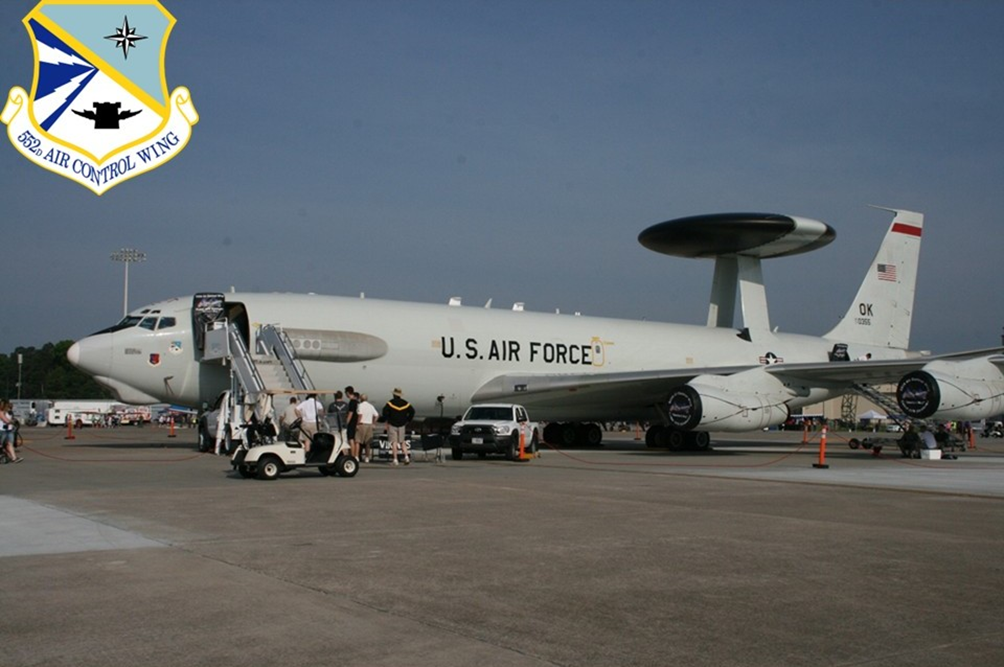
  • E3 Sentry del 964th Airborne Air Control Squadron, 552nd Air Control Wing di Tinker AFB, Oklahoma
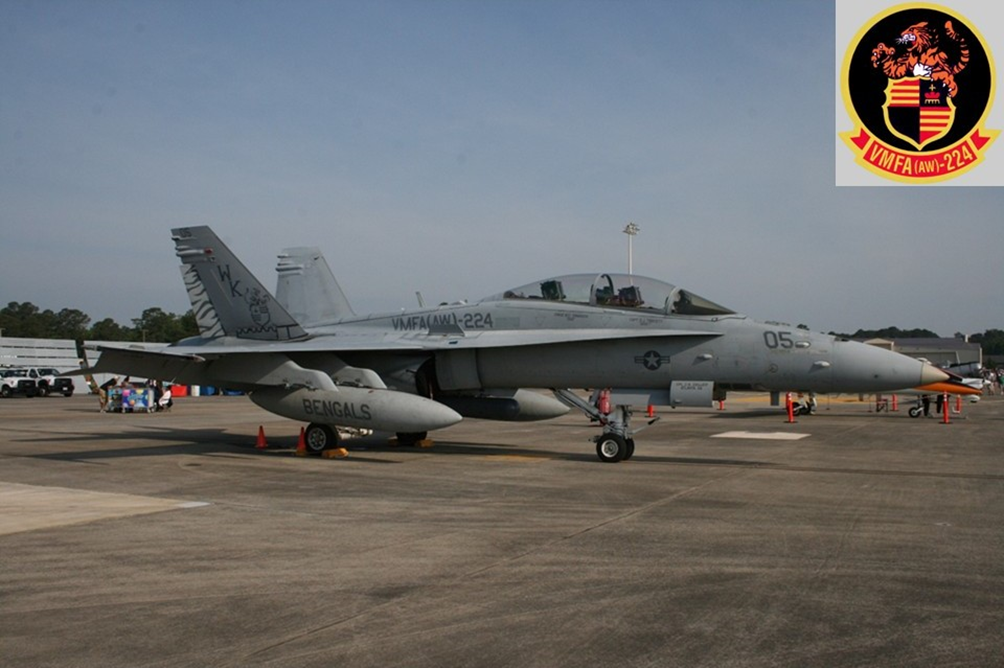
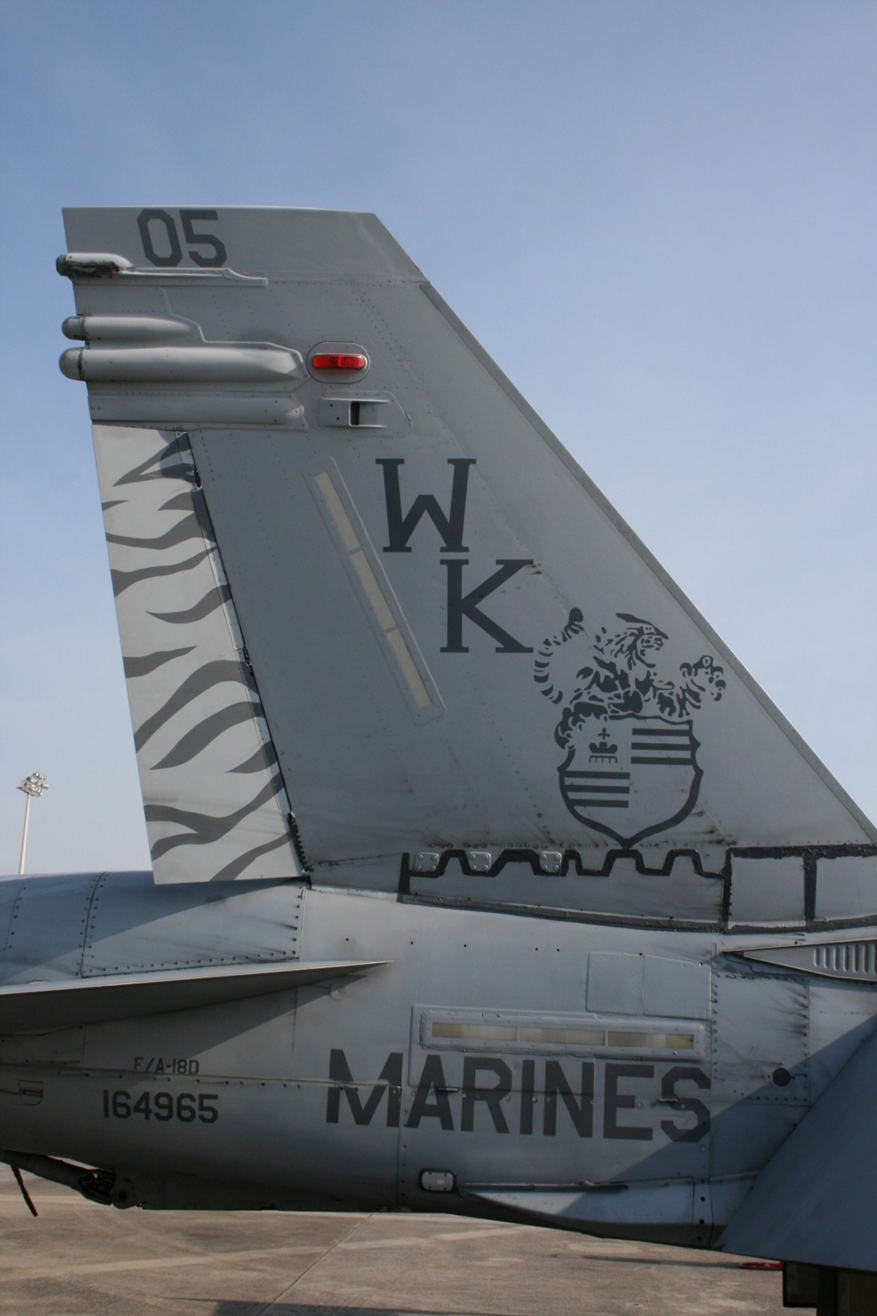
  • F/A18F del Marine Fighter Attack Squadron 224 (VMFA-224) “Fighting Bengals”, di MCAS Beaufort, South Carolina
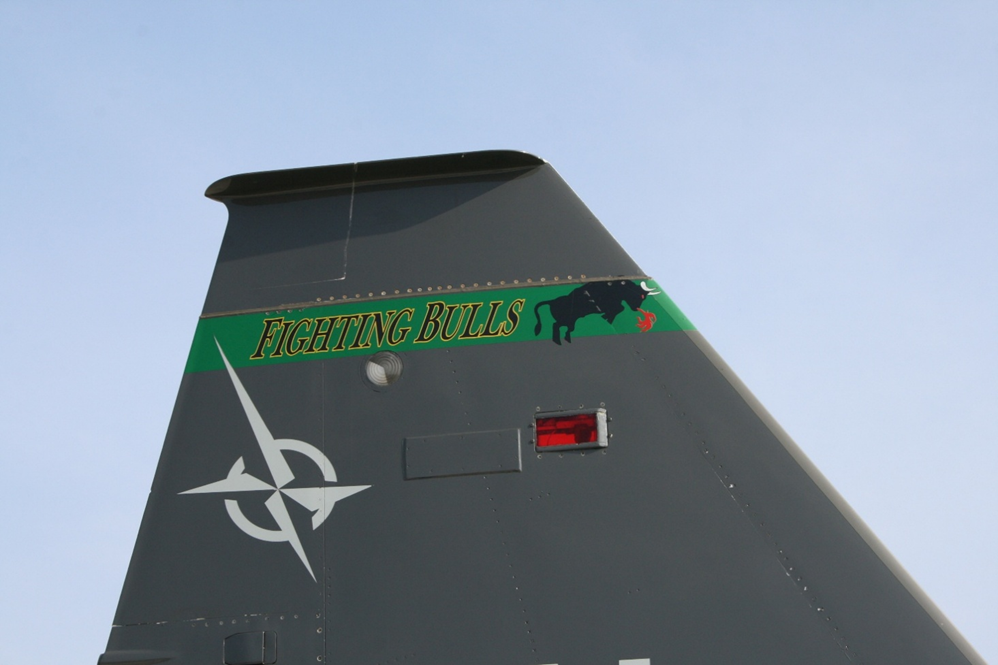
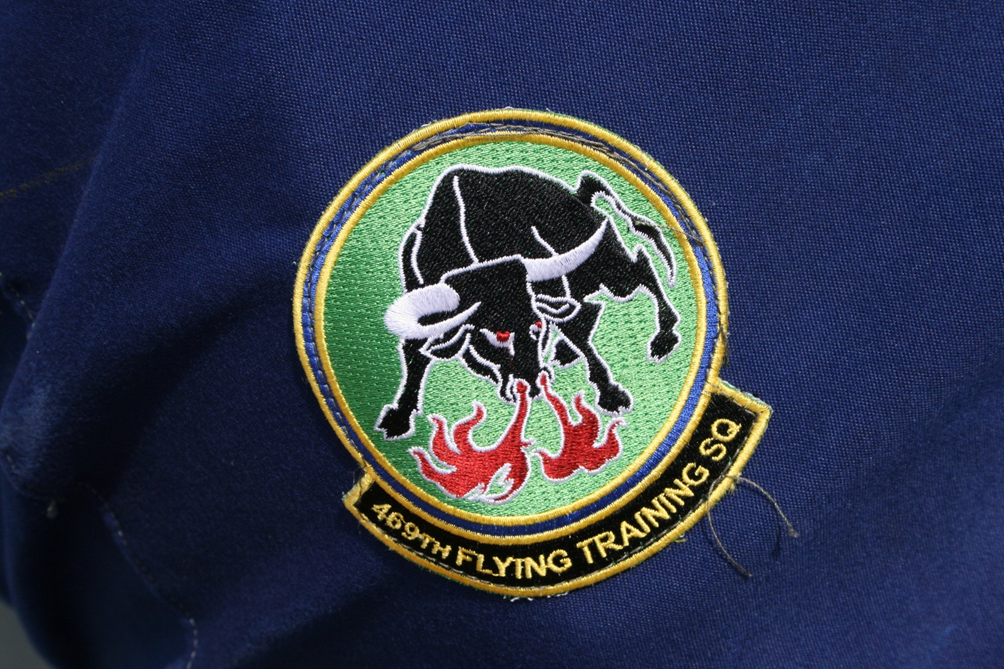
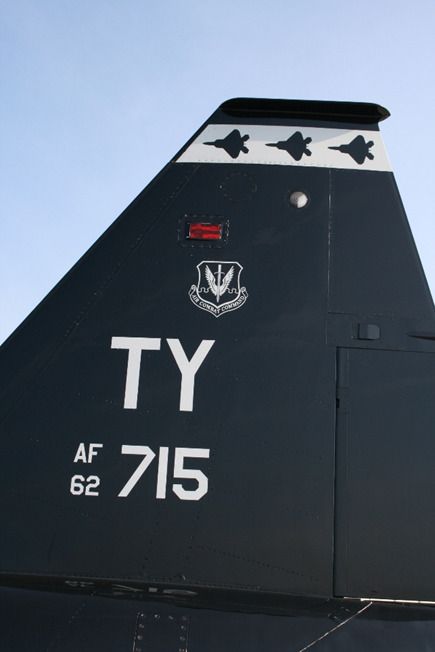
  • T38A del 2nd Fighter Training Squadron (aggressor per addestramento piloti di F22). 325th Figther Wing di Tyndall AFB, FLA

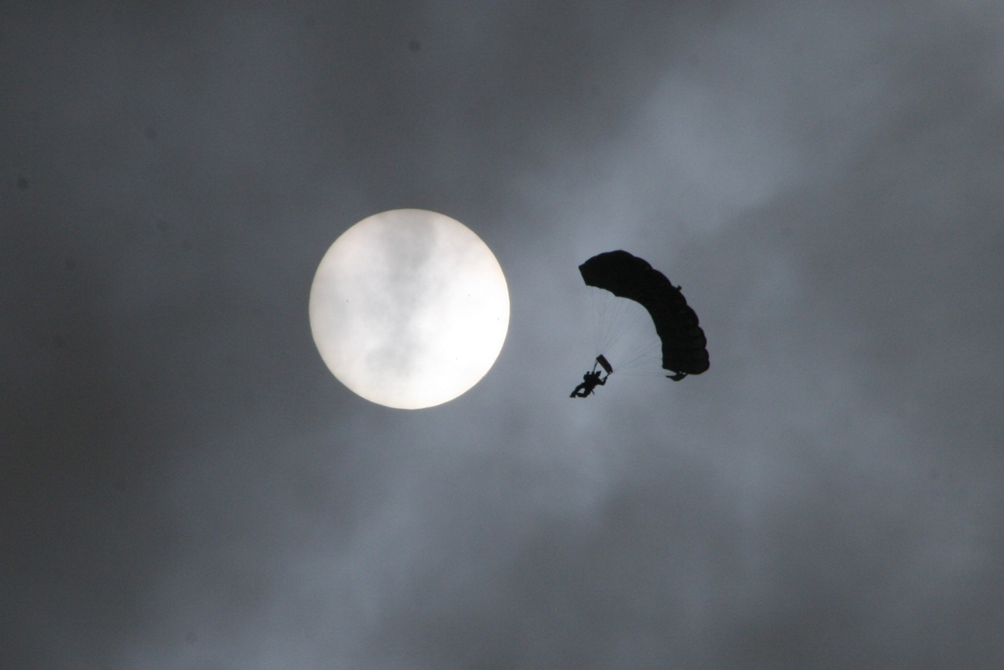
L’air show è stato aperto dai Black Daggers di Fort Bragg, NC.             

La selezione delle presentazioni in volo:

  • F15E del 4th Fighter Wing

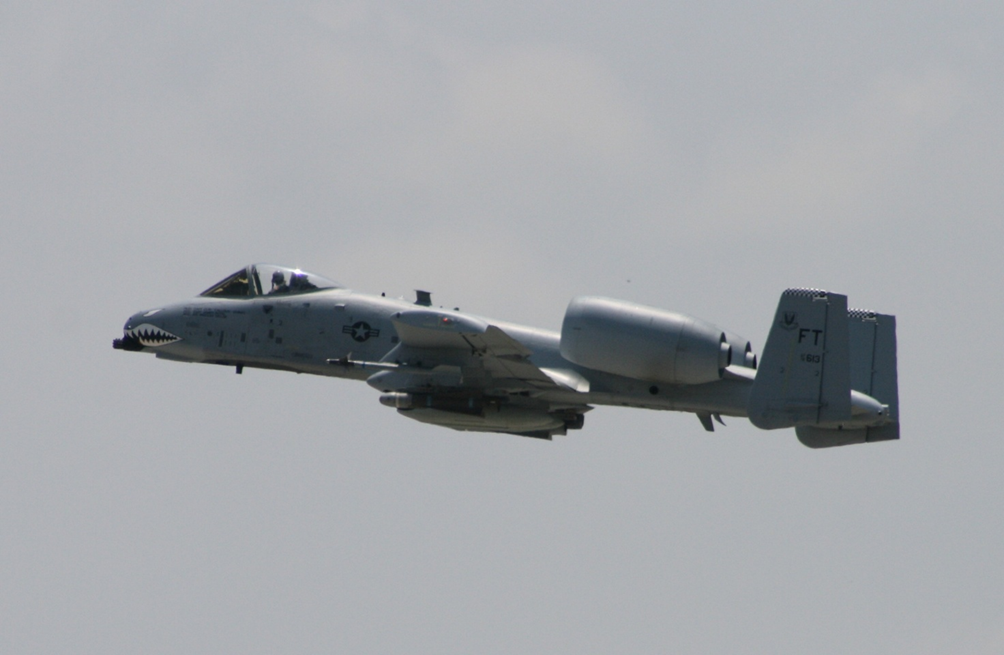
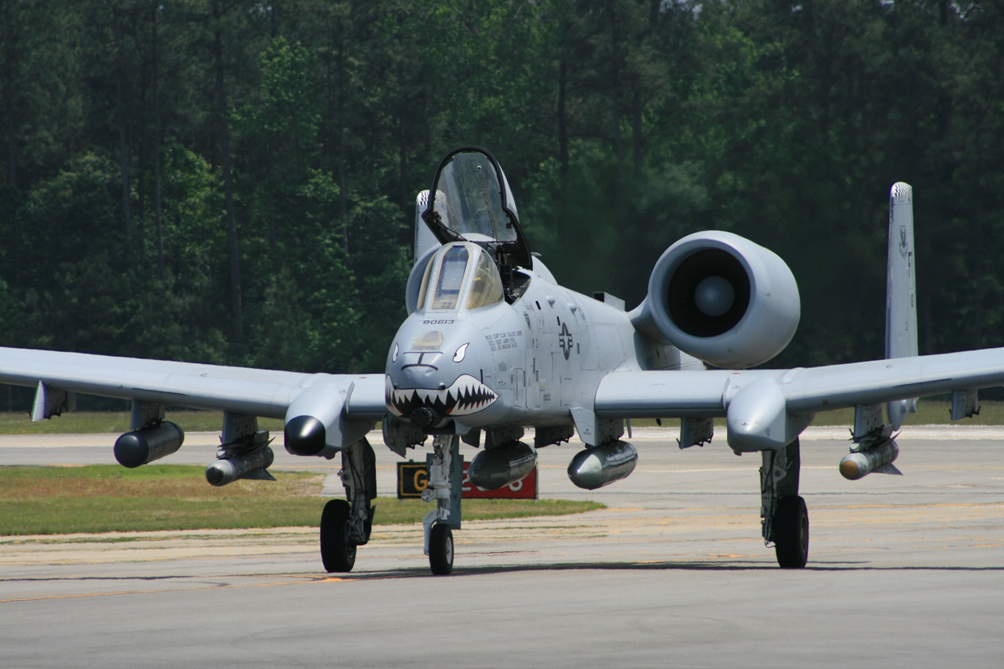
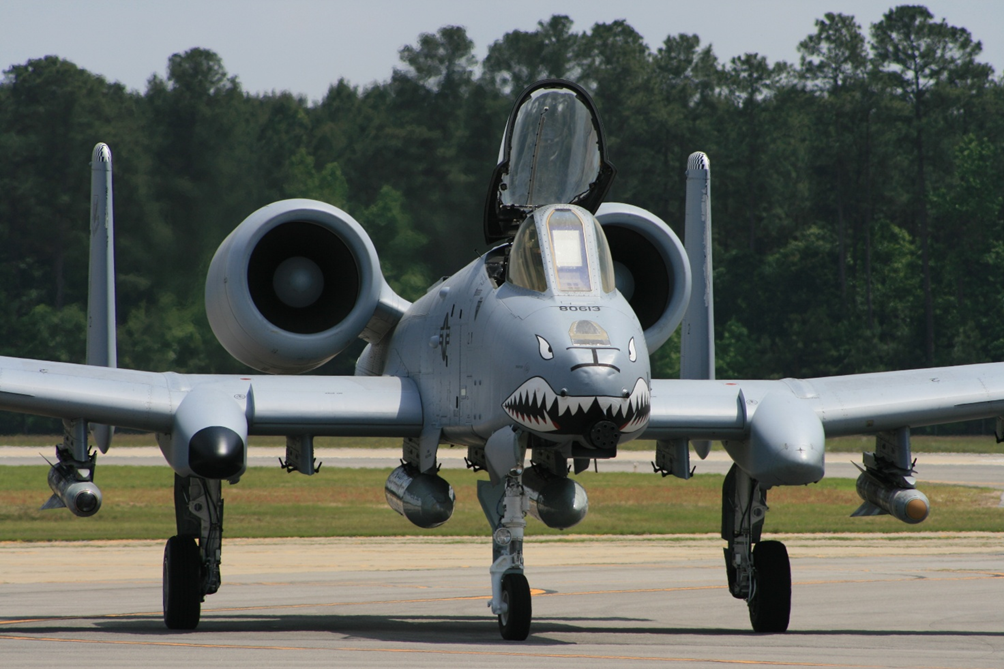
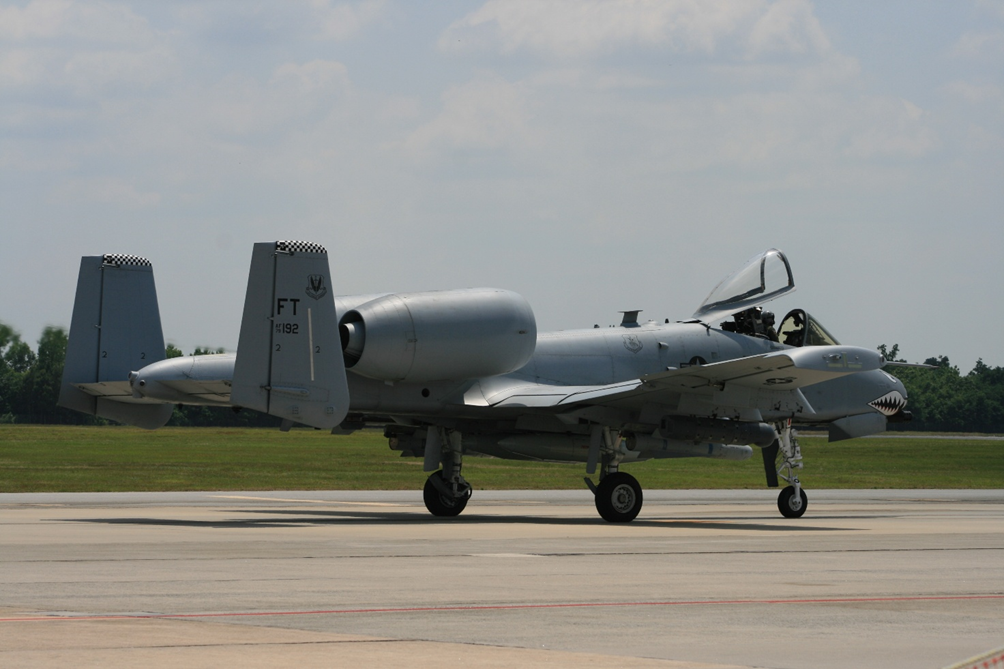
A10 del 476th Fighter Group (Air Reserve Component) di Moody AFB (Georgia)

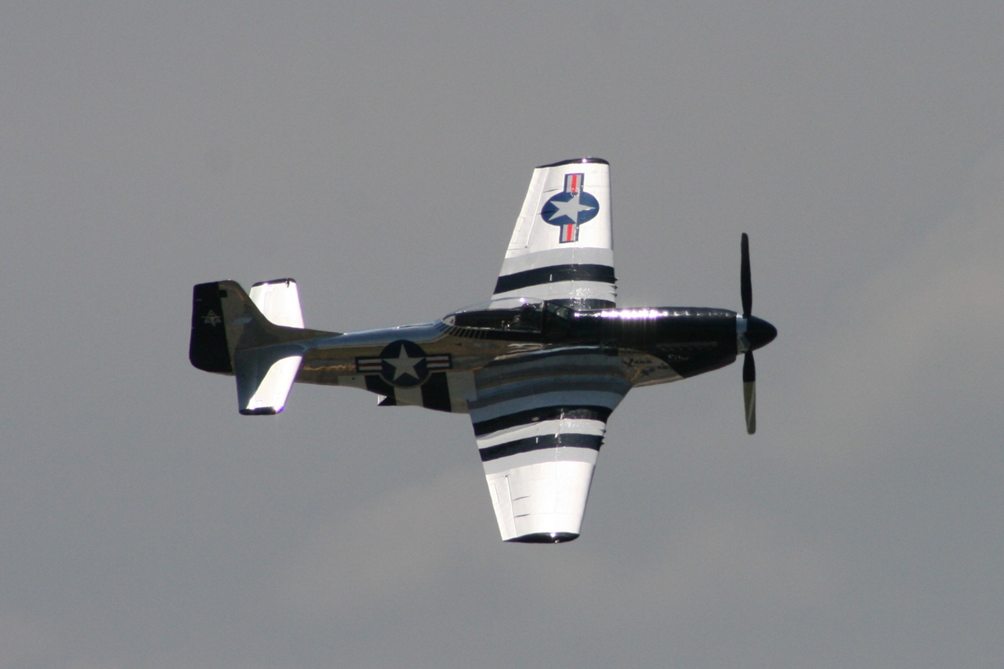
P51

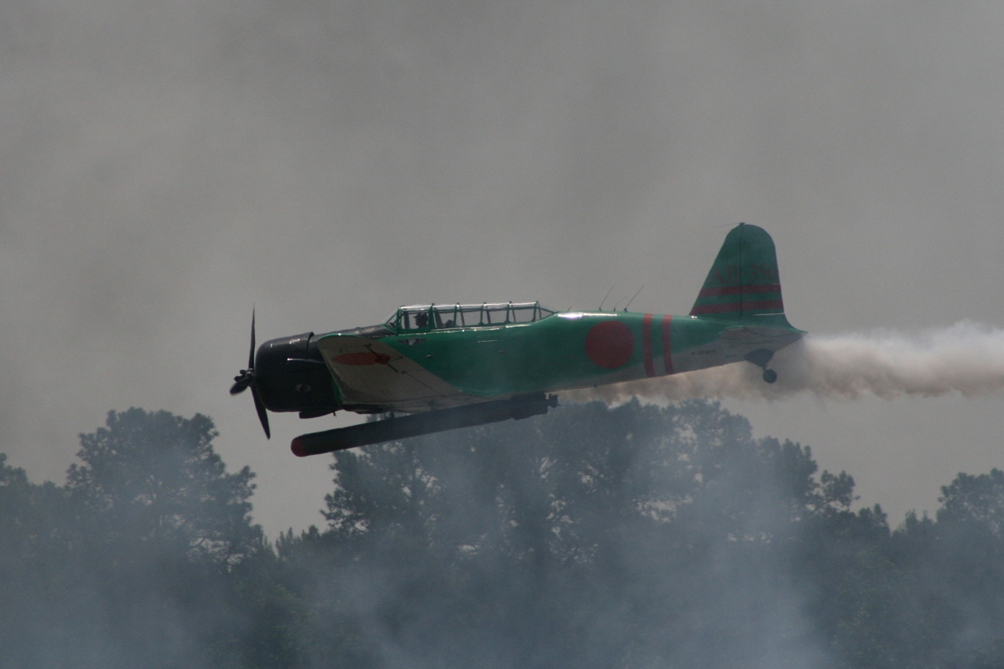
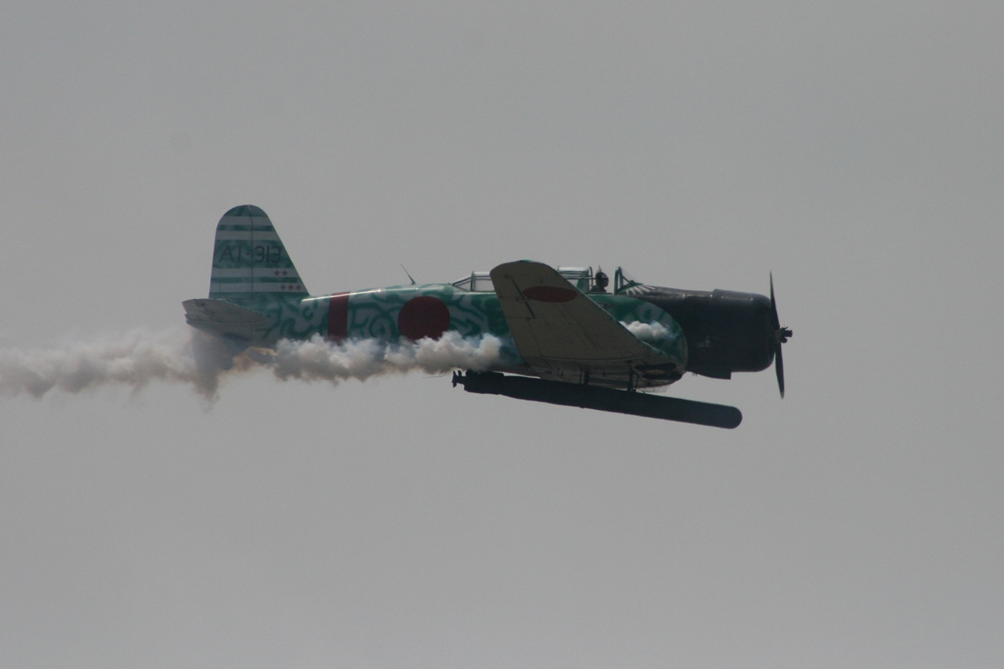
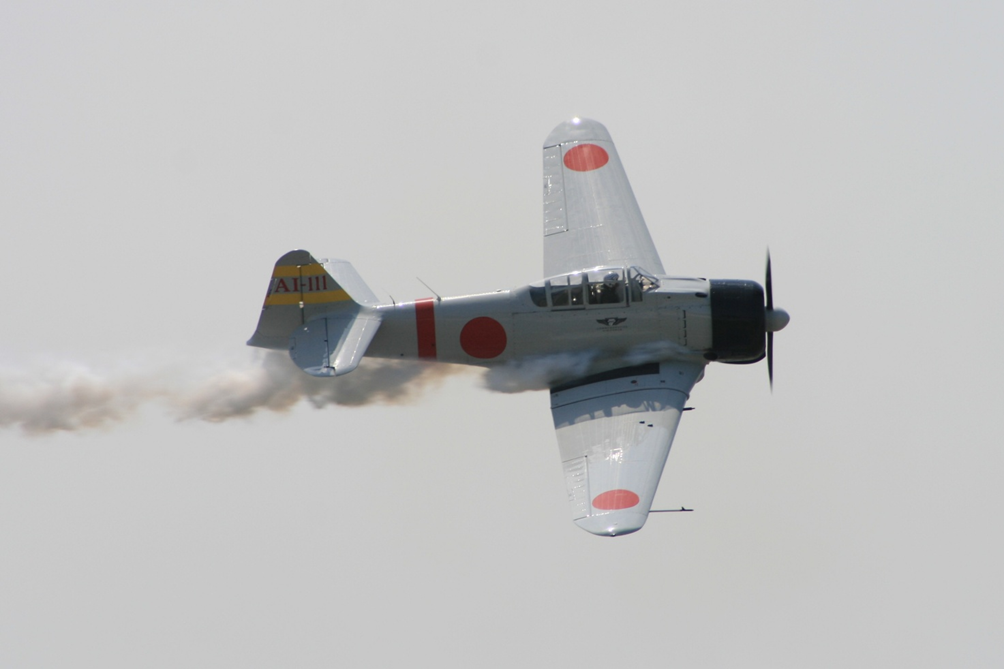
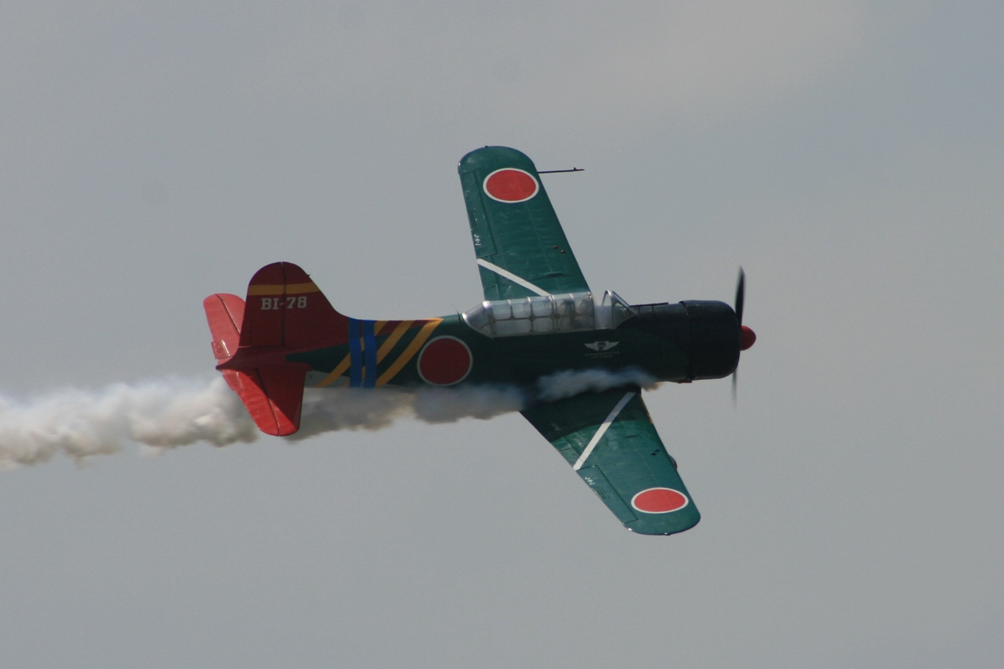
Tora, Tora, Tora! Spettacolo che riproduce l’attacco a Pearl Harborcdel 1941

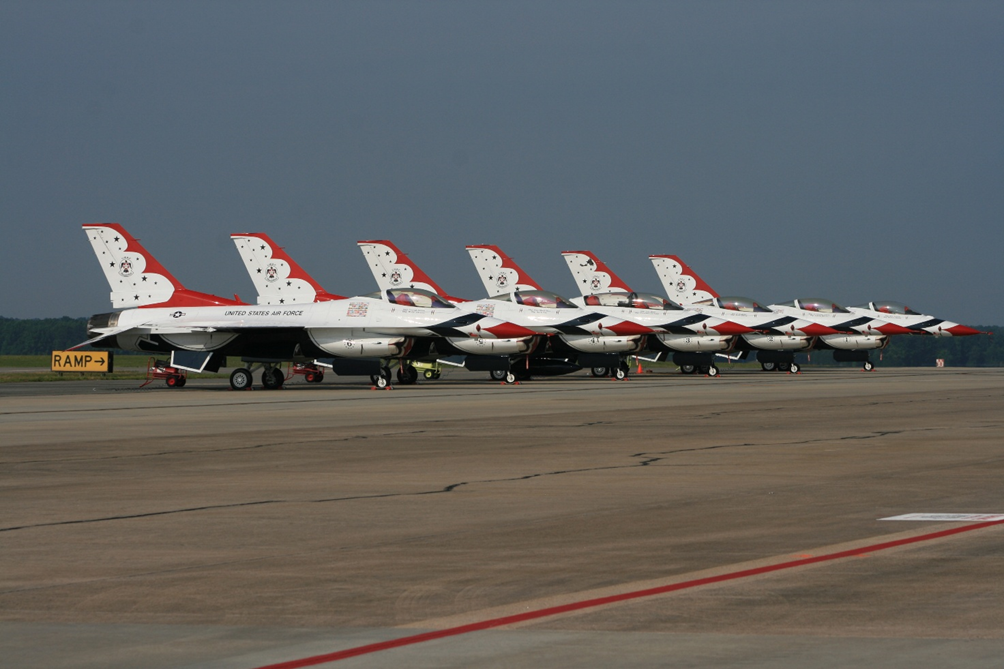
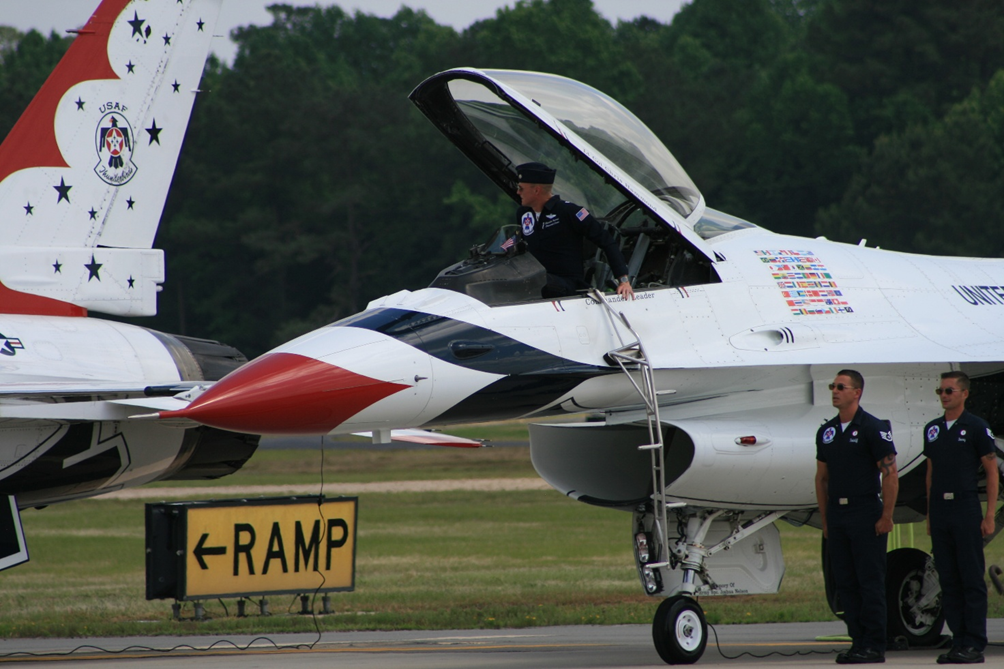
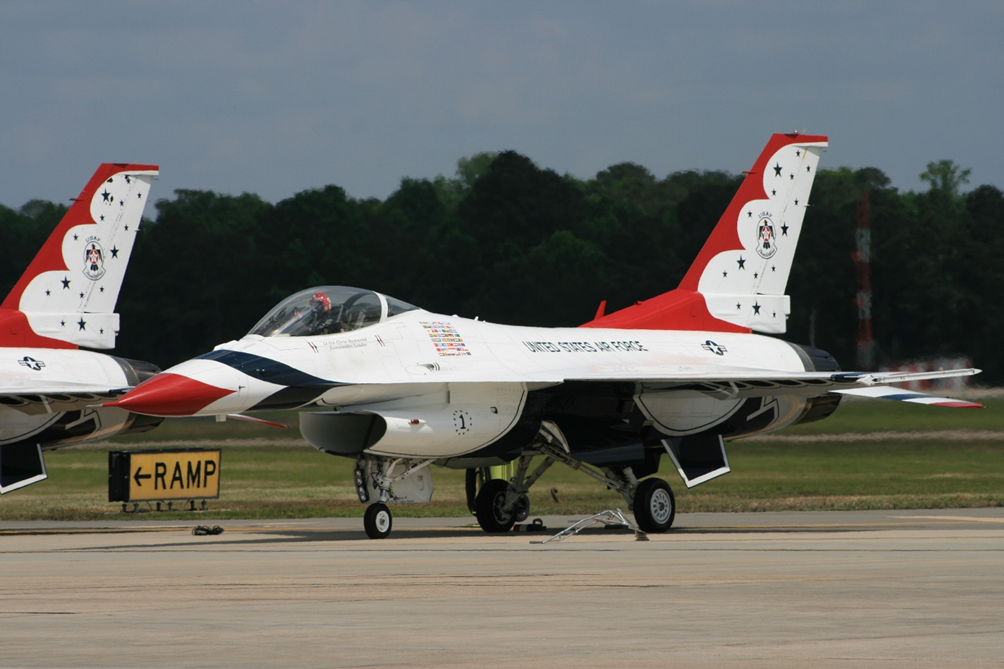
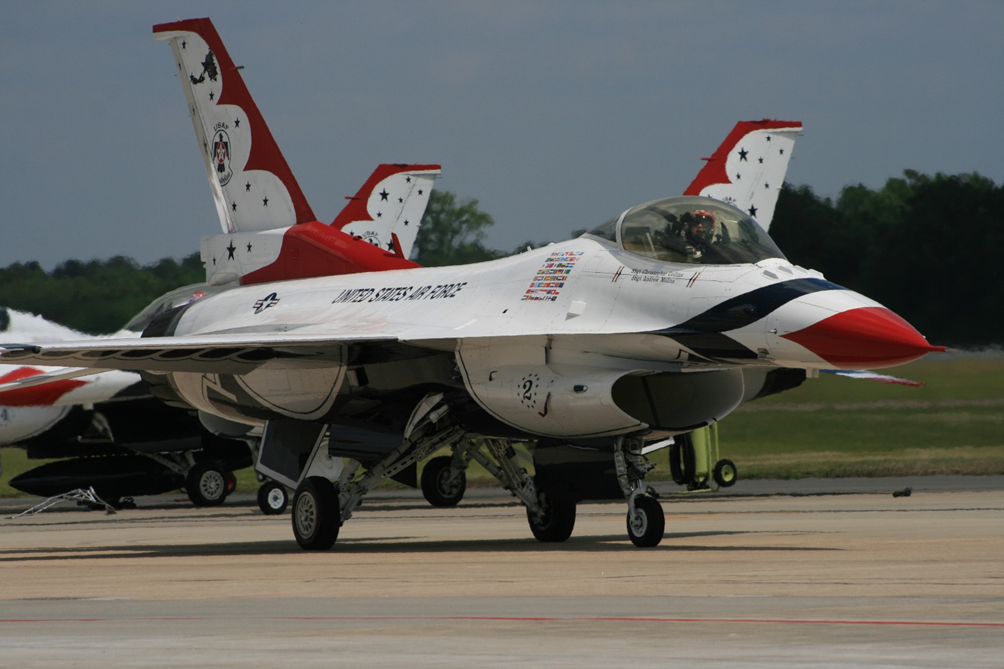
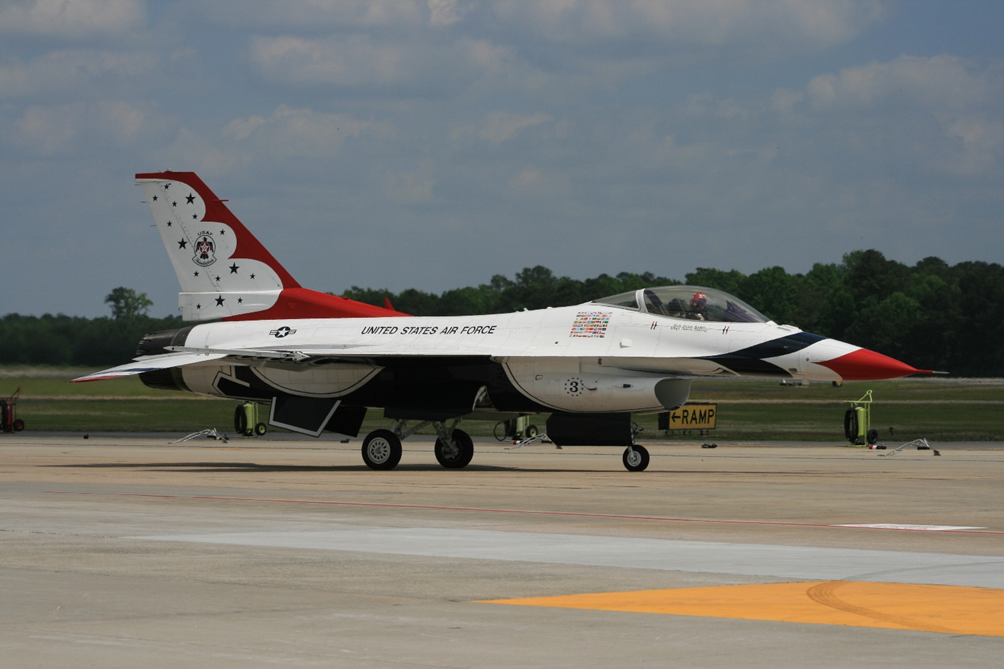
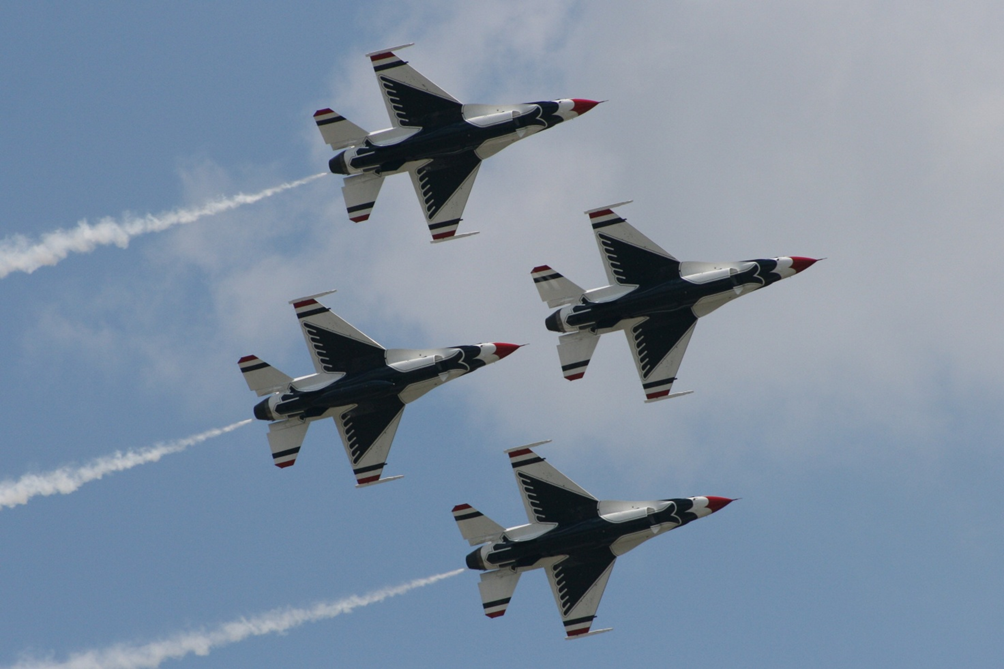
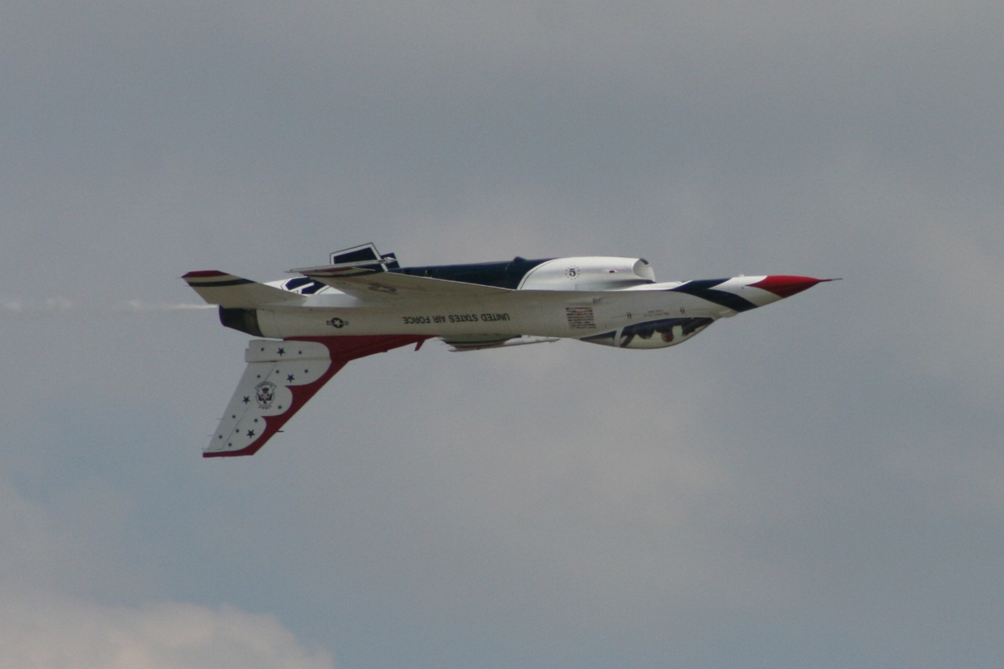
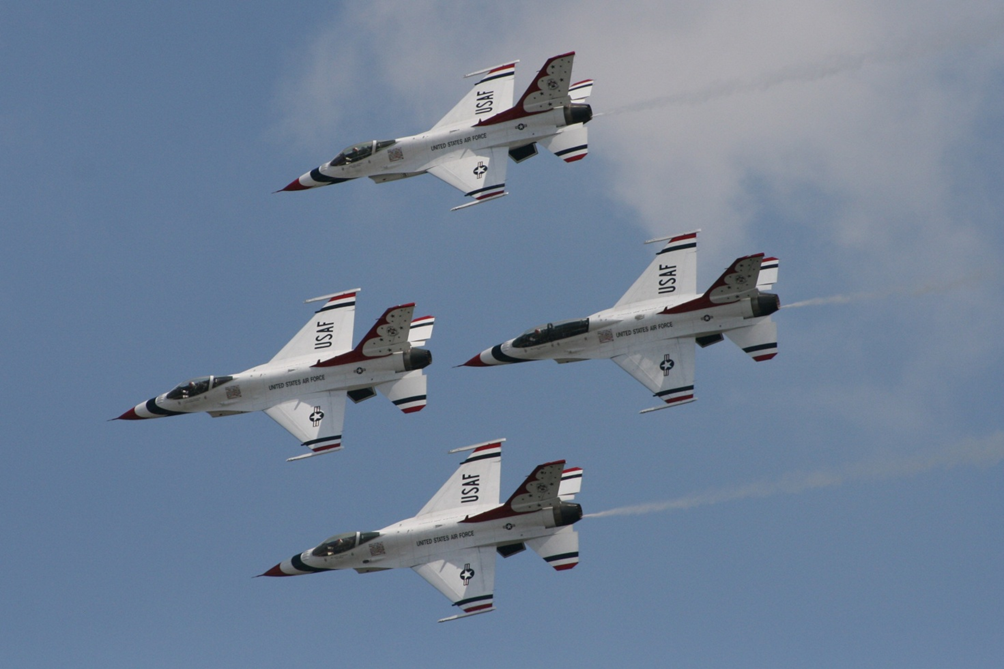
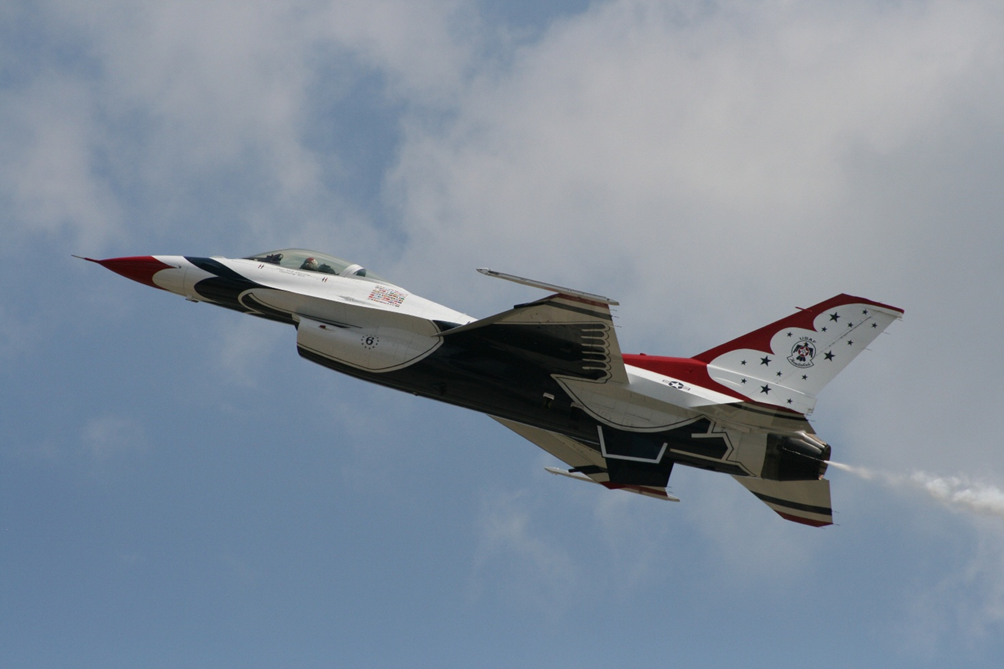
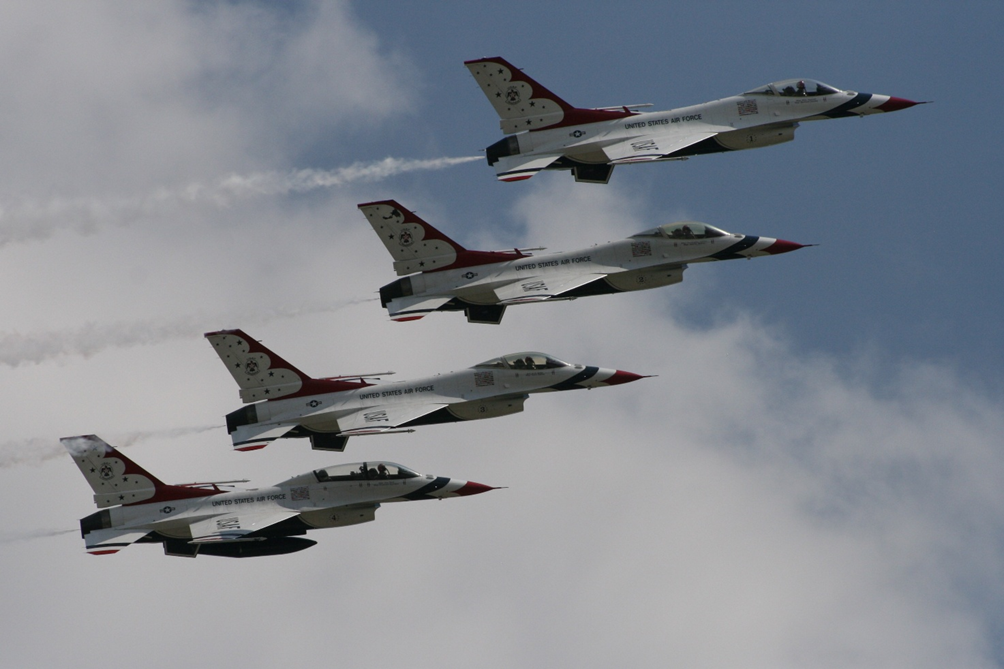
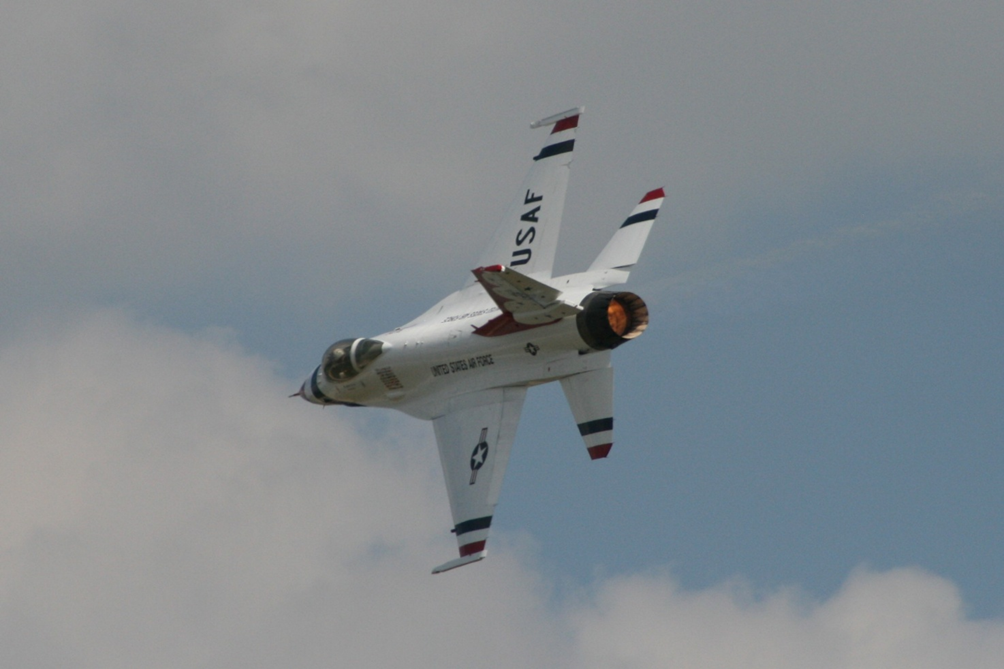
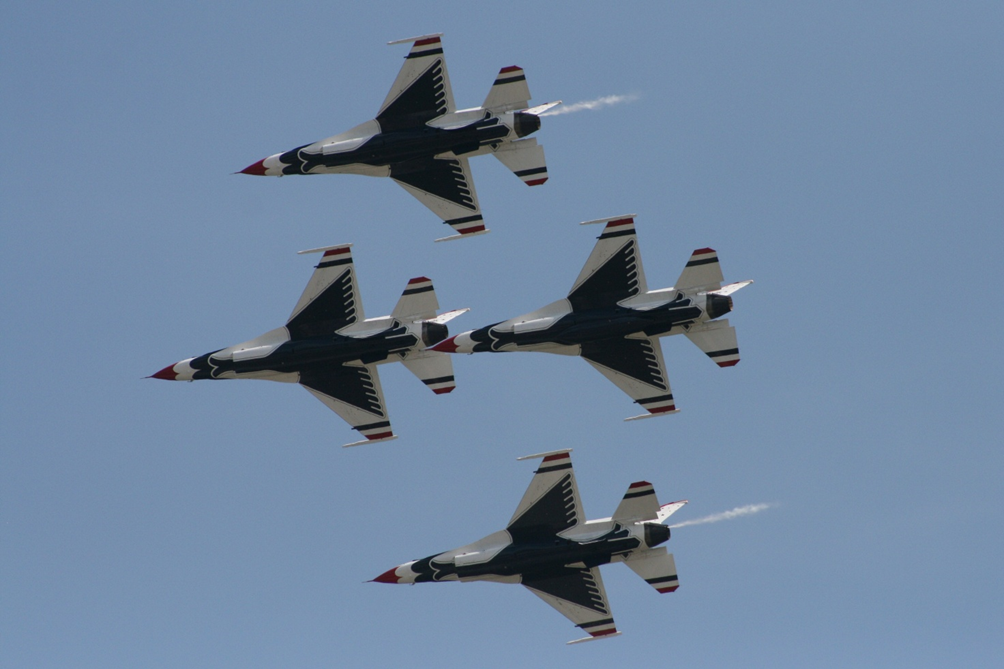
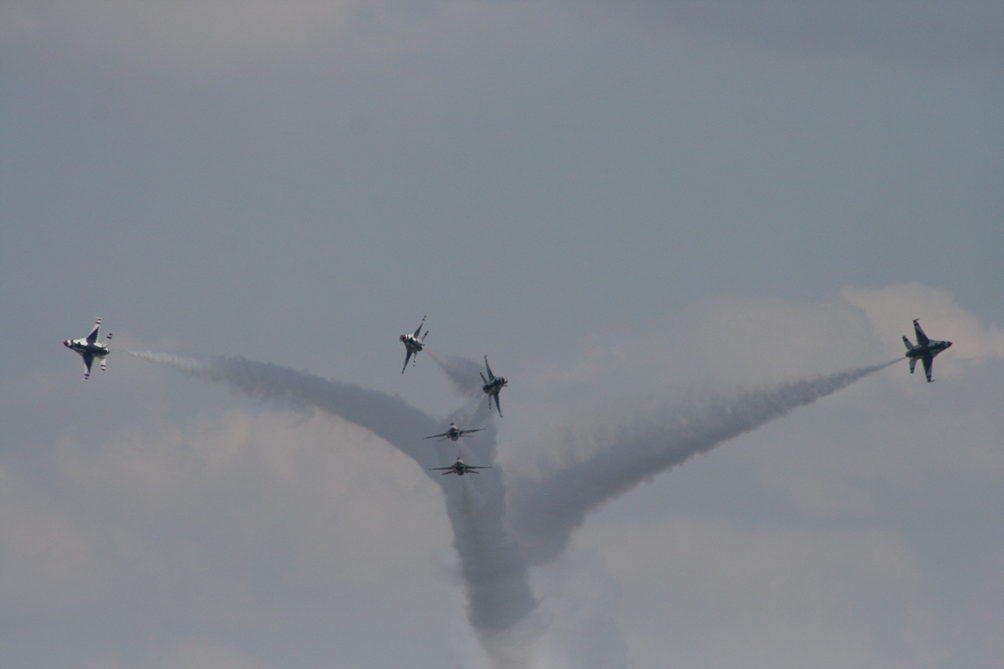
Gran Finale con i “Thunderbirds”

Seymour Jonhson AFB, NC, base of USAF 4th Fighter Wing, hosted in May 2015 the Wings Over Wayne Air Show.

The military statics included F15E, B52H, B1B, A10, T38, F22, F35A, C17, C5 from USAF and F/A18 from USMC.

Many civilian and military performers flew in the weekend, including P51, Japanese Mitsubishi replica, F15E, A10, T38, C130H.

Last demonstration of the day was performed by the USAF acrobatic Team Thunderbirds.


EN: 2015 Wings Over Wayne Air Show, Seymour Johnson AFB, NC

15 novembre 2025

(Photo and text by Massimo Vigo)

The 2015 “Wings over Wayne Air Show” was held in mid-May at Seymour Johnson AFB, North Carolina.

The base was (and still is) home to the 4th Fighter Wing with its F-15E Strike Eagles.

As with any self-respecting USAF air show, the participation of aircraft in static and in-flight displays was massive, making the process of selecting a reasonable number of aircraft and photographs very challenging.

The highlights of the static display were:

B52Hs from the 69th Bomb Squadron “Nighthawks” at Minot AFB, North Dakota

  • B1B Lancer del 28th Bomb Squadron di  Dyess AFB, Texas
  • F15E of the 4th Wing, home to Seymour Johnson AFB
  • F22 del 1st Fighter Wing di Langley AFB, VA
  • E3 Sentry del 964th Airborne Air Control Squadron, 552nd Air Control Wing di Tinker AFB, Oklahoma
  • F/A18F del Marine Fighter Attack Squadron 224 (VMFA-224) “Fighting Bengals”, di MCAS Beaufort, South Carolina
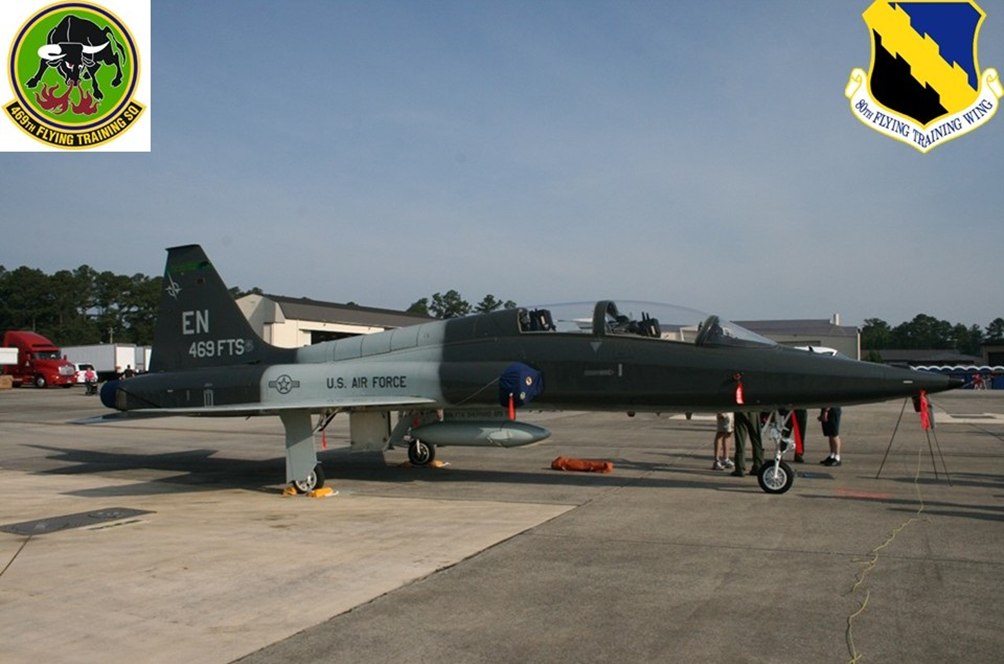
  • T38C of the 80th Flying Training Wing (Air Education and Training Command training) at Sheppard AFB, Texas.
  • T-38As of the 2nd Fighter Training Squadron (aggressor for F-22 pilot training), 325th Fighter Wing at Tyndall AFB, Florida

The air show was opened by the Black Daggers from Fort Bragg, NC.             

The selection of in-flight presentations:

  • F15E del 4th Fighter Wing

A10 del 476th Fighter Group (Air Reserve Component) di Moody AFB (Georgia)

P51

Tora, Tora, Tora! A show reenacting the 1941 attack on Pearl Harbor.

Gran Finale con i “Thunderbirds”

Seymour Jonhson AFB, NC, base of USAF 4th Fighter Wing, hosted in May 2015 the Wings Over Wayne Air Show.

The military statics included F15E, B52H, B1B, A10, T38, F22, F35A, C17, C5 from USAF and F/A18 from USMC.

Many civilian and military performers flew in the weekend, including P51, Japanese Mitsubishi replica, F15E, A10, T38, C130H.

Last demonstration of the day was performed by the USAF acrobatic Team Thunderbirds.


TLP 2025-3 – Iberian trip, second episode

7 novembre 2025

(photos and text by Angelo Bottazzi)

Pursued by Tropical Storm Gabrielle, which was lashing the Portuguese coast, we began the long journey of more than eight hundred kilometers that would take us from Beja to Albacete, in the region of La Mancha, where we intended to attend the final week of the TLP Comao Flying Course 3-2025. Halfway there, we stopped for a quick lunch at a country inn, a fatal mistake, because all four of us contracted food poisoning from spoiled food that would remain with us for the first two days of the week.

When we reach Albacete, it’s not raining, but the dark clouds are an unbroken blanket, hovering low above us! It will be like this for the next two days: oppressive skies with omnipresent clouds at low altitudes, icy winds, and reports of catastrophic flooding in other parts of Spain.

In the meantime, we have the chance to watch Monday’s short morning mission, while the afternoon mission of the course has been canceled. We’re off to a great start! On Tuesday, they fly both morning and afternoon, but the music is always the same: a suffocating ceiling with a few brief glimpses of sunshine, but never in the sky above the base. By evening, our morale has sunk, and the forecast calls for cloudy skies all week, due to the Mediterranean vortex that has formed precisely in this area of ​​the Iberian Peninsula.

Let’s take a step back. At the beginning of the year, I had promised myself I would photograph our Navy’s aircraft properly. I had followed them wherever I heard of their presence, first in Jesolo and then in Ghedi, but the result had left a bitter taste in my mouth. I would have liked to have done more and, above all, better.

When I learned of their massive turnout at the TLP in early September, which I’d already planned to attend, thanks in part to its coincidence with the Tiger Meet, I’d hoped my dream would come true. But now that I have them within range of my target, just as I’d hoped, the weather is relentless. Is it the curse of the Wolves? No, it’s the spotter’s revenge. The next morning there’s not a cloud in the sky, and it won’t be that way until the end of the week. Now I really feel like Little Red Riding Hood’s hunter! 

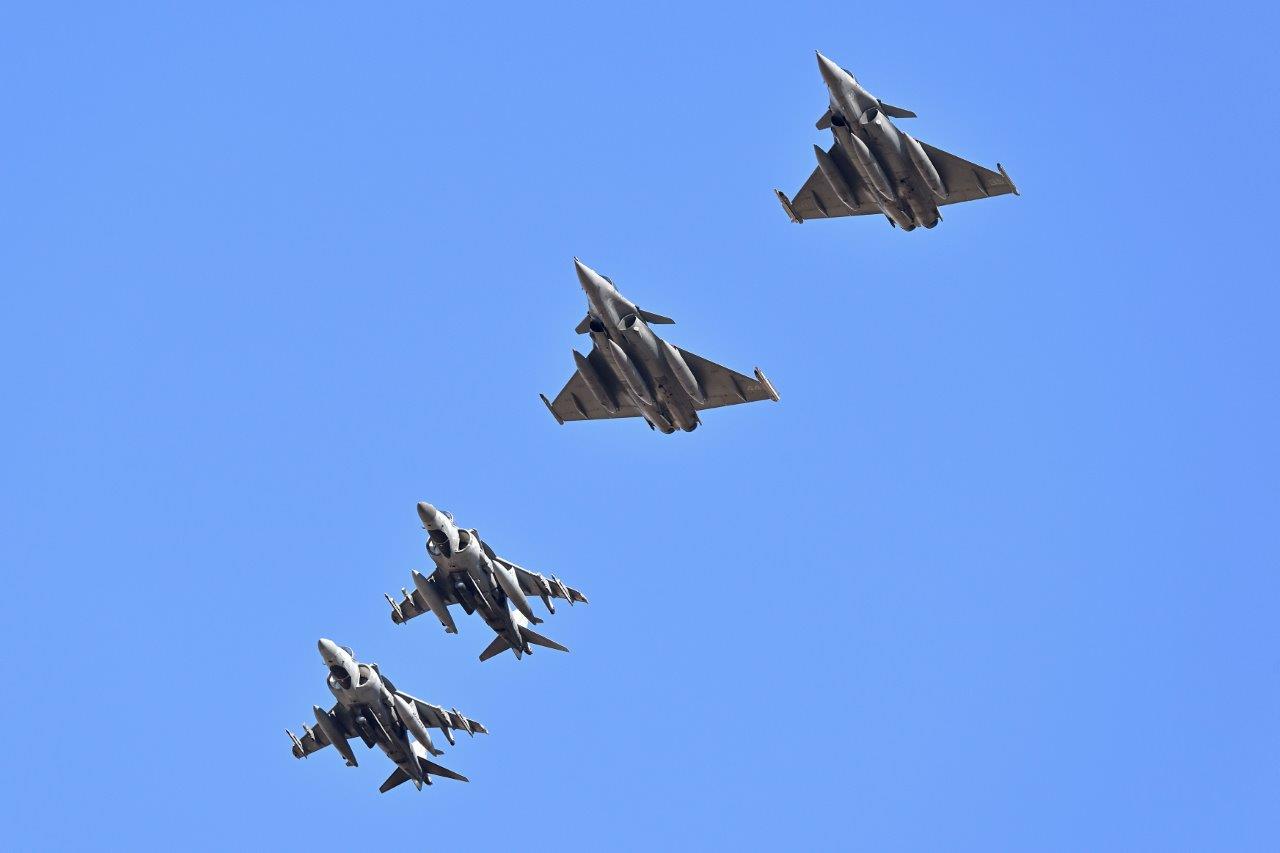
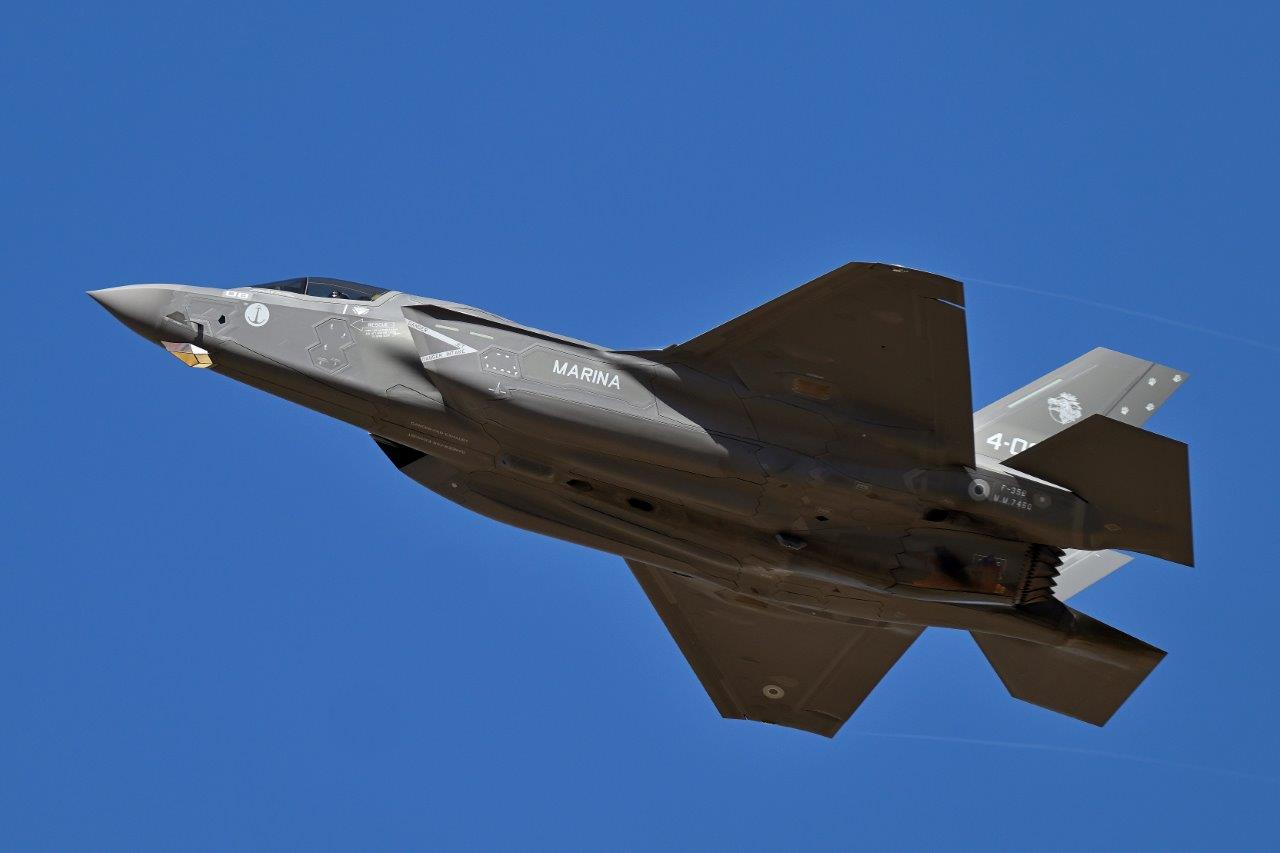
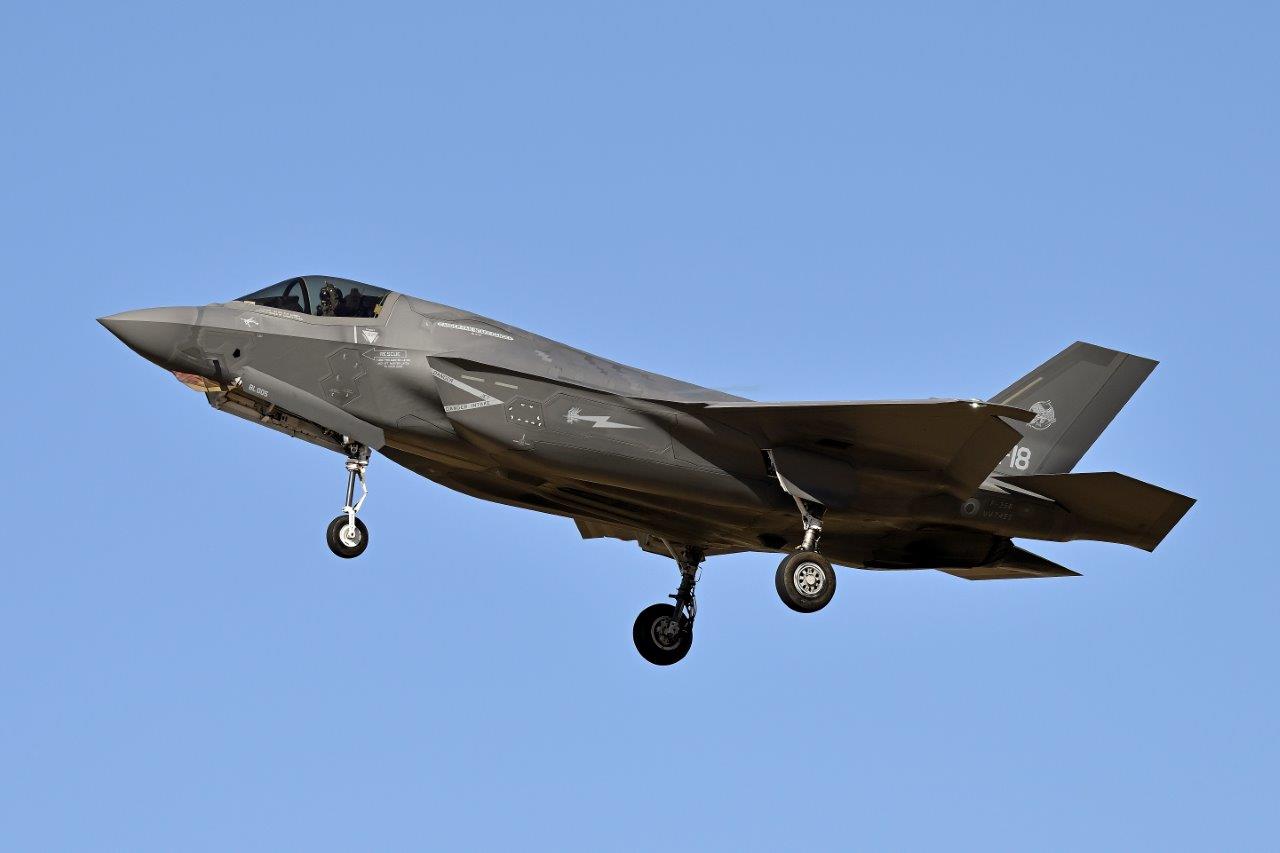
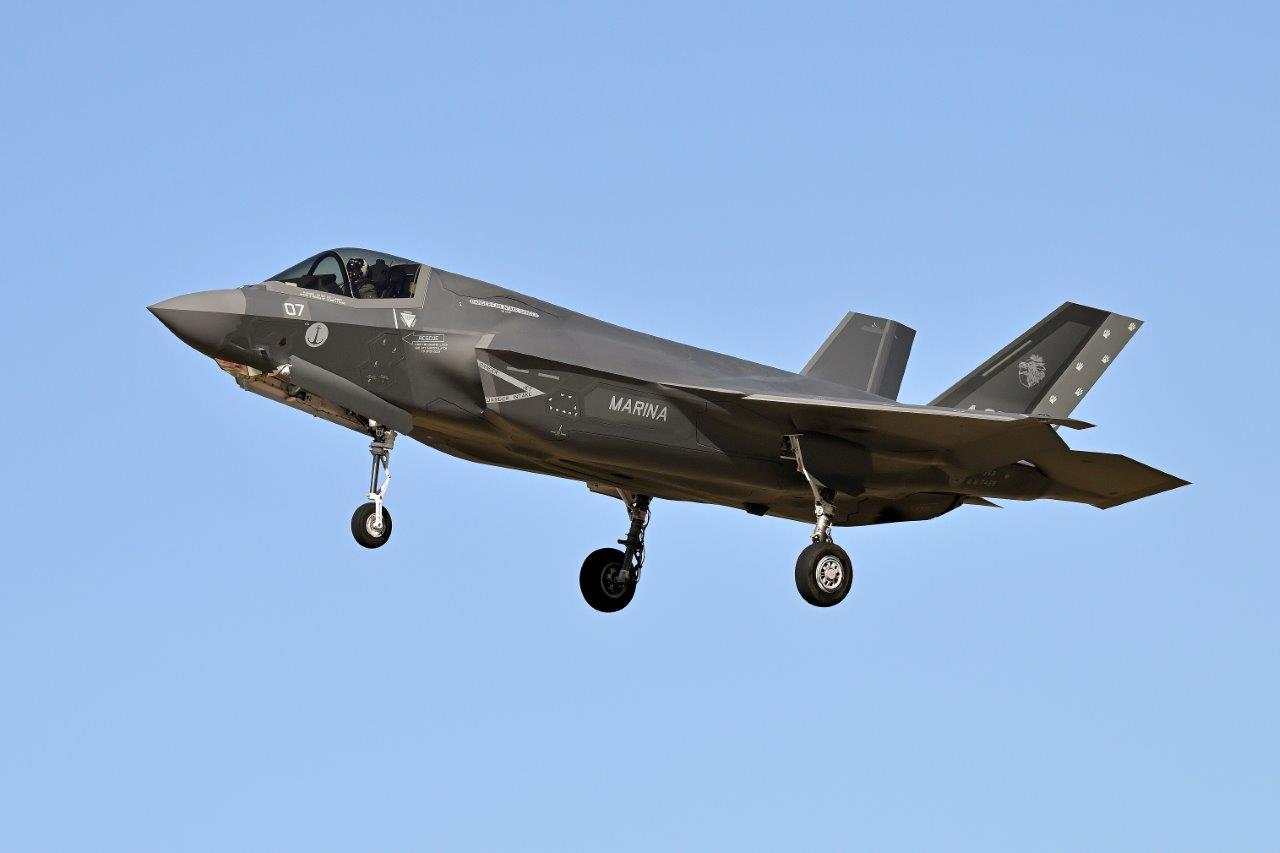
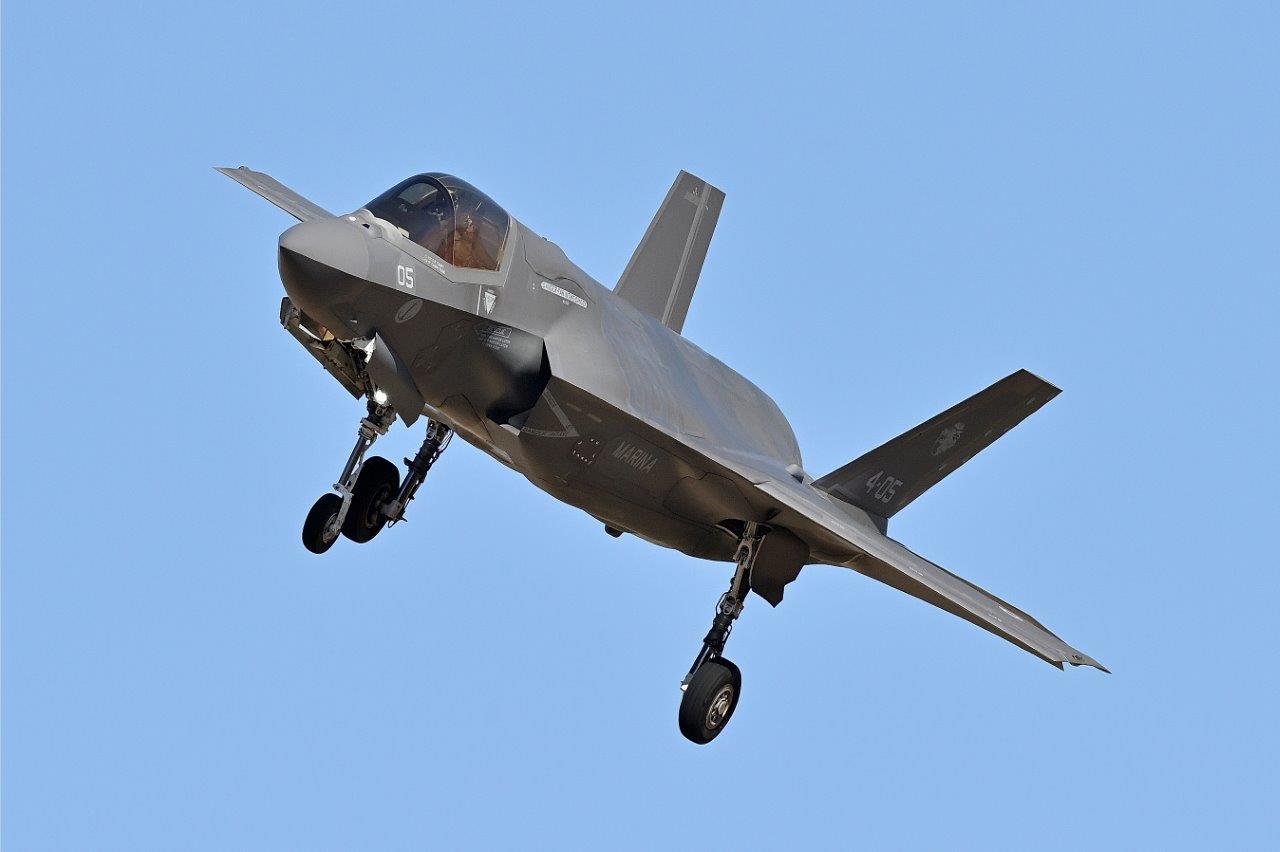
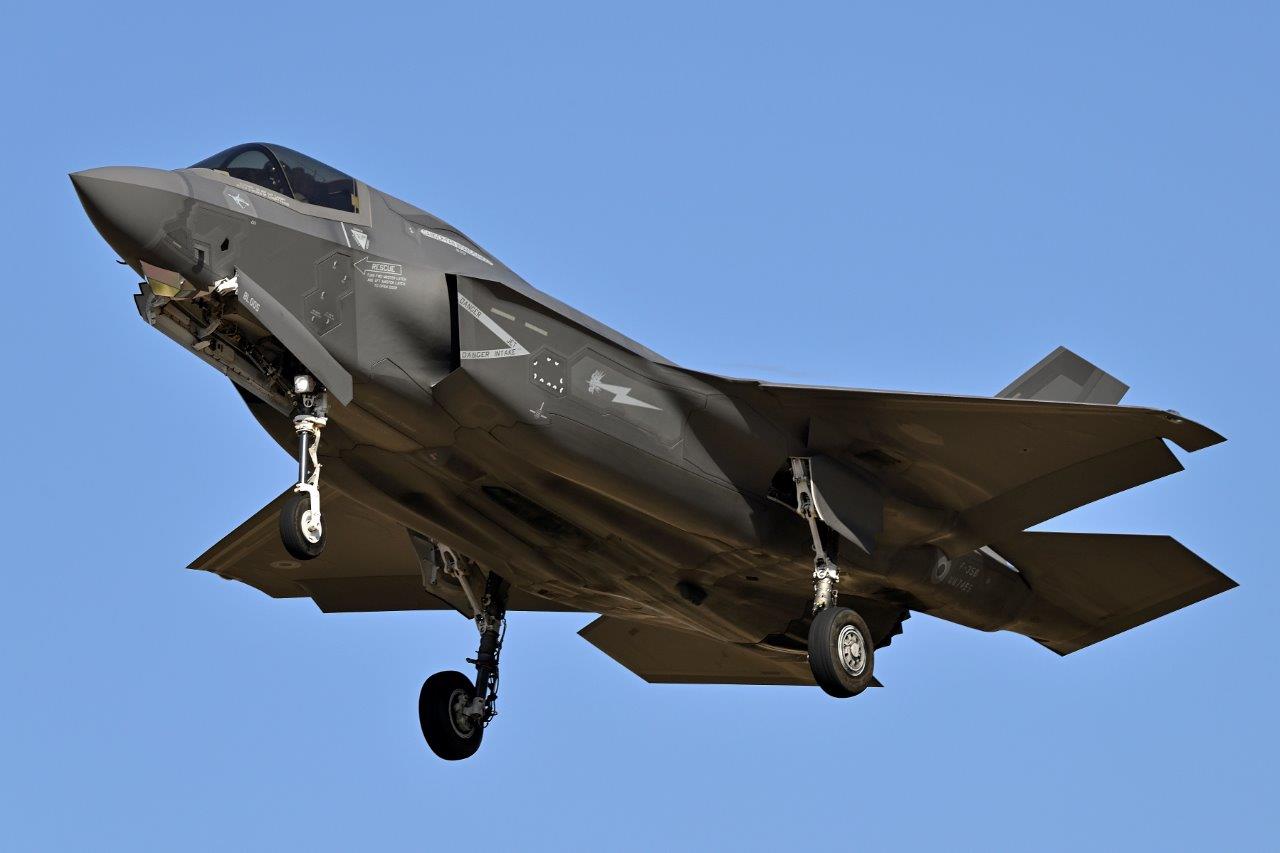
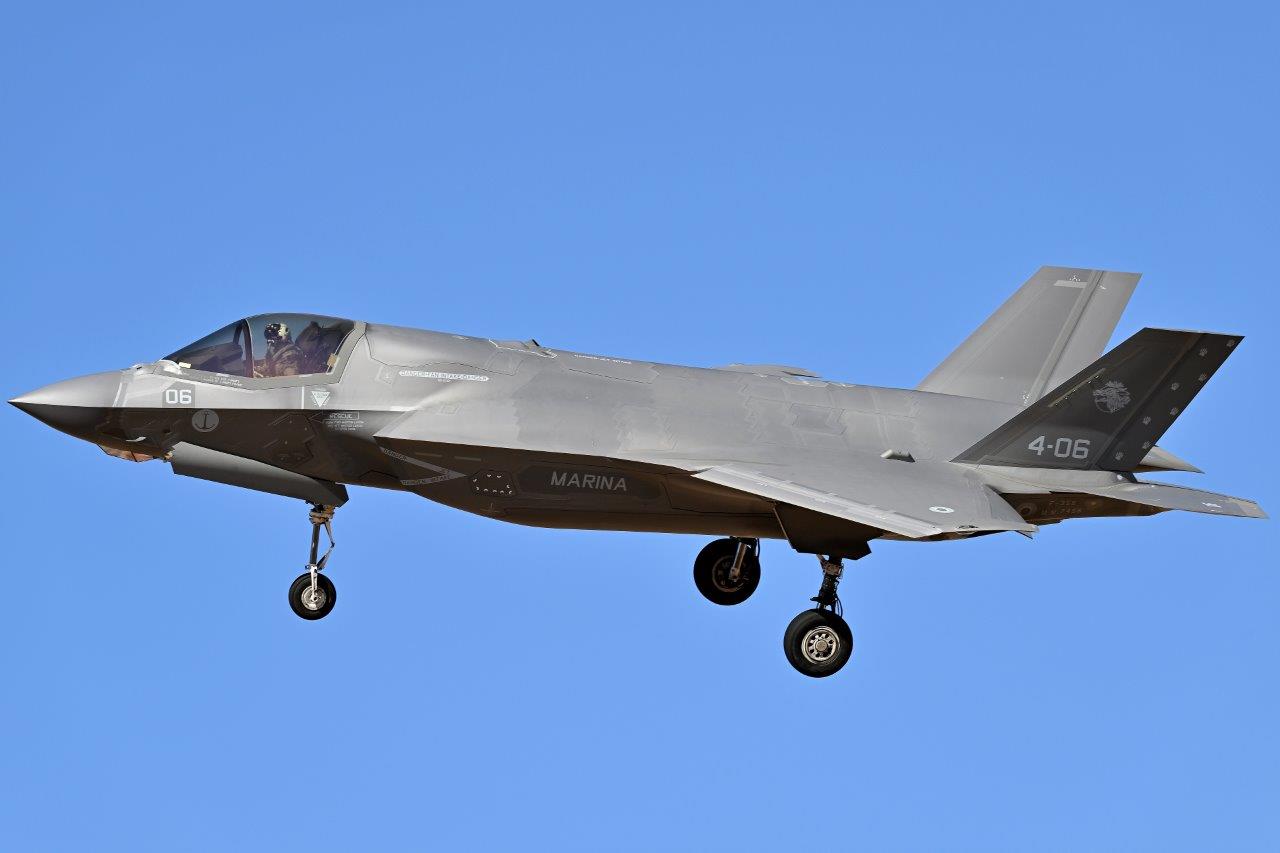
This TLP course is a very “naval” course, in fact there are: five F-35B

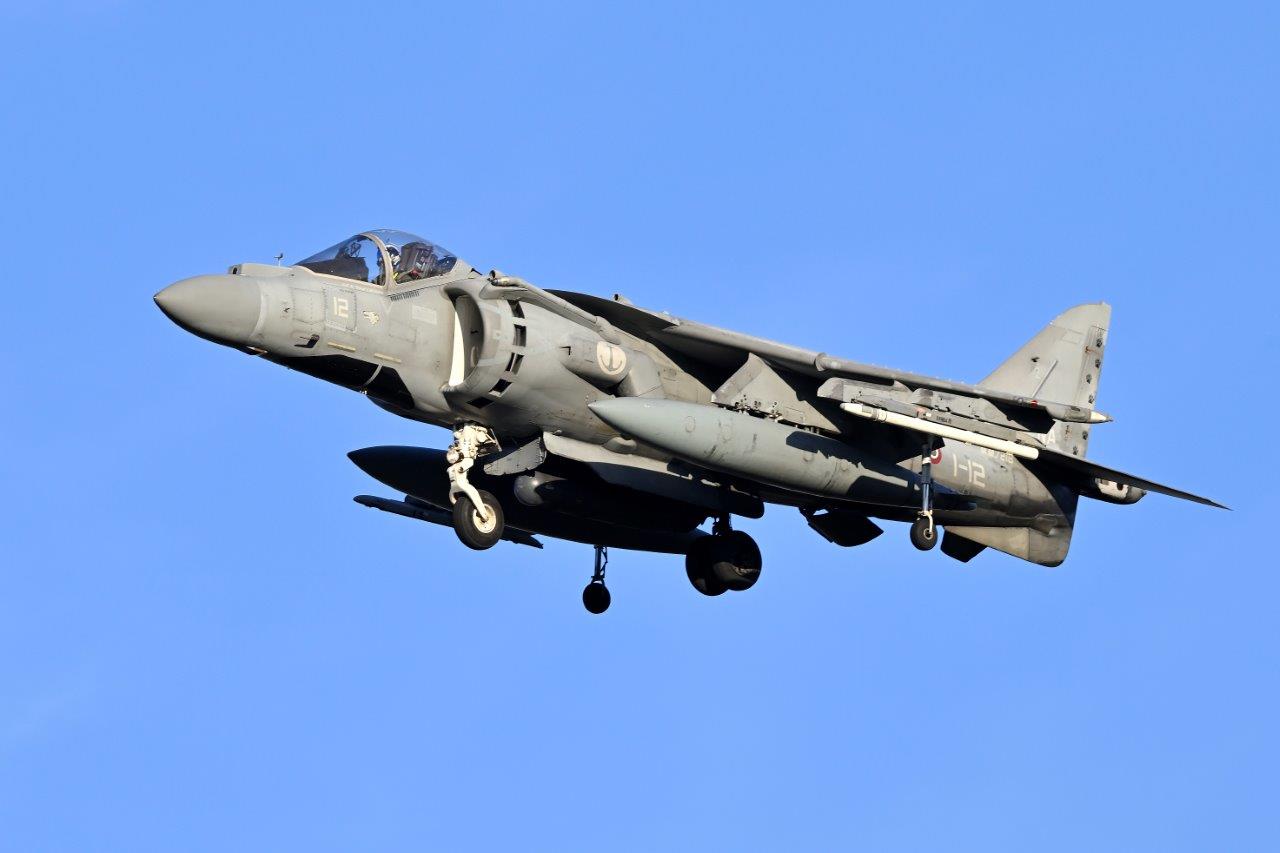
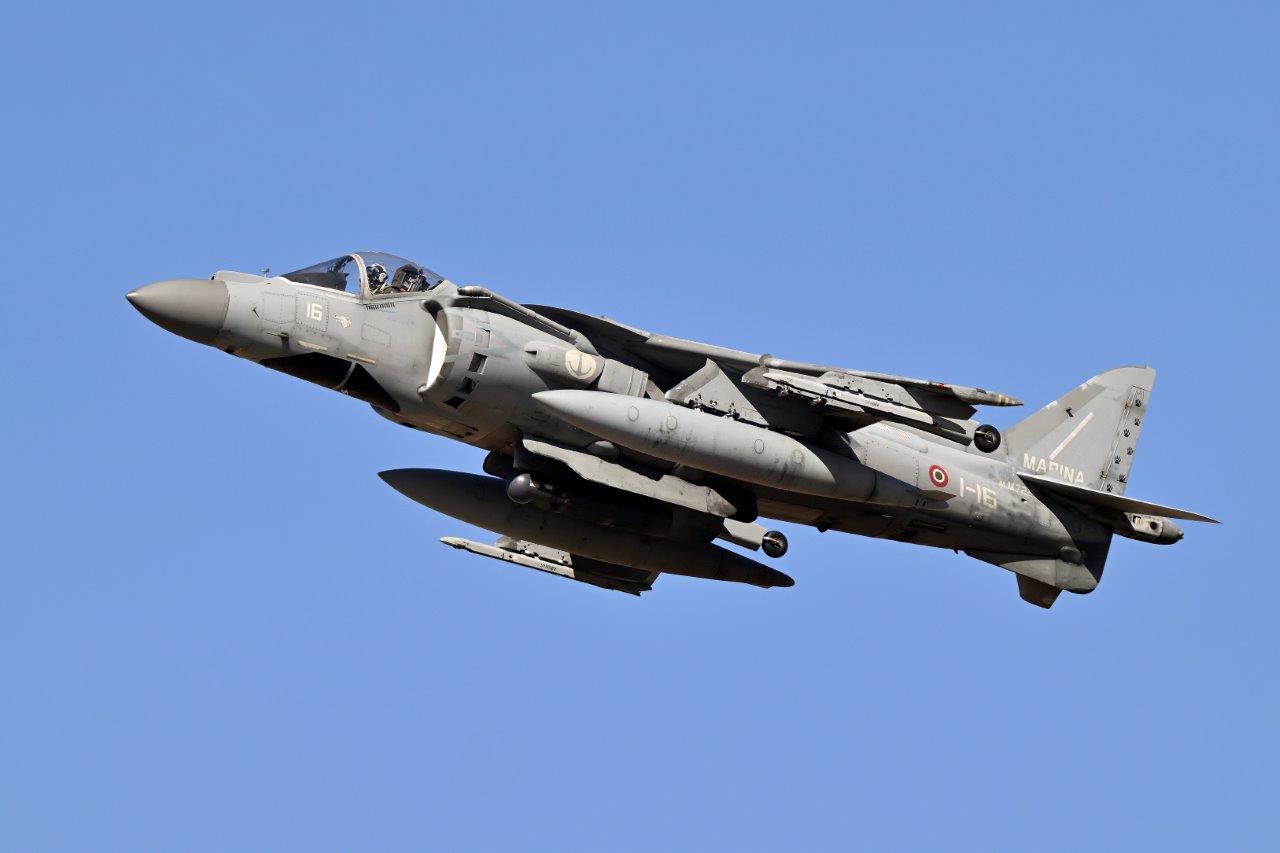
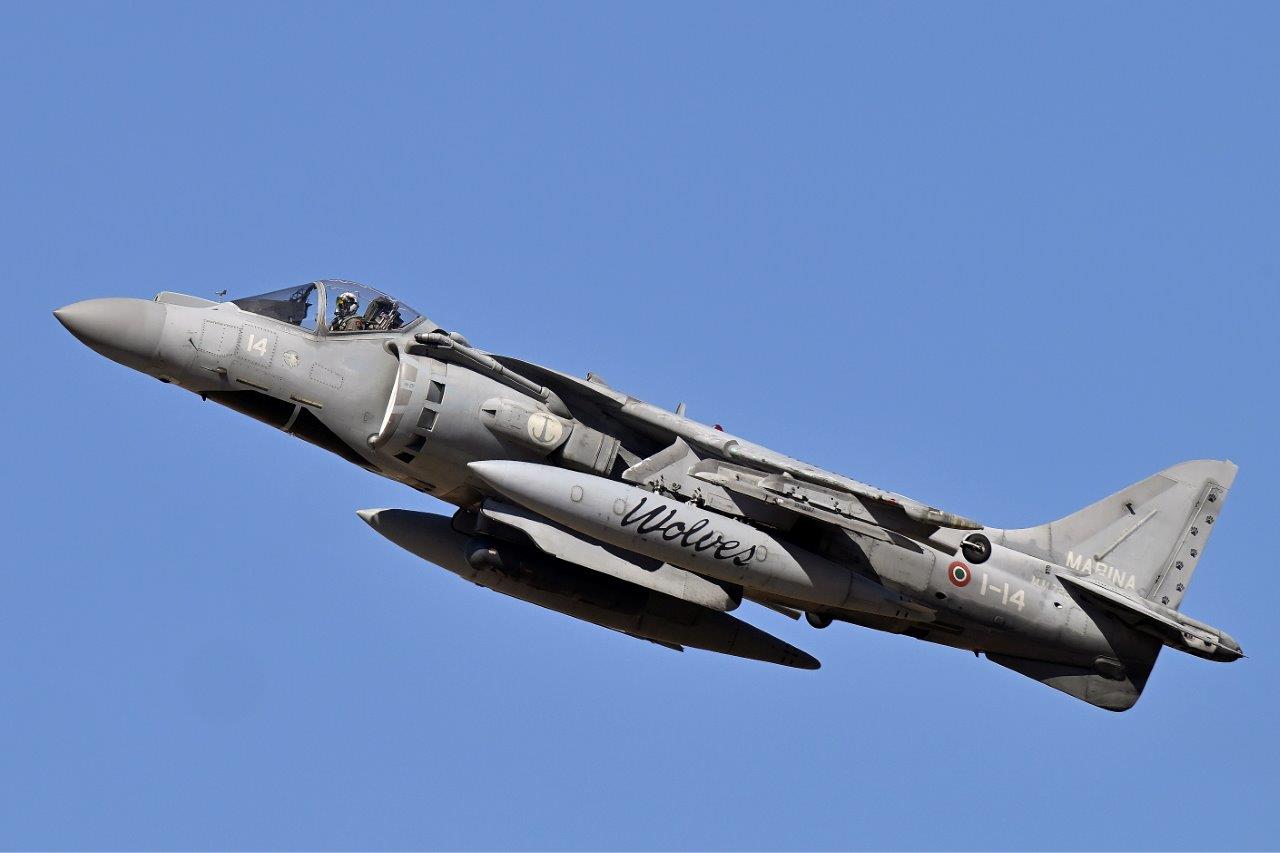
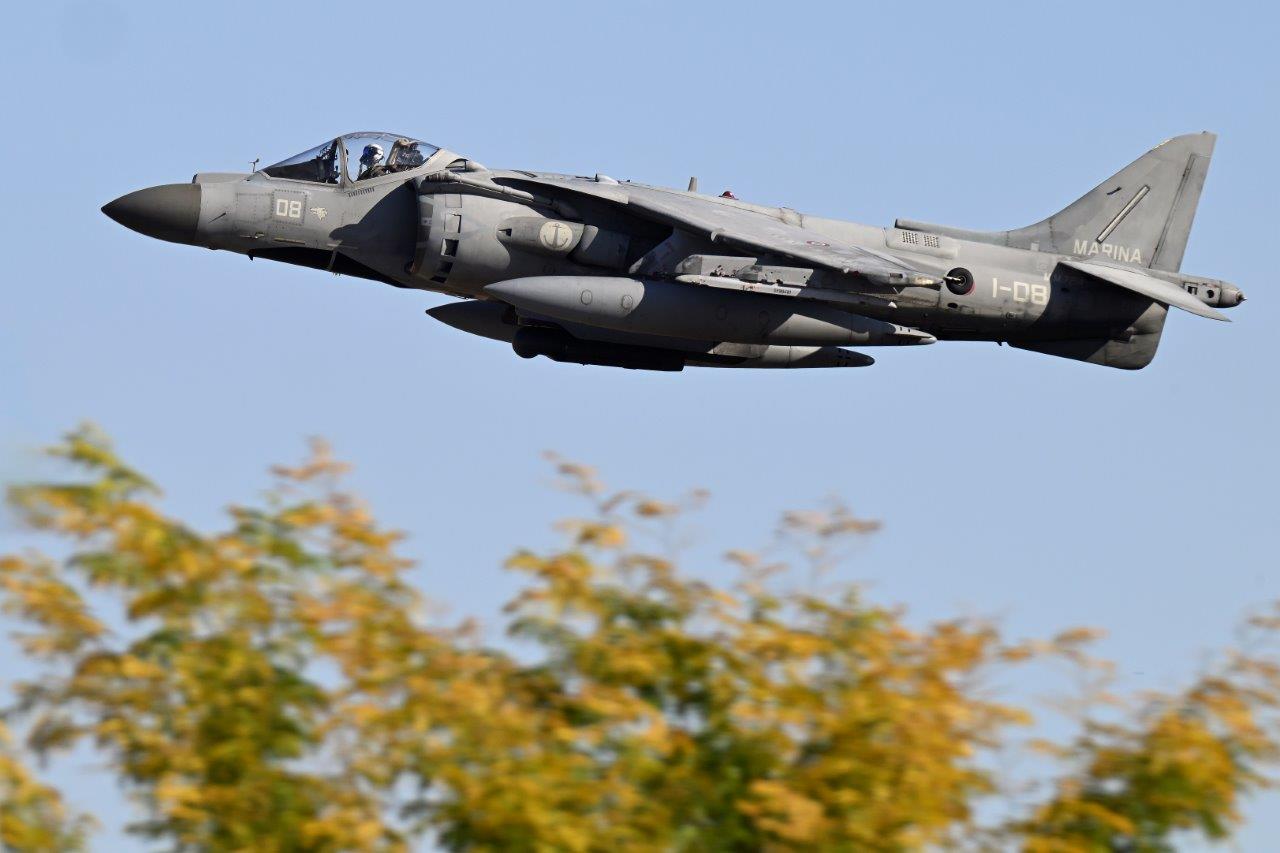
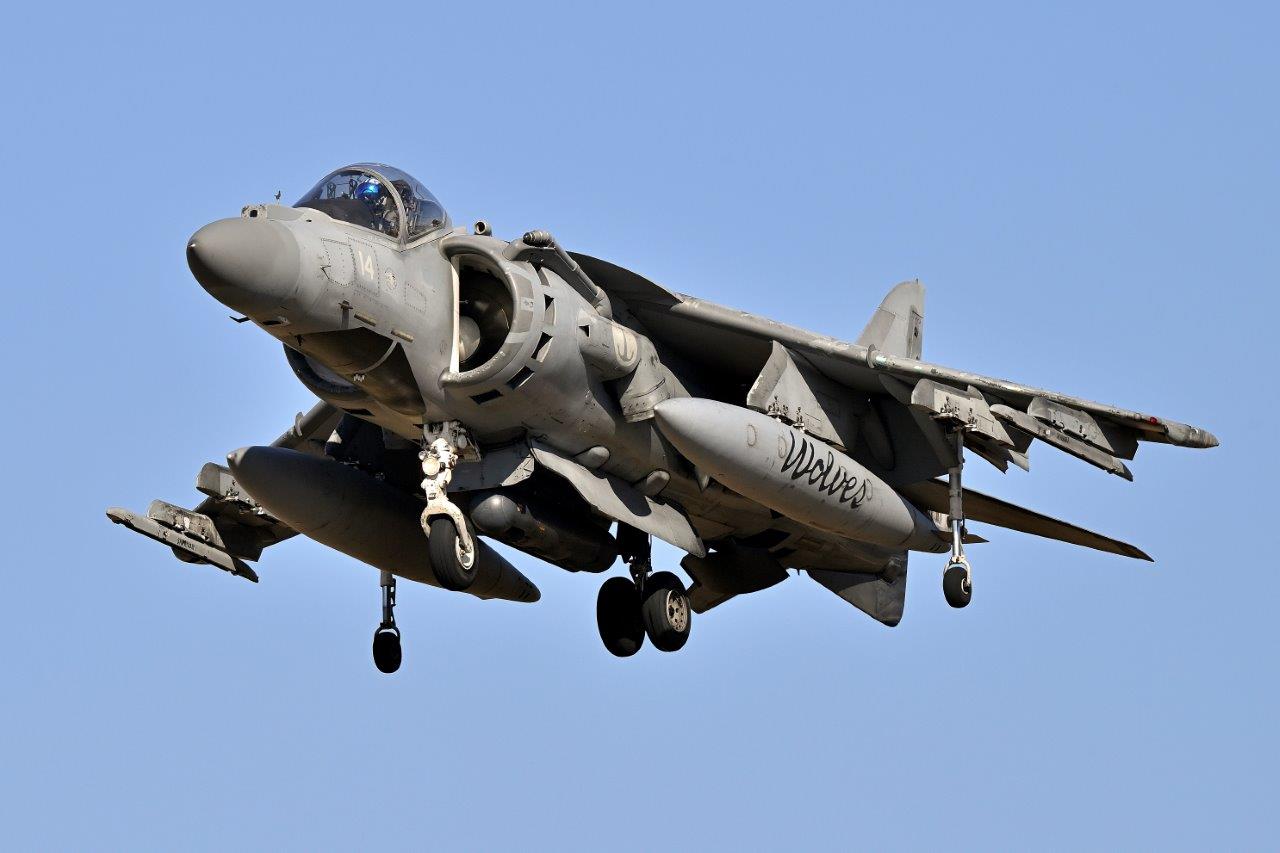
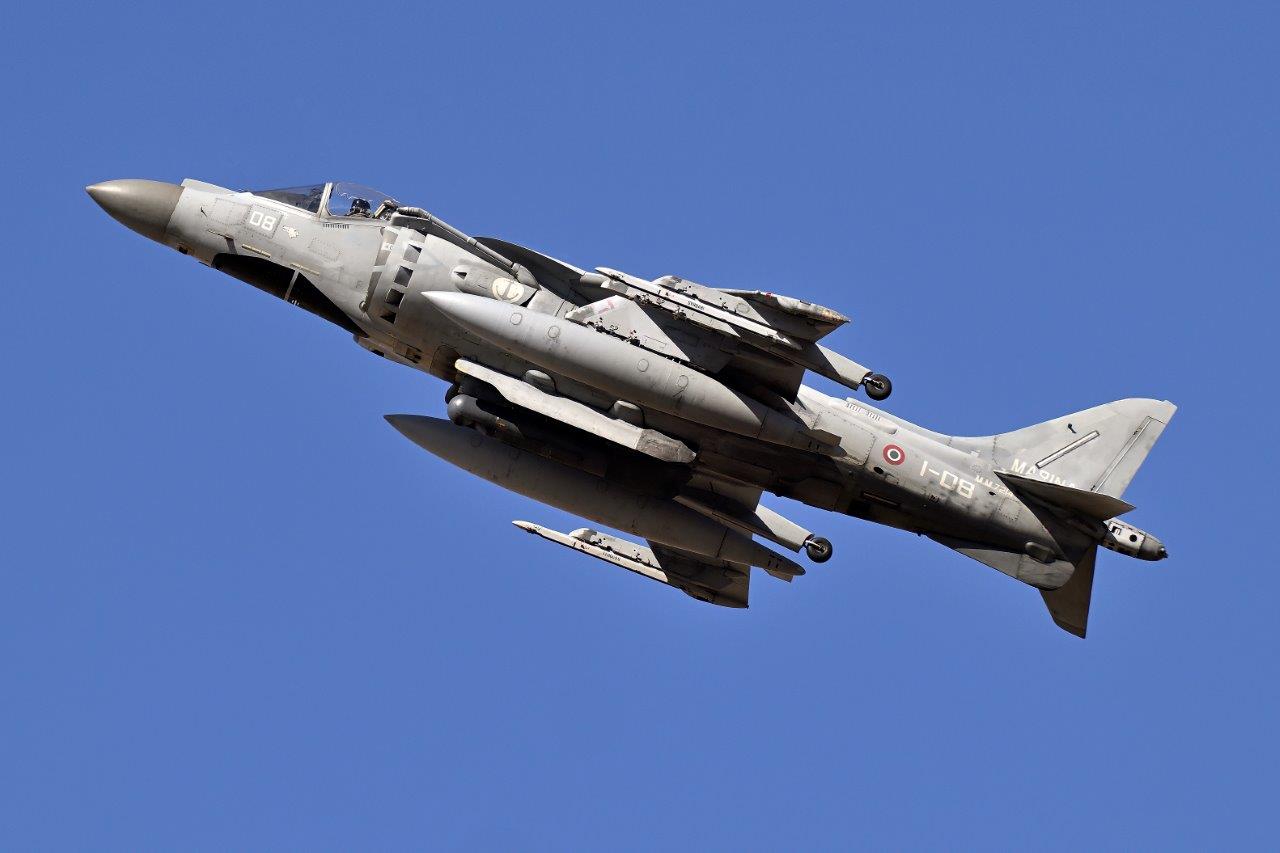
and five AV-8B Harrier II+ of the Navy

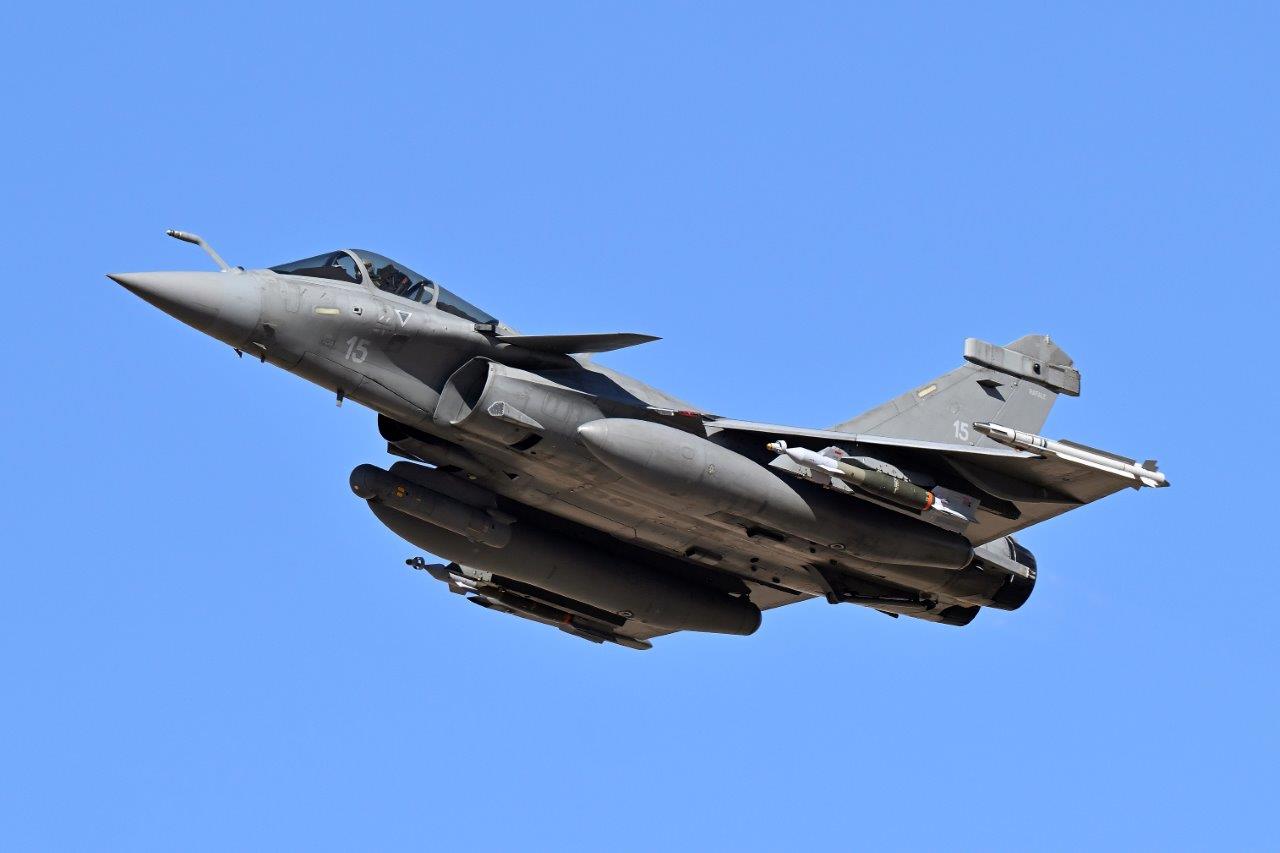
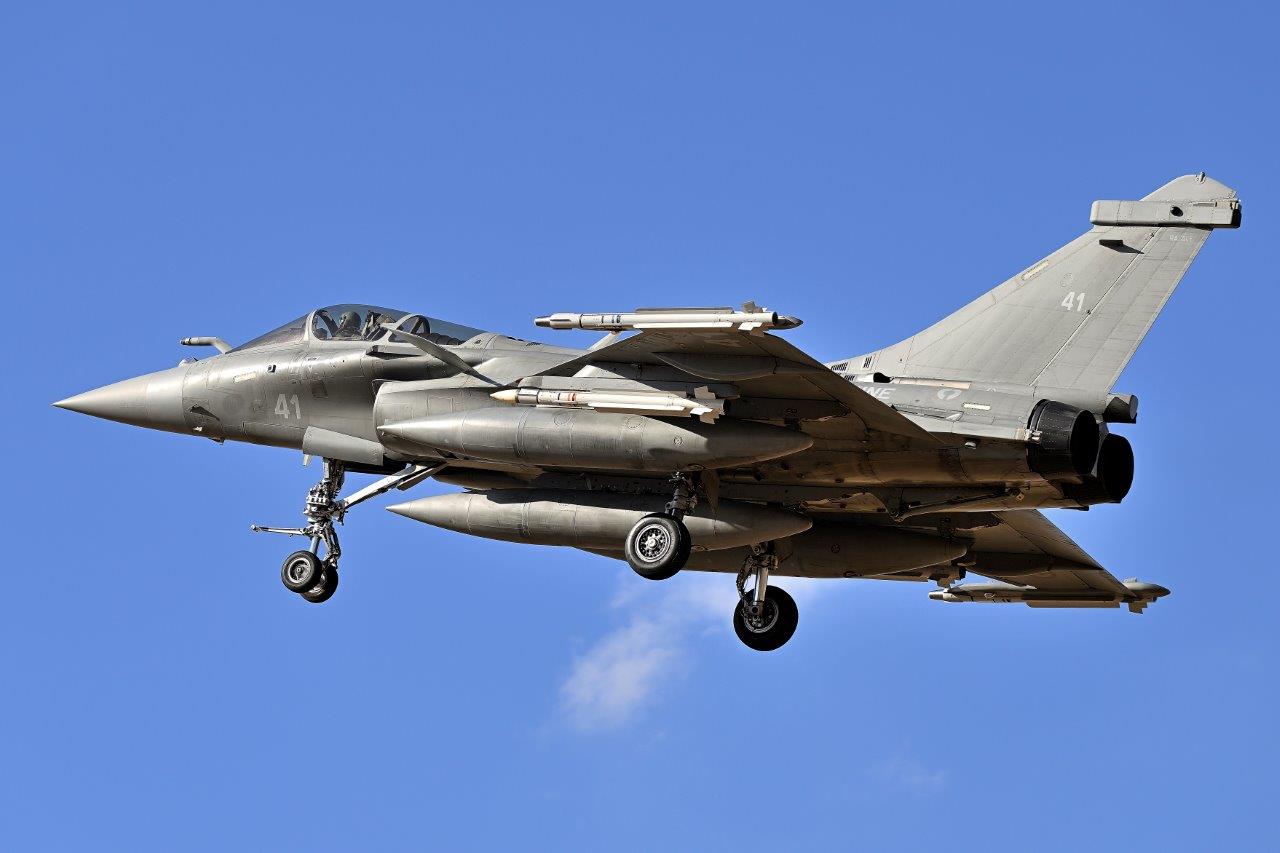
Six Rafale M aircraft from Flotille 12F of the French Naval Air Force based in Landivisiau were also scheduled to participate; two Spanish Navy Matadors were also expected, but we didn’t see them; perhaps they were operating directly from the aircraft carrier.

The naval vocation of this TLP was confirmed by the presence of the P-72A MPA, the Italian Air Force’s multi-role maritime patrol aircraft, which participated in all of the afternoon’s missions.

New, compared to our previous experiences here, is the presence of the Boeing E-3F Sentry of the Armee de l’Air stationed at BA 702 in Avord.

Other participating units were: two F35As from the 6th Wing 154th Group of Ghedi, and two F35Bs from the 32nd Wing 101st Group based in Amendola,

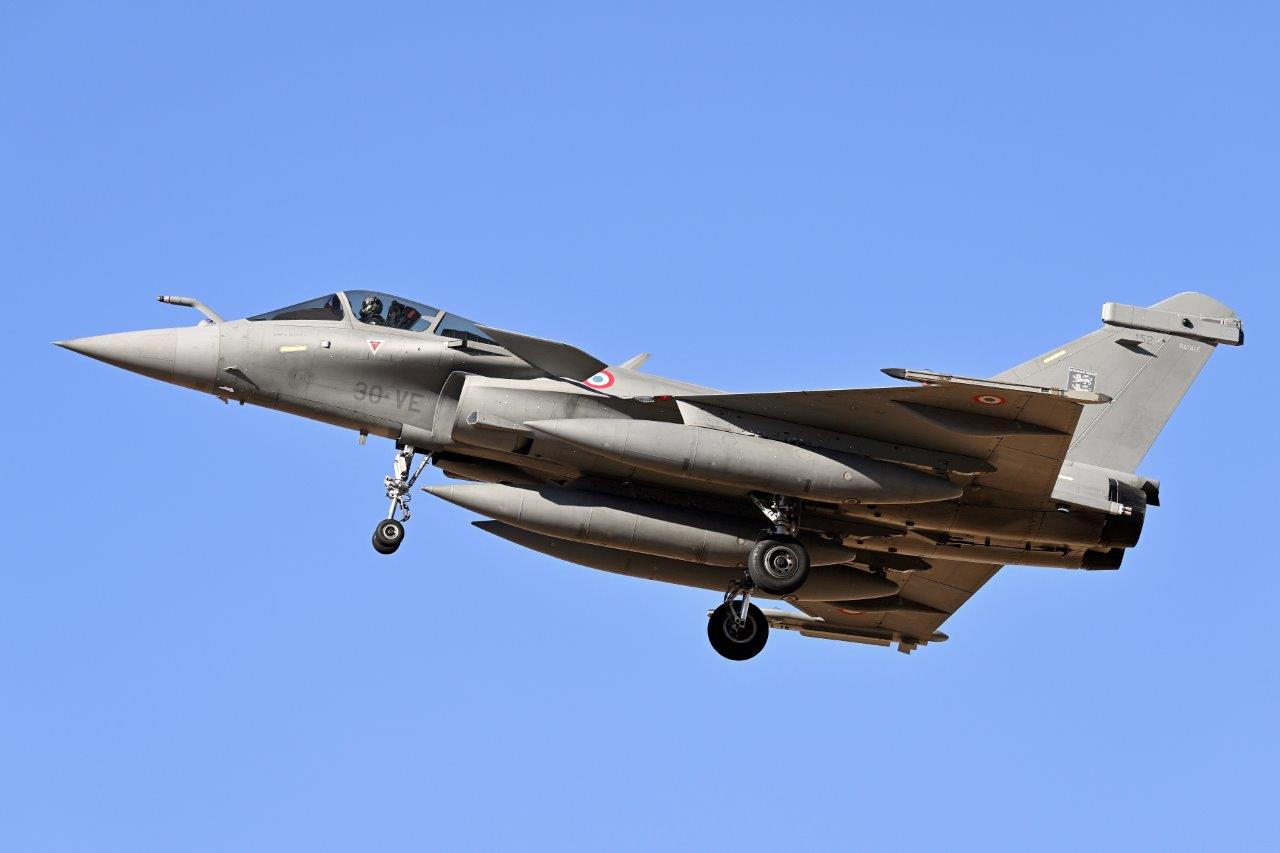
the French were also present with two Rafale Cs of the EC 2/30 Normandie Niemen based at BA118 of Mont de Marsan,

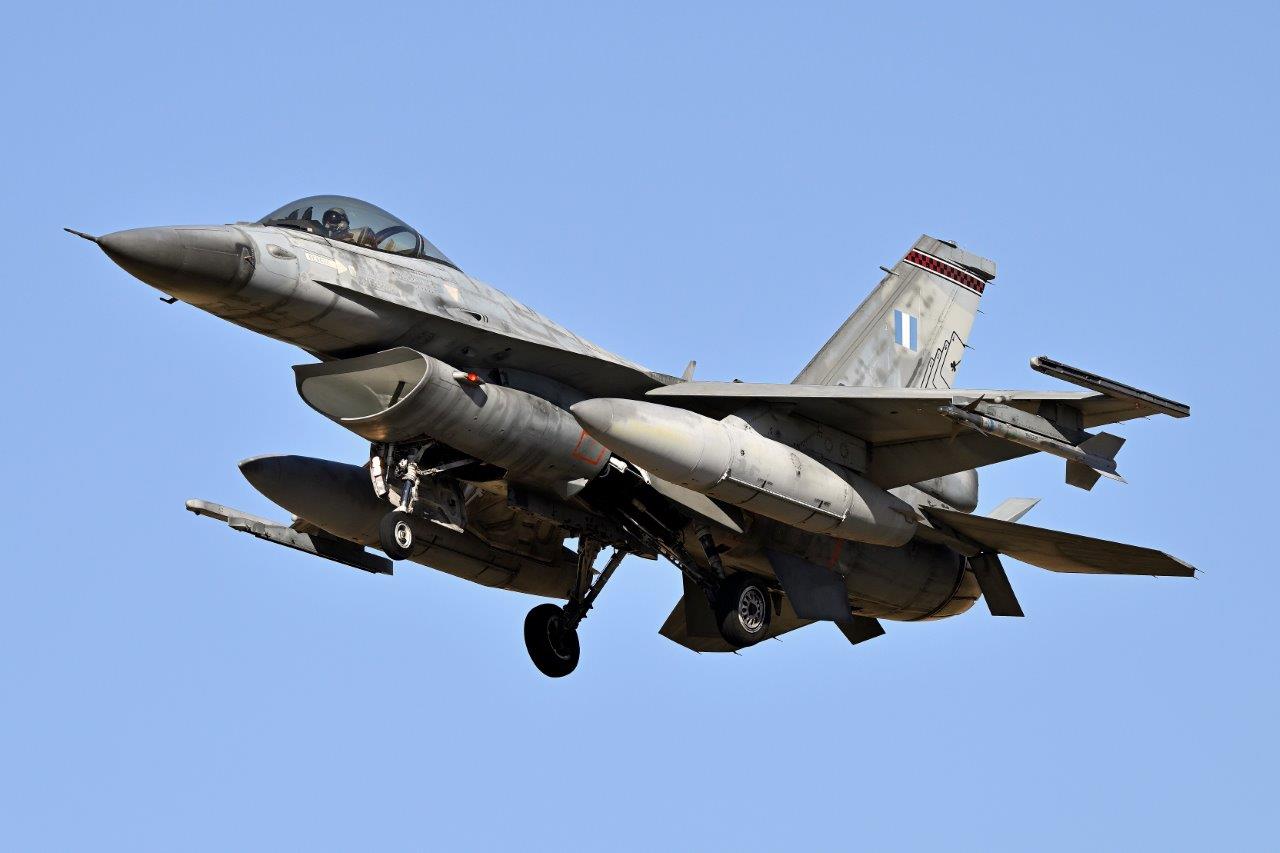
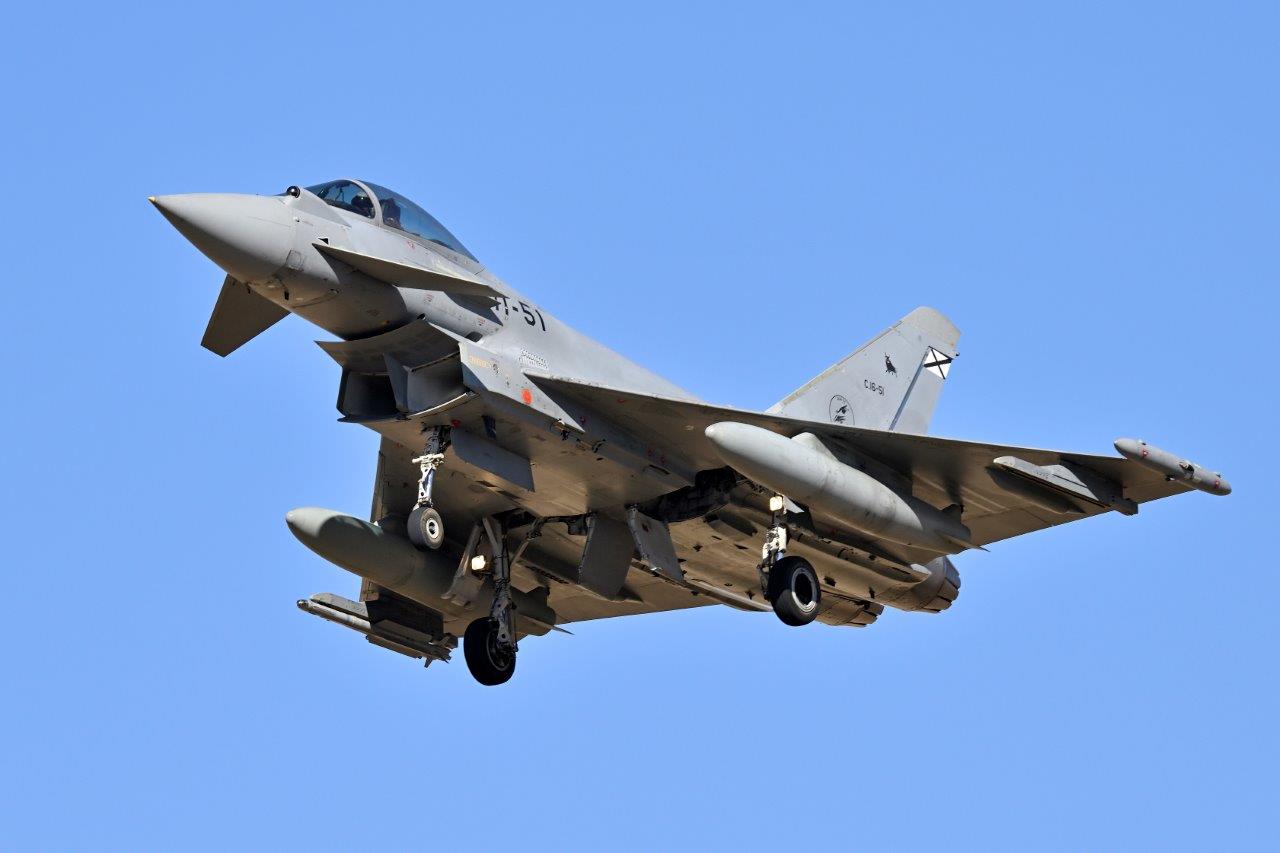
Four F16Cs from the 341st Air Regiment of Polemikí Aeroporía (Polemikí Aeroport) departed from Nea Anghialos Air Base. The hosts, the Ejército del Aire y del Espacio (Air and Space Army), also provided two Eurofighter C16 Typhoons from the 11th Wing based in Moron de la Frontera,

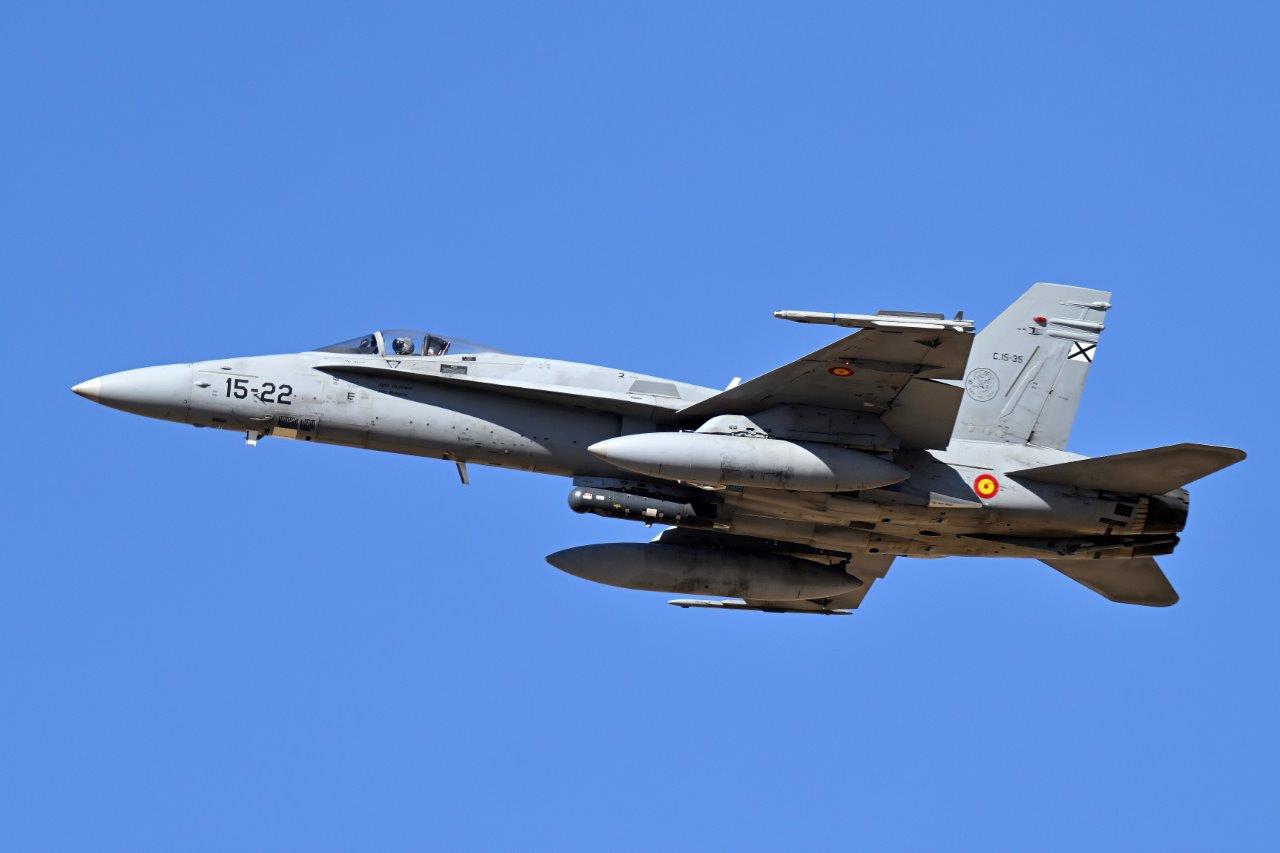
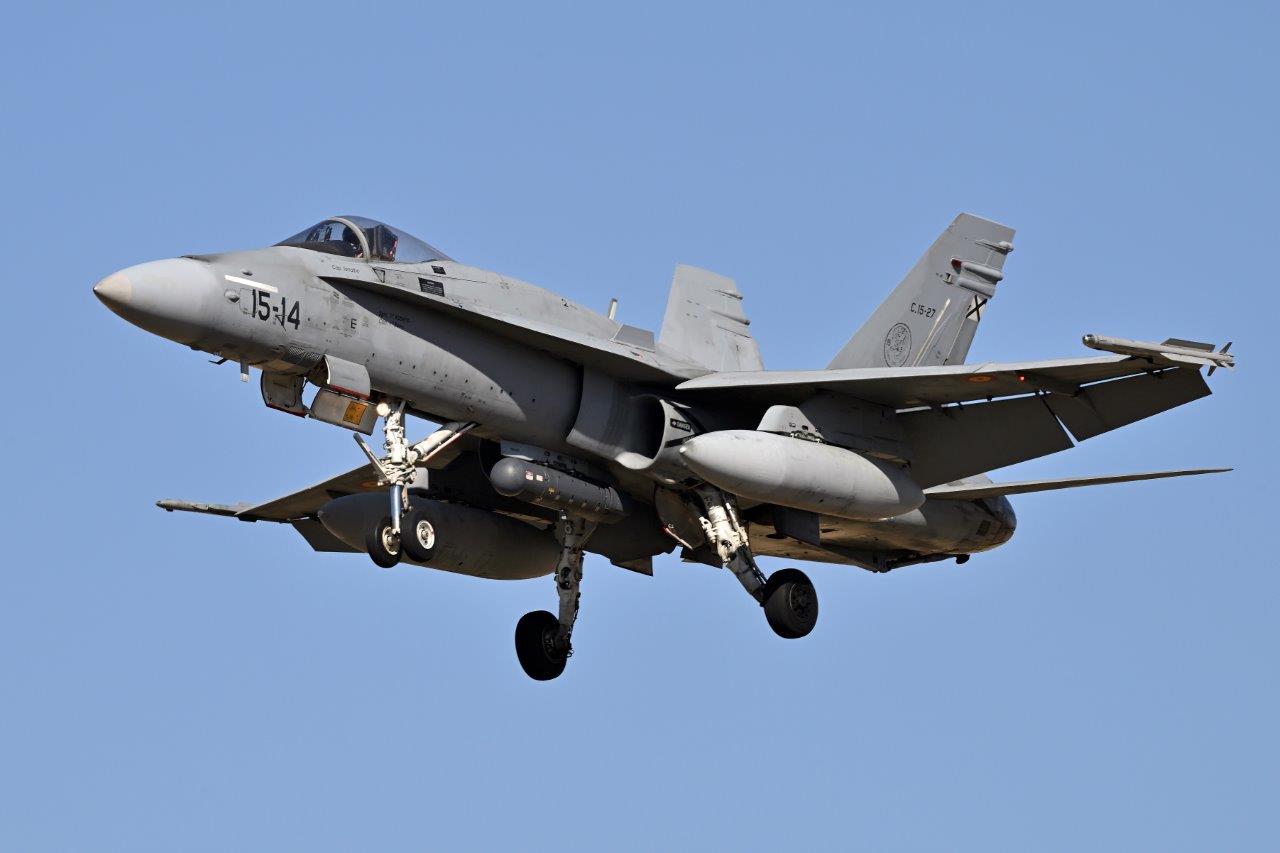
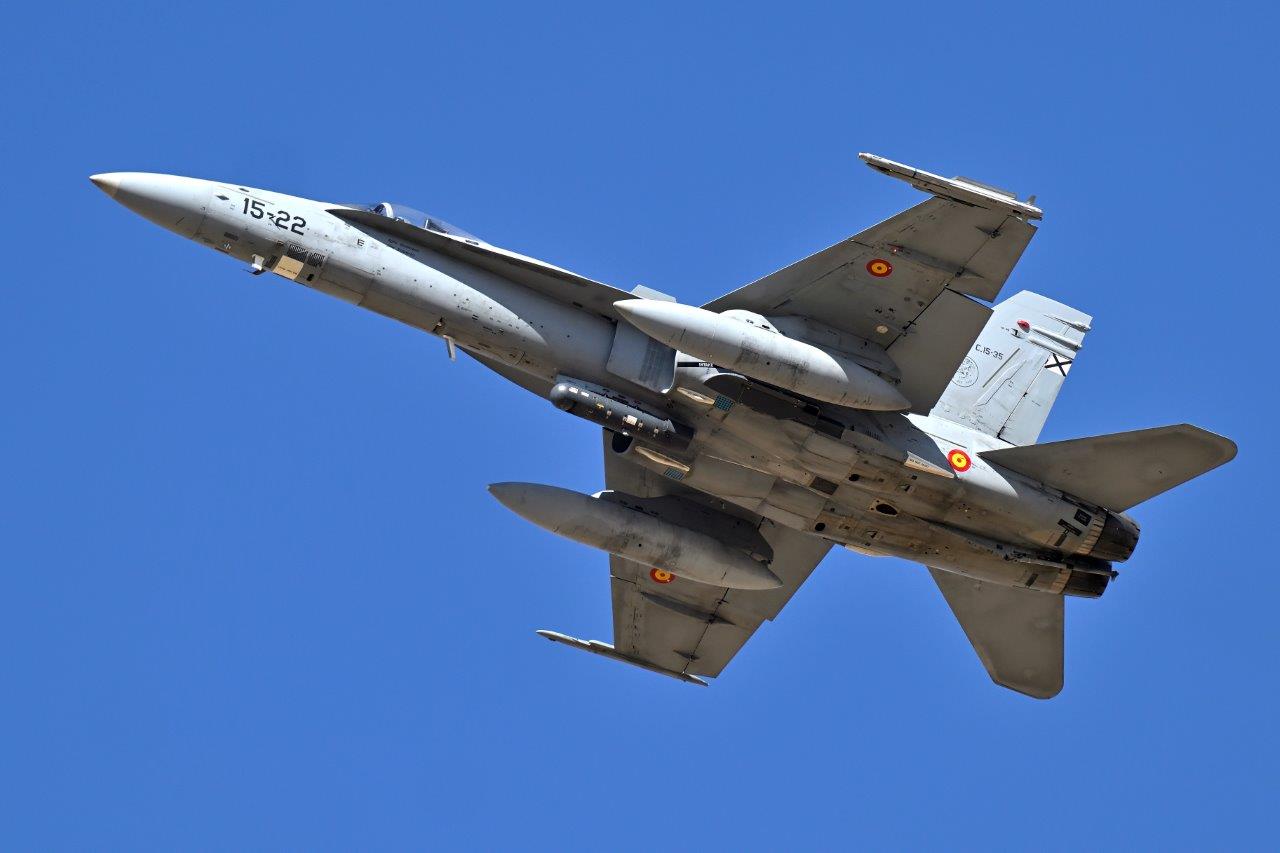
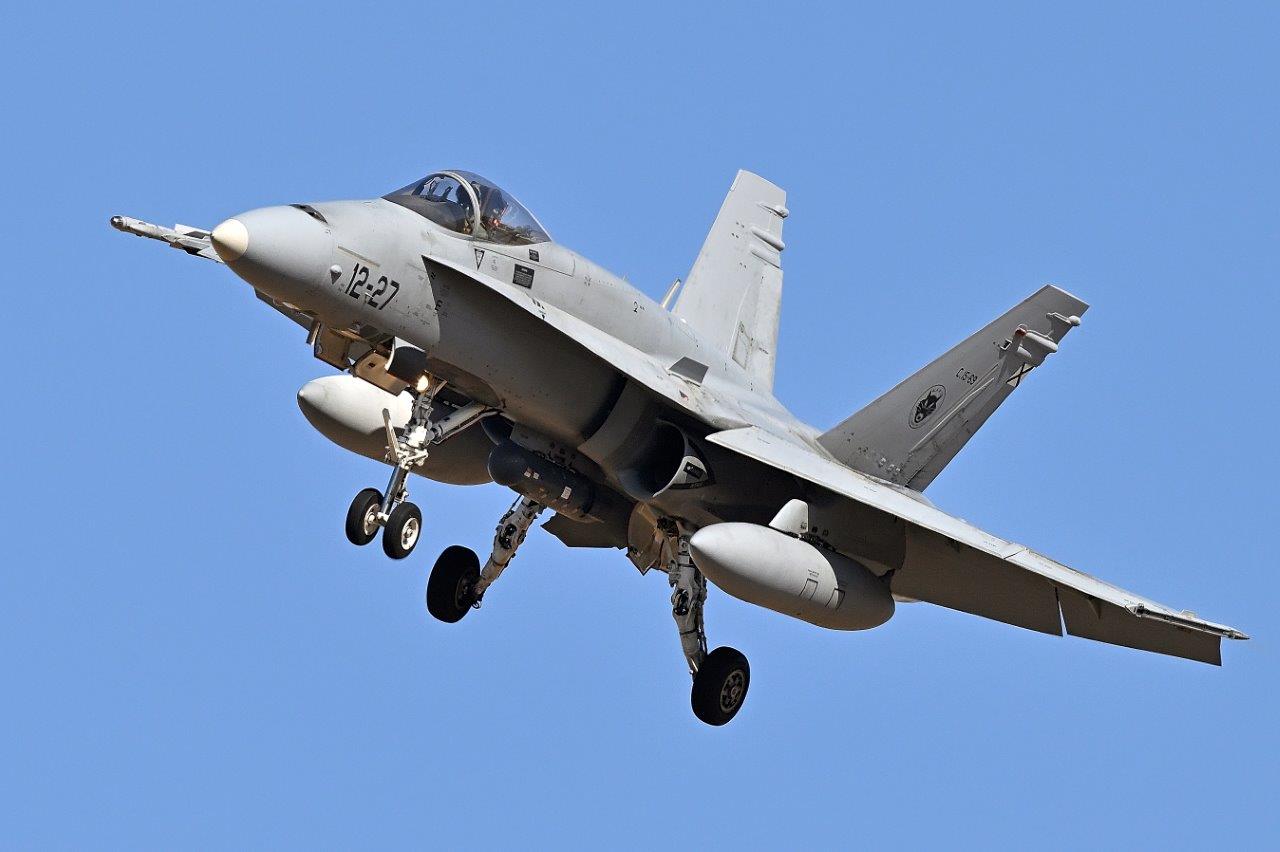
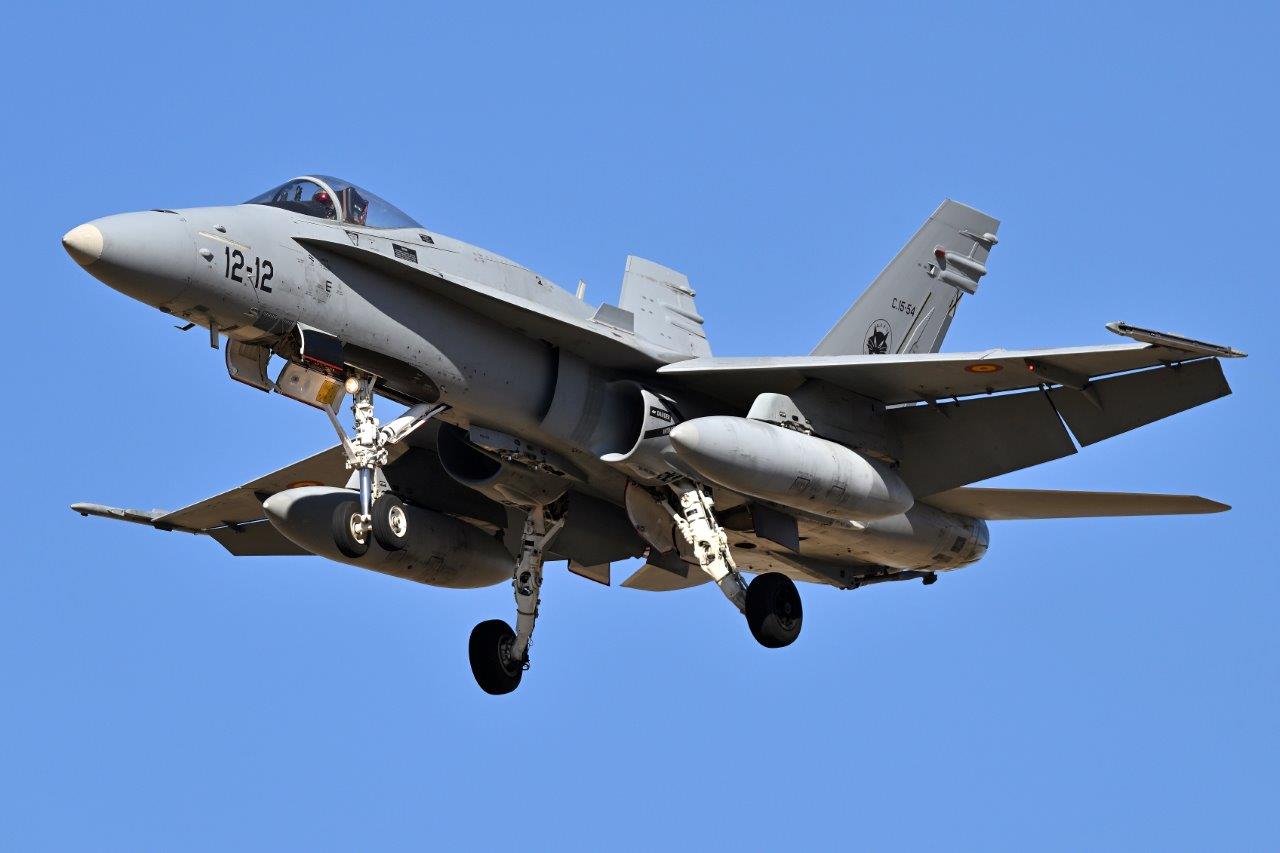
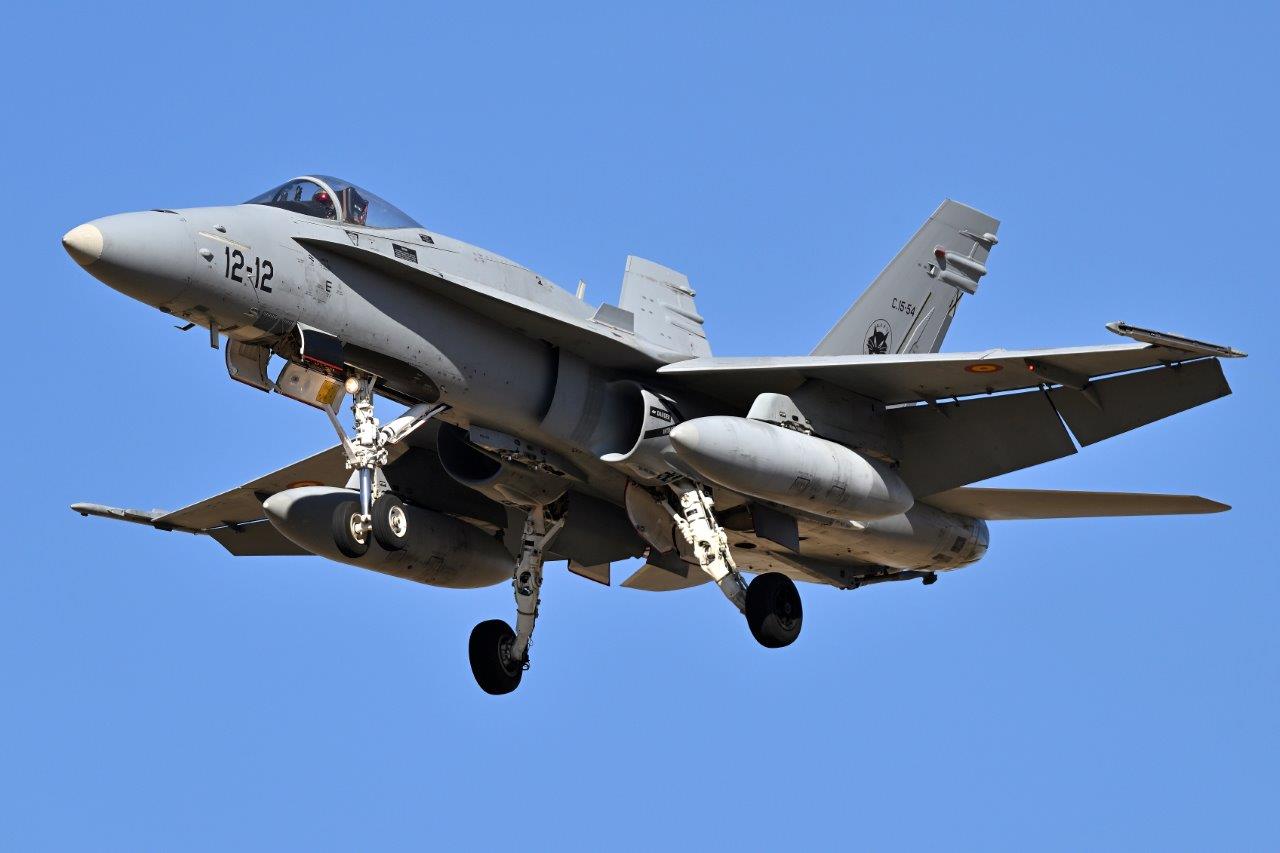
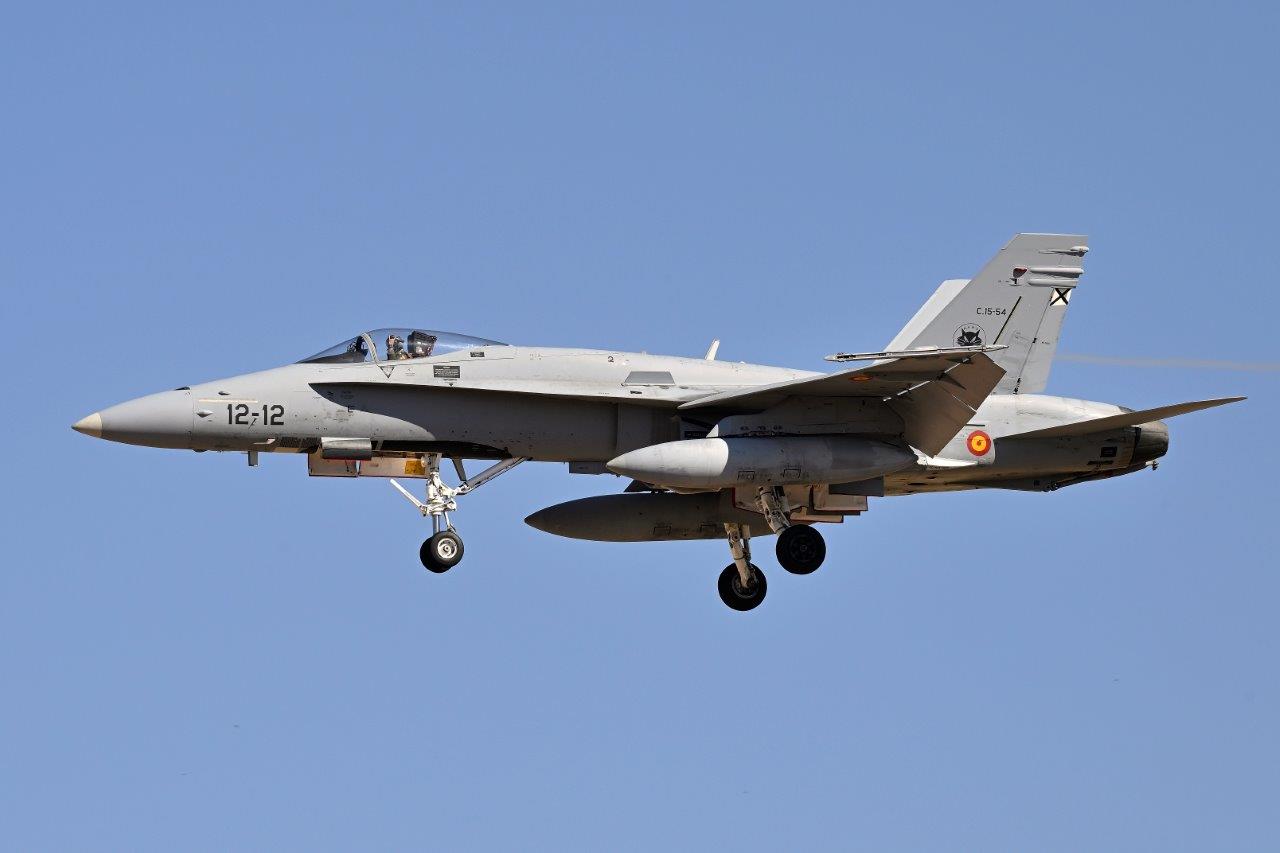
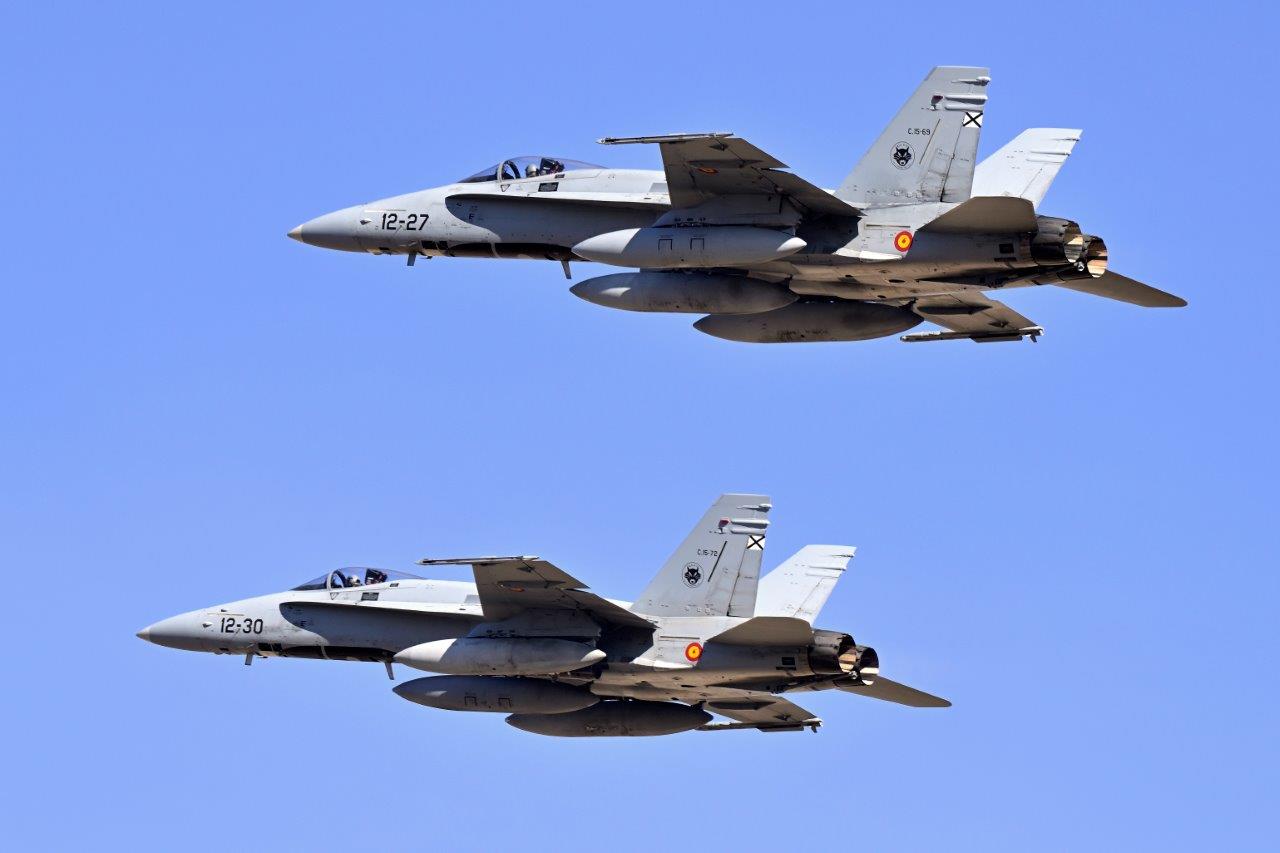
eight C15 Hornets from the 15th Wing based in Zaragoza.

and Wing 12 of Gando in Gran Canaria.

It is therefore important to underline the Italian nature of this TLP and the fact that almost a third of the participating aircraft were fifth-generation fighters. This is not the first time at the TLP, but never in such a significant number, and seven out of nine were in the B version.

In addition to the aircraft participating in the TLP course, the Los Llanos base also includes the 14th Wing of the Air Force, equipped with Eurofighter C16 Typhoon fighter aircraft, as well as the Albacete Air Workshop (MAESAL), dedicated to the high-level maintenance of the Fire Brigade’s EF-18 Hornet, Eurofighter and Canadair CL-215 aircraft.

The TLP was established on the basis of a Memorandum of Understanding between 11 NATO nations. The TLP’s mission is to increase the effectiveness of allied air forces through the development of skills in leadership, mission planning, briefing, tactical air operations, and debriefing. Its primary tasks are to prepare NATO flight leaders to become Mission Commanders capable of directing coalition air strike packages as well as instructing both flying and non-flying personnel on all aspects of tactical composite air operations.

The TLP achieves these goals through flying and academic courses for allied personnel. The TLP COMAO Flying Course aims to improve the tactical and flying leadership skills of front-line Mission Commanders, promoting tactical interoperability among NATO air forces through exposure to other nations’ tactics and capabilities.

The course also provides an environment for exchanging information on weapons, tactics, and capabilities, fostering the development of multinational tactical employment concepts in Composite Air Operations (COMAO). The course adopts a progressive approach with 12 total missions.

Of these, three are synthetic missions, meaning they are planned and flown using simulators. They serve to familiarize the COMAO planning process, develop leadership, and improve teamwork. Nine missions are actually flown and aim to develop tactical leadership skills for planning, briefing, flying, and debriefing integrated multinational formations.

Missions are conducted from Albacete Air Base, equipped with a 2,700-meter runway oriented 09/27, using land and sea training areas. Long-range missions may include air-to-air refueling, while a wide range of land targets is available. The course lasts approximately three weeks. The first seven working days include academic lectures and three synthetic missions, followed by two weeks of nine consecutive missions.

The aircraft must be ready for flight by the second Monday, while the crews return to their respective bases early on the final Friday. The flight activity usually consists of a morning test mission involving a maximum of ten aircraft—this time, the Navy’s Rafales did not miss a single one—and an afternoon wave involving all crews, departing between 3:00 PM and 3:30 PM and returning around 5:30 PM.

Los Llanos Air Base, a very rare occurrence, is oriented in such a way as to offer considerable observation opportunities from the outside. Both Bases 09 and 27 have roads running close by and convenient parking areas without traffic problems. The atmosphere is very relaxed, few people witness the flight operations, and security is very lenient. The police pass by but pay you no attention; you sit back, calmly, with your lens and radio, and concentrate.

There are no natural obstacles or anything else that limits photographic activity, furthermore the proximity to the planes, both during take-off and especially during landing, is so reduced that one can try some rather daring shots that would be very difficult in other contexts.

Thanks to the sudden, unexpected, and blessed change in weather, we were able to document four missions in three days: two in the morning, the two complete afternoon waves, and all the Friday morning departures. The wind blew moderately, an unusual situation for Albacete, which is located on a plateau at about 700 meters above sea level, but it always came from the same direction, making the runway in use predictable, always the dos siete.

The crowd was a little larger than usual, especially the first few days. Almost everyone came from the Tiger, English, German and Dutch, but we are talking about a maximum of just under thirty people at the peak time of the afternoon landing, the best time due to the very favorable light that highlights the details of the planes even on the ventral side.

The pilots were very cooperative, especially the Wolves (callsigns Roma and Rambo), who, realizing there was no contest this time, performed some very photogenic turning landings with a salute from the pilot. The Harriers performed flat takeoffs to be filmed between the airport’s external lighting poles, as well as spectacular rolling landings. The AMI F35Bs and As also allowed us to take some good shots with salutes and turns before lining up for final.

The French Rafales, call sign Paris needless to say, flew en masse on all missions,

with different armaments and configurations; the Greeks, with F16s tested by use and with unlikely colors,

They flew only the main mission of the course, while the Spanish flew the F18s extensively on both missions.

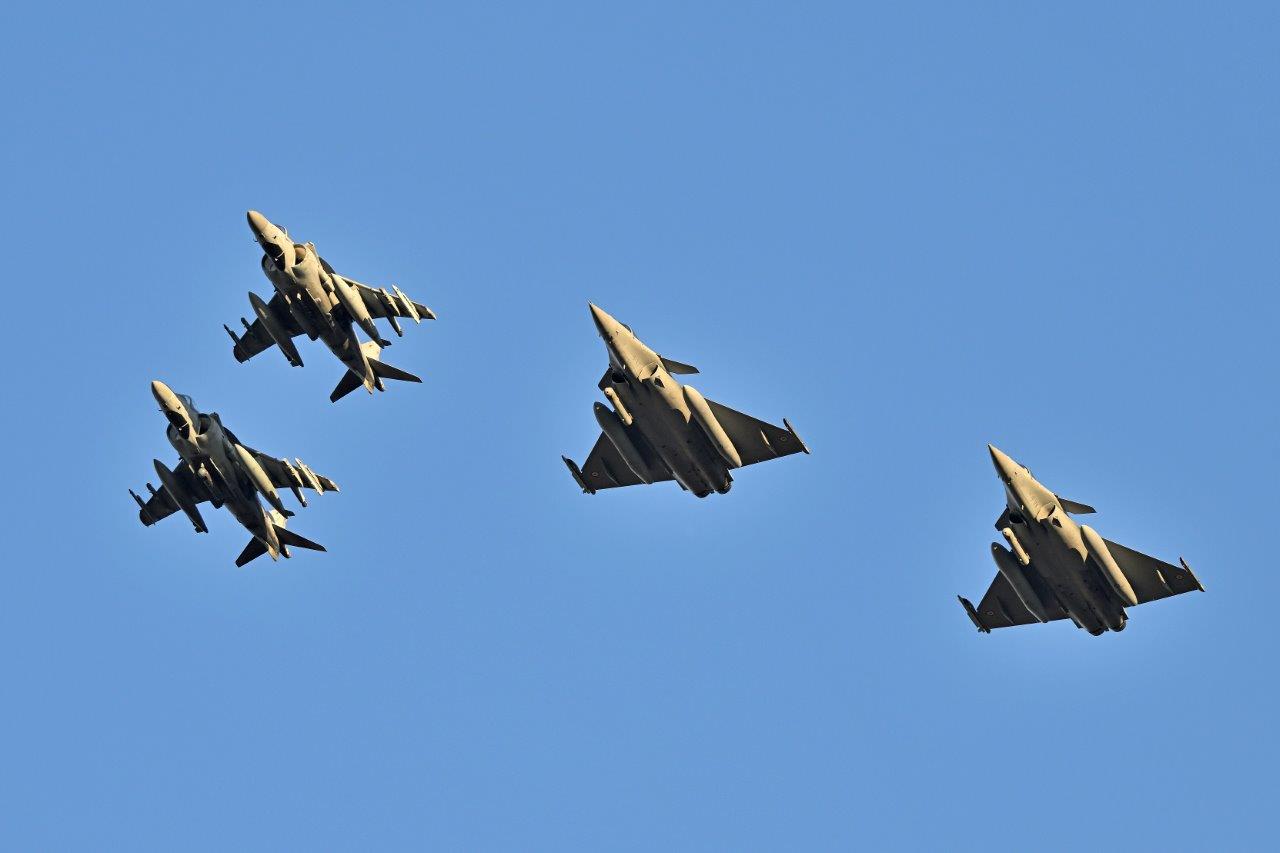
The key moment of the TLP is the return of the crews from the afternoon mission because the various flights are composed of different types of aircraft so you can see Harriers together

and F18

Rafale

and Efa, F16

also F35

and observe the dimensions and the different shapes in comparison.

Late on Friday morning, when all the crews had already left to return to base, the five EFAs of Wing 14 who took part in the Tiger Meet arrived from Beja.

and performed a considerable number of low approaches with acrobatic flares on the runway axis.

E’ il cerchio che si chiude e salda insieme questi due eventi a cui abbiamo avuto la fortuna di assistere.

My dream has come true and we are satisfied with the result, but dreams must not end and now we look forward to the next event which is imminent and promises to be interesting, but we will talk about it soon.