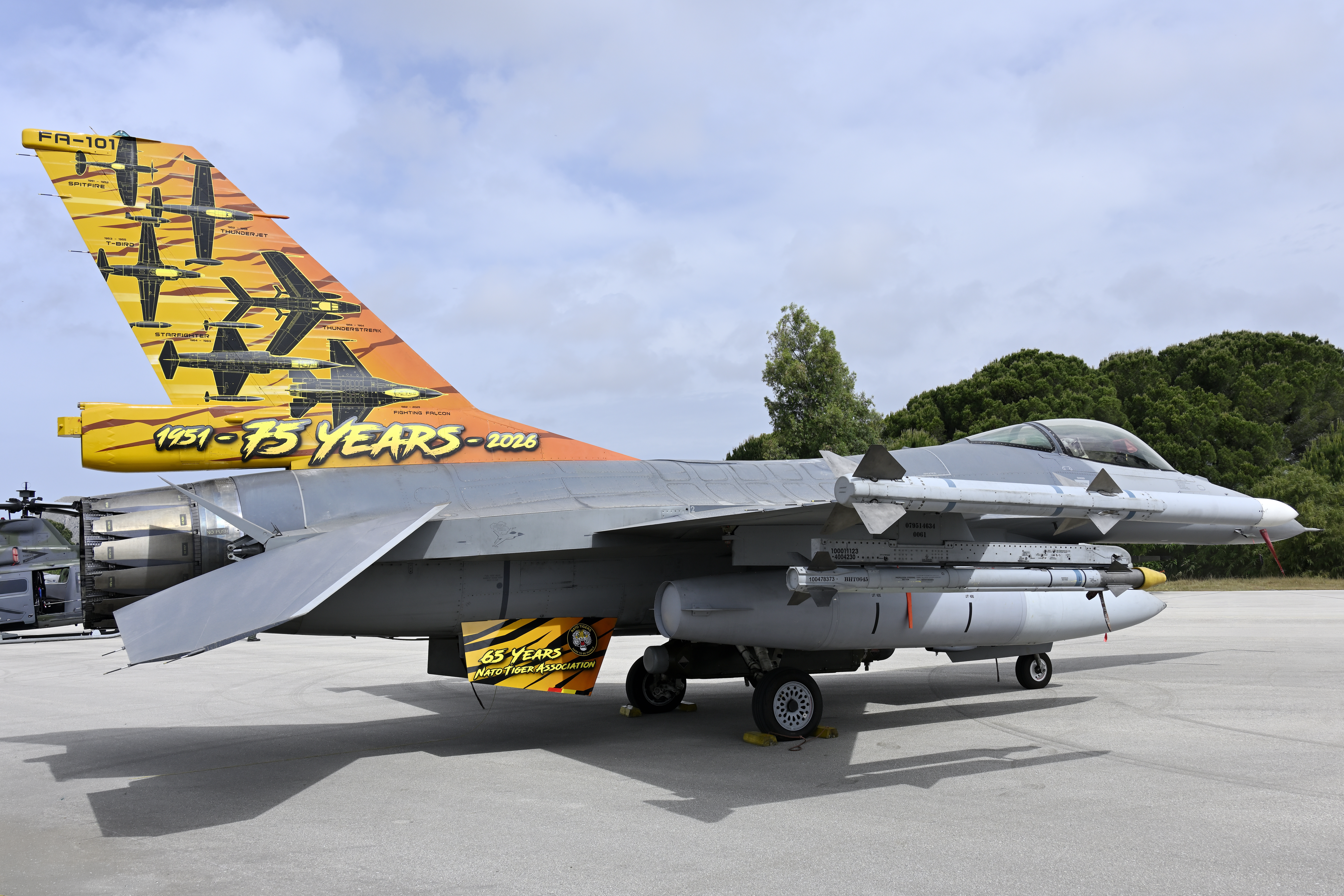
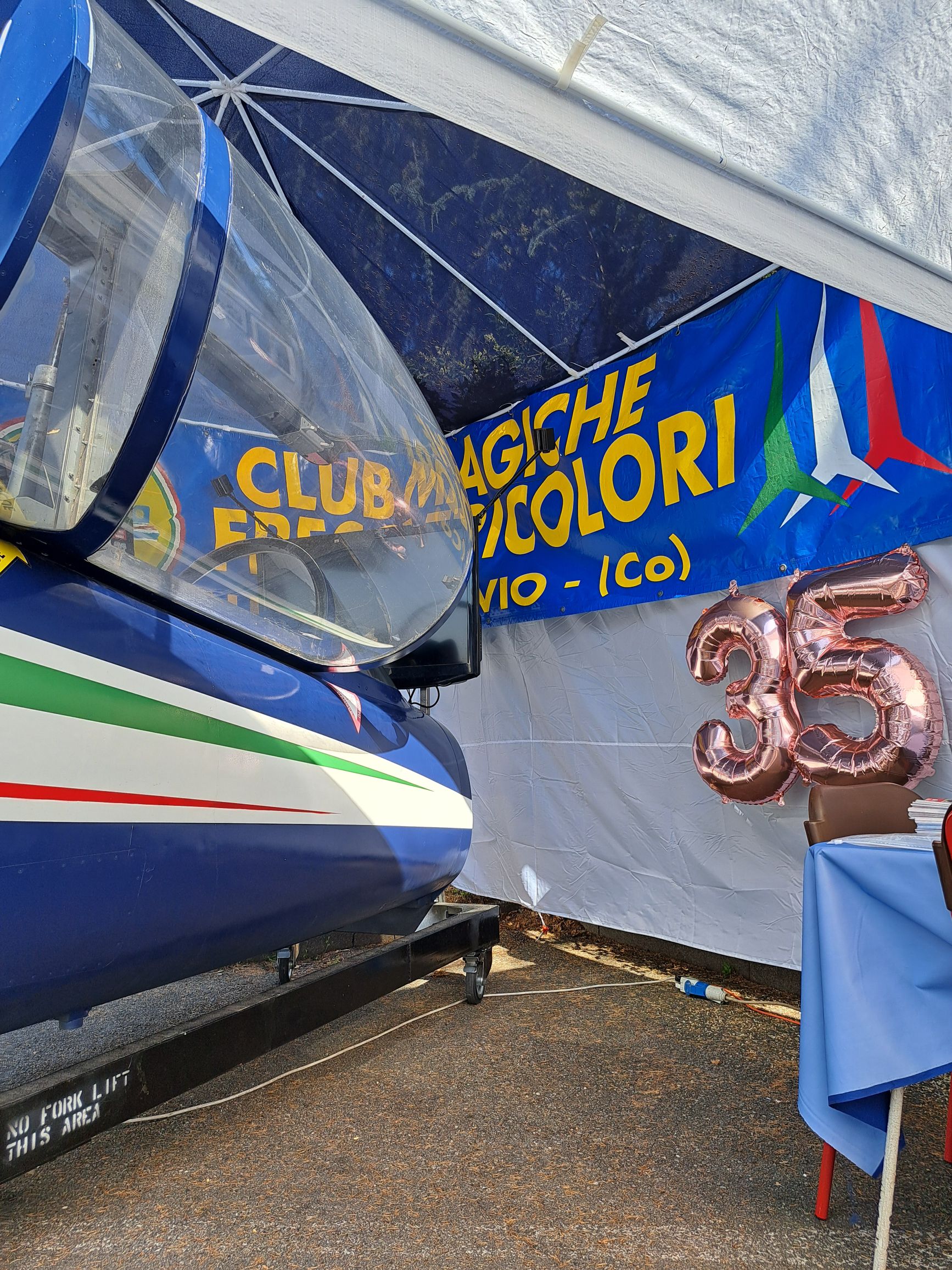
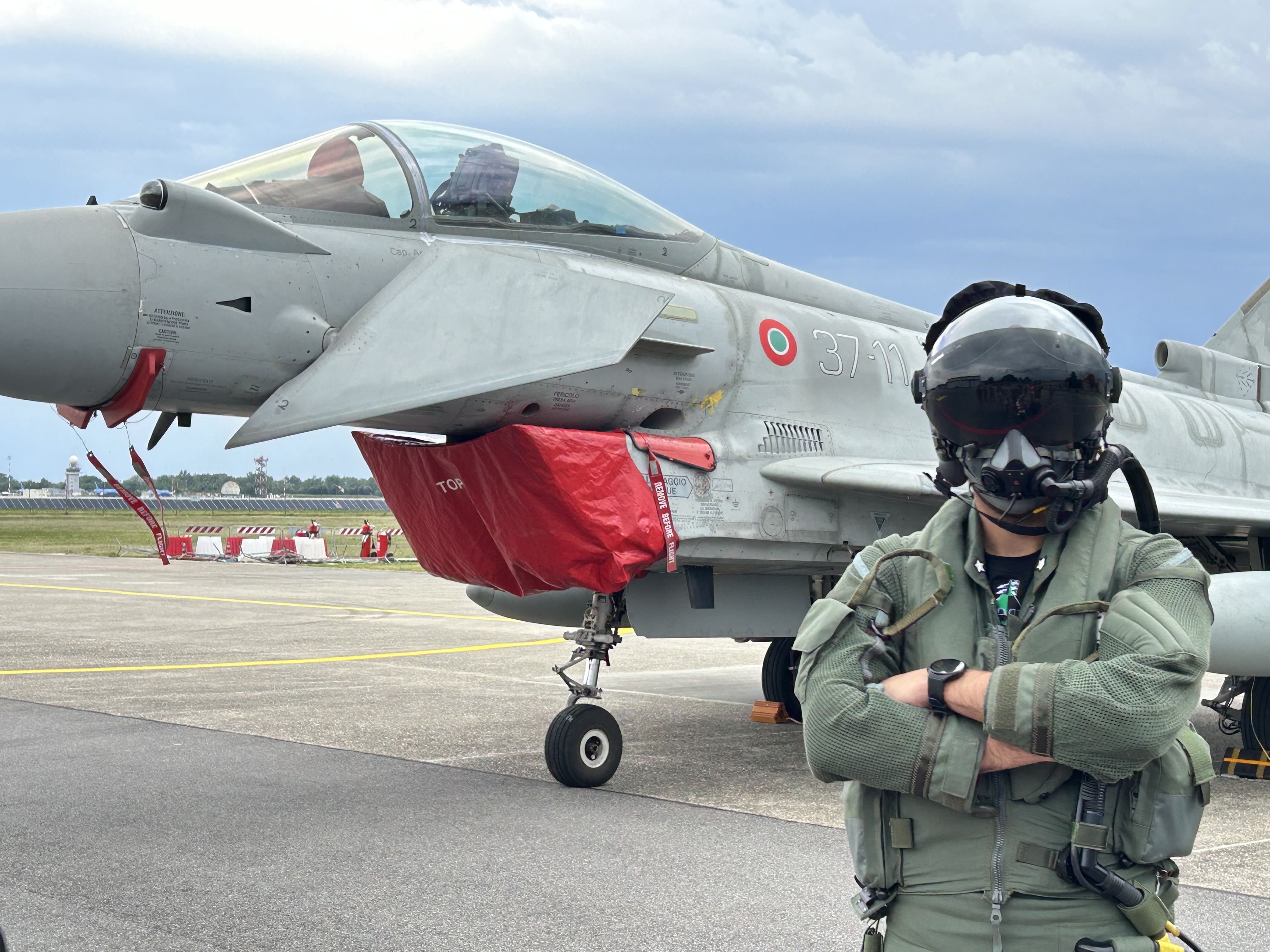
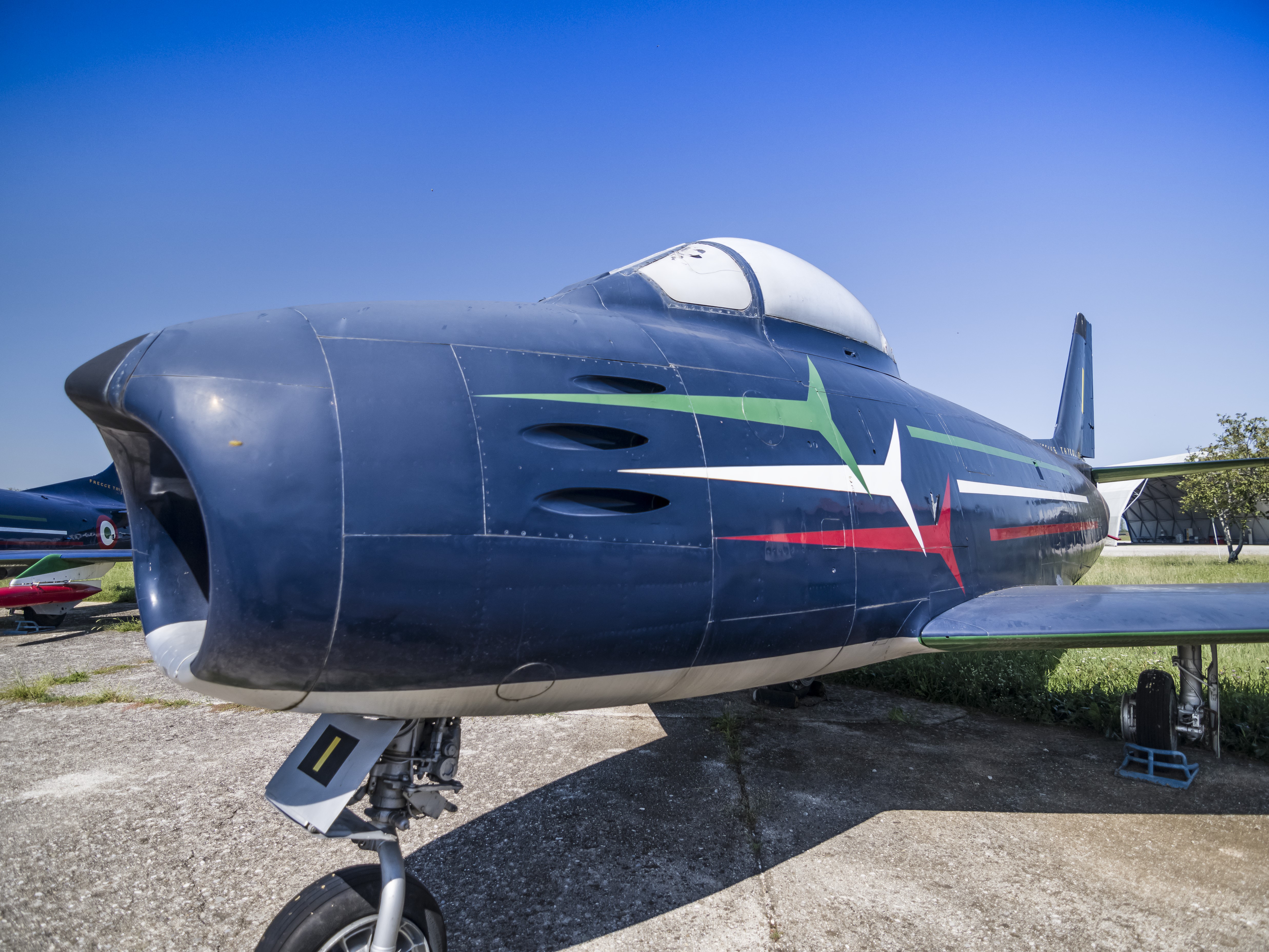
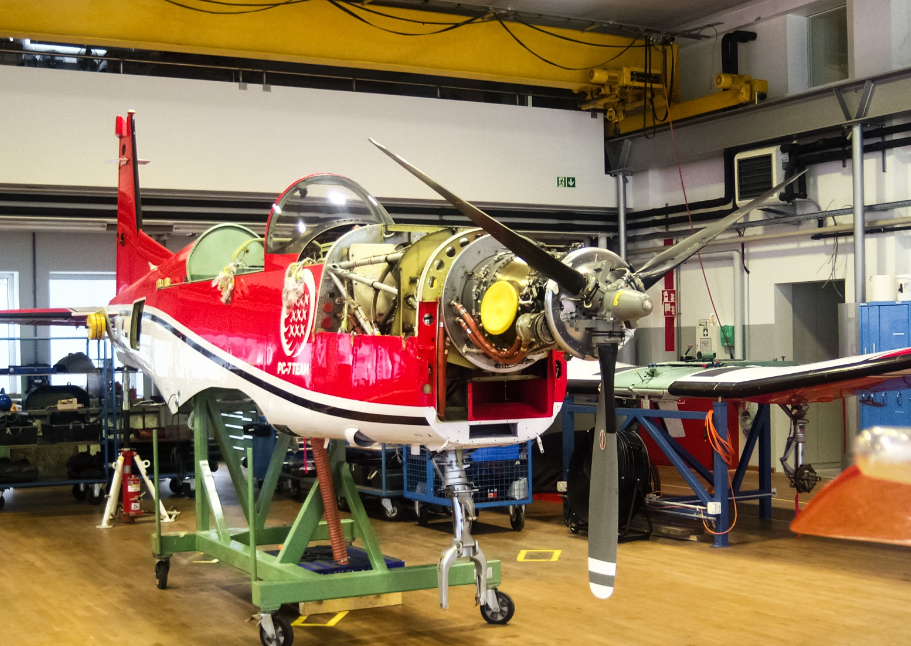
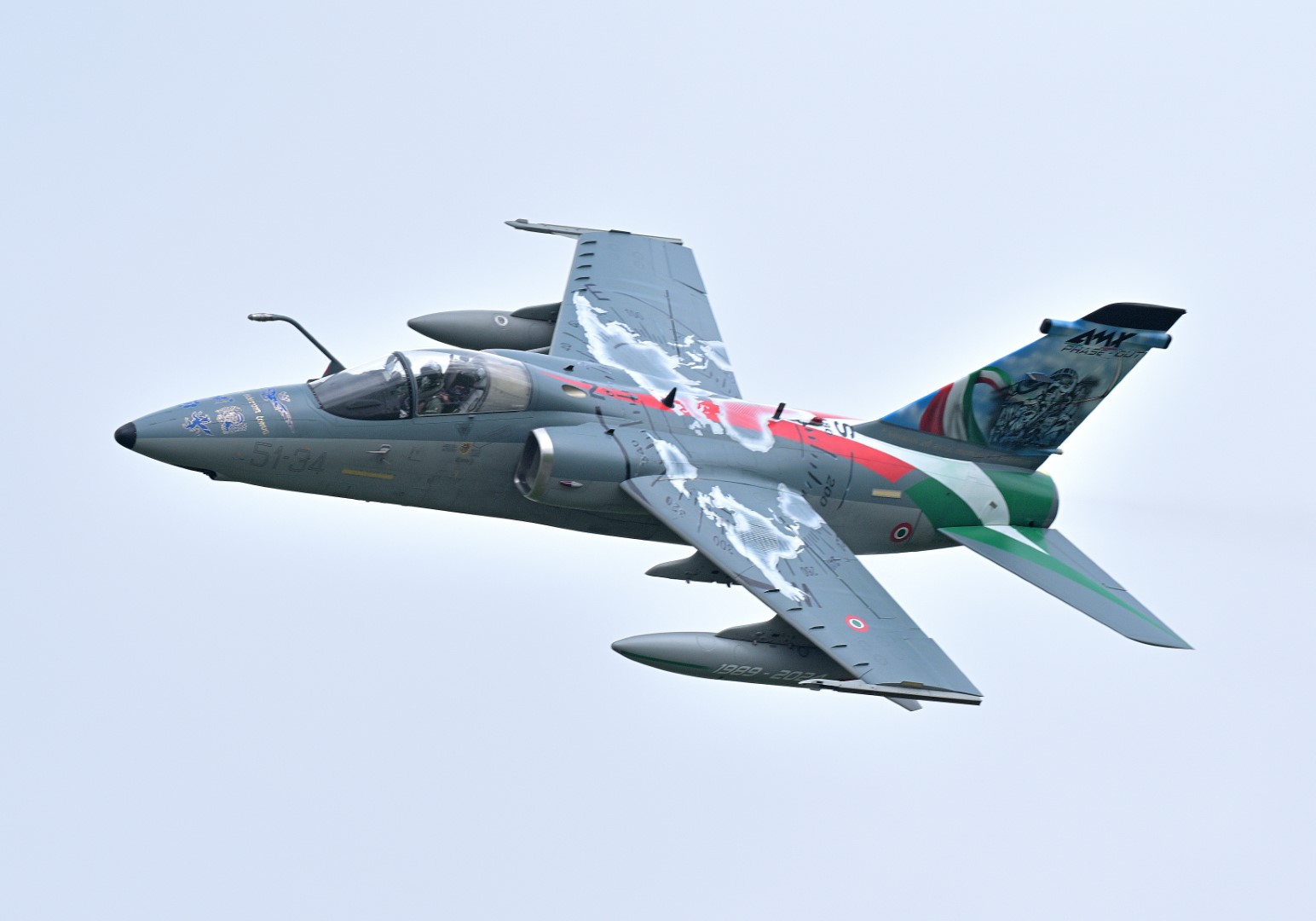
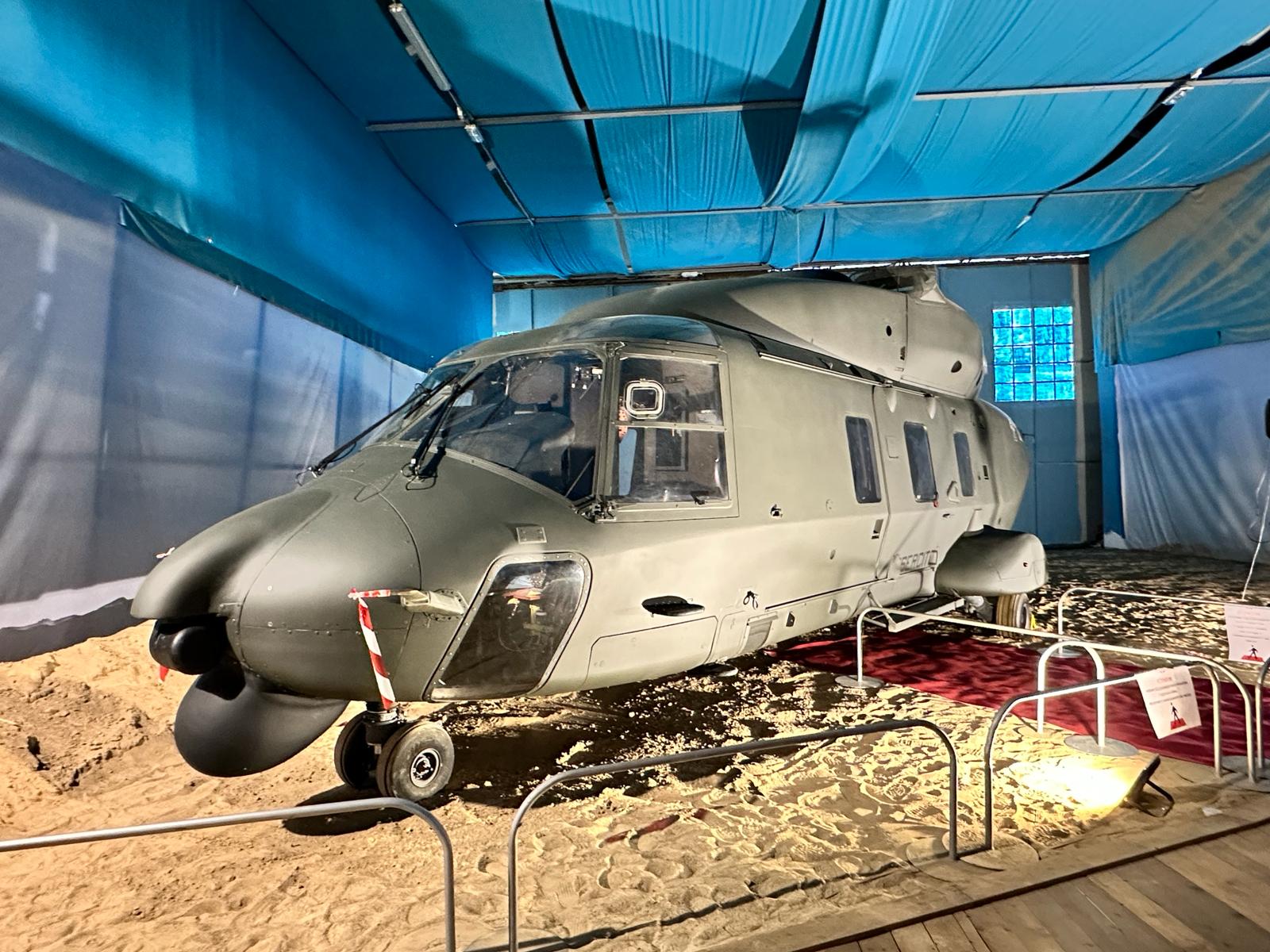
Il New York Air Show del 2019 si è tenuto nel weekend del 24/25 Agosto 2019 al Stewart International Airport (New Windsor, New York), anche base dei C17 del 105th Airlift Wing dell’ANG.
L’aeroporto si trova in Orange County, 70 miglia a nord di NY City e nelle vicinanze dell’accademia militare di West Point.
Quest’anno, oltre alla presenza di velivoli USAF, è stata annunciata la presenza dei Blue Angels e delle Red Arrows (tour in Canada e USA).
Nella statica i pezzi migliori erano:
C17 Globemaster III del 105th Airlift Wing della NY ANG con base in Stewart International Airport, NY
A400M della RAF a supporto delle Red Arrows
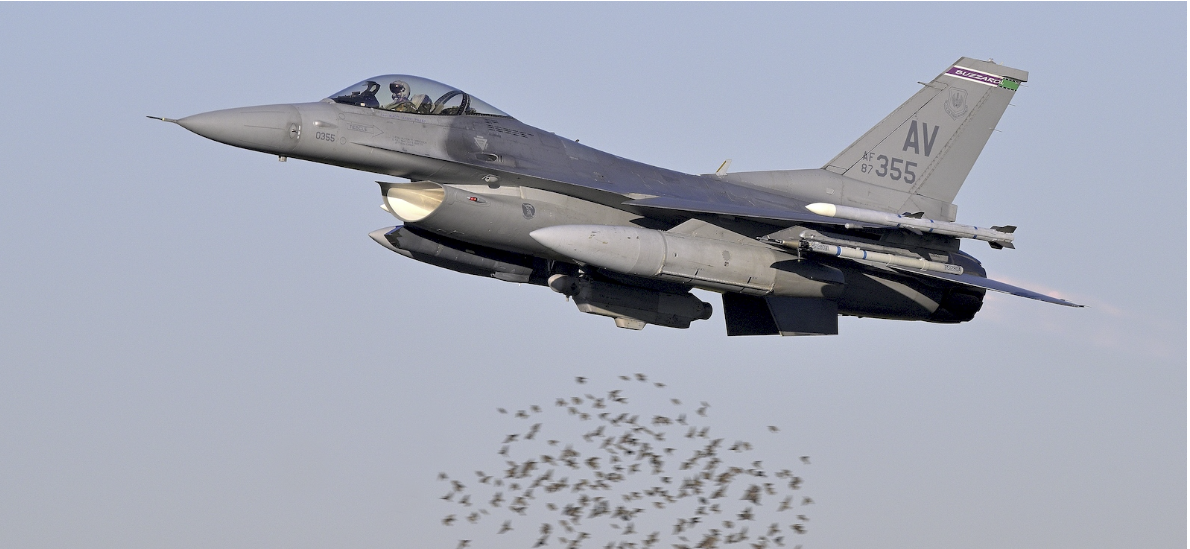
F16C del 157th FS “Swamp Fox” da Mc Entire ANGB, South Carolina
F15C del 104th FW “Barnstormers” di Barnes ANG, Westfield, MA
A10C del 924th Fighter Group di Davis-Monthan, Tucson, AZ
Le operazioni di volo sono state aperte dall’esibizione di un paracadutista di West Point
B25
L39
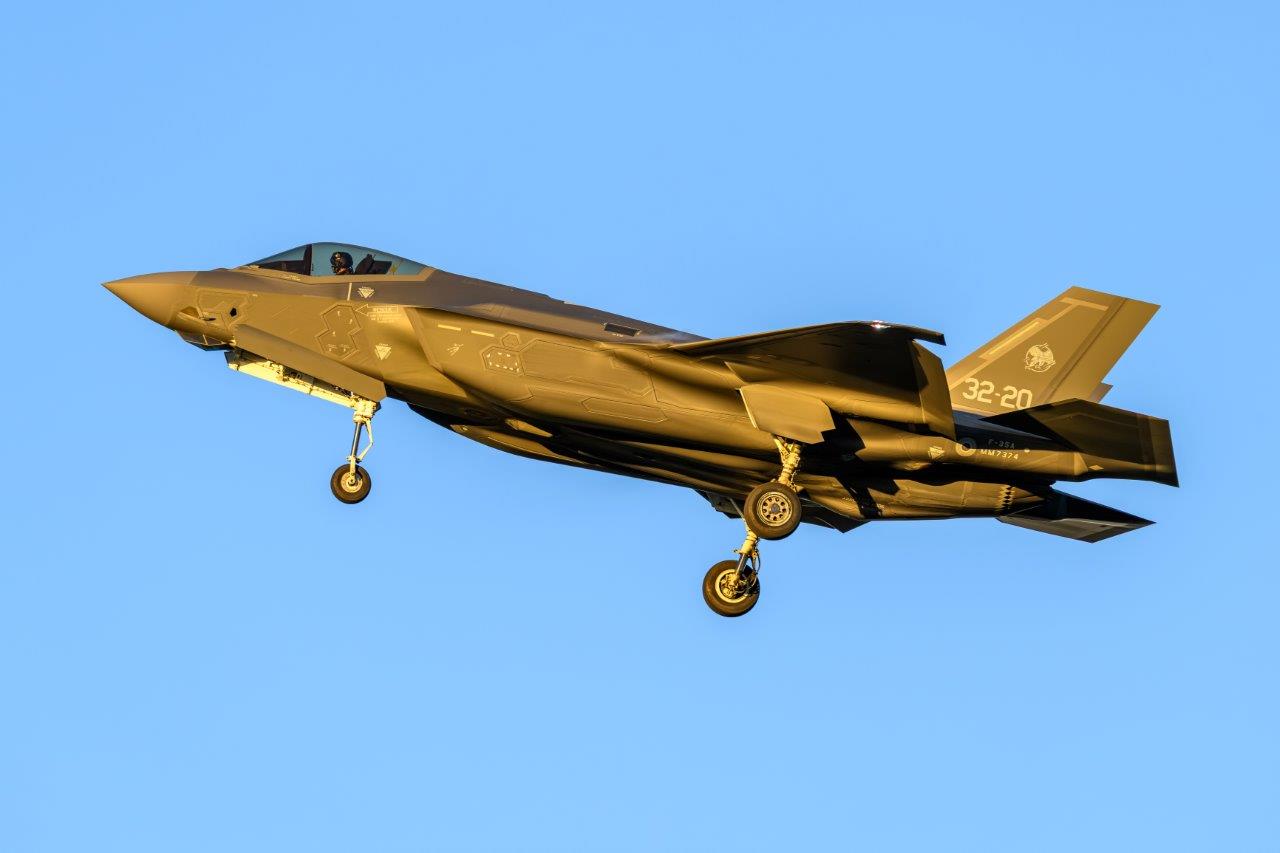
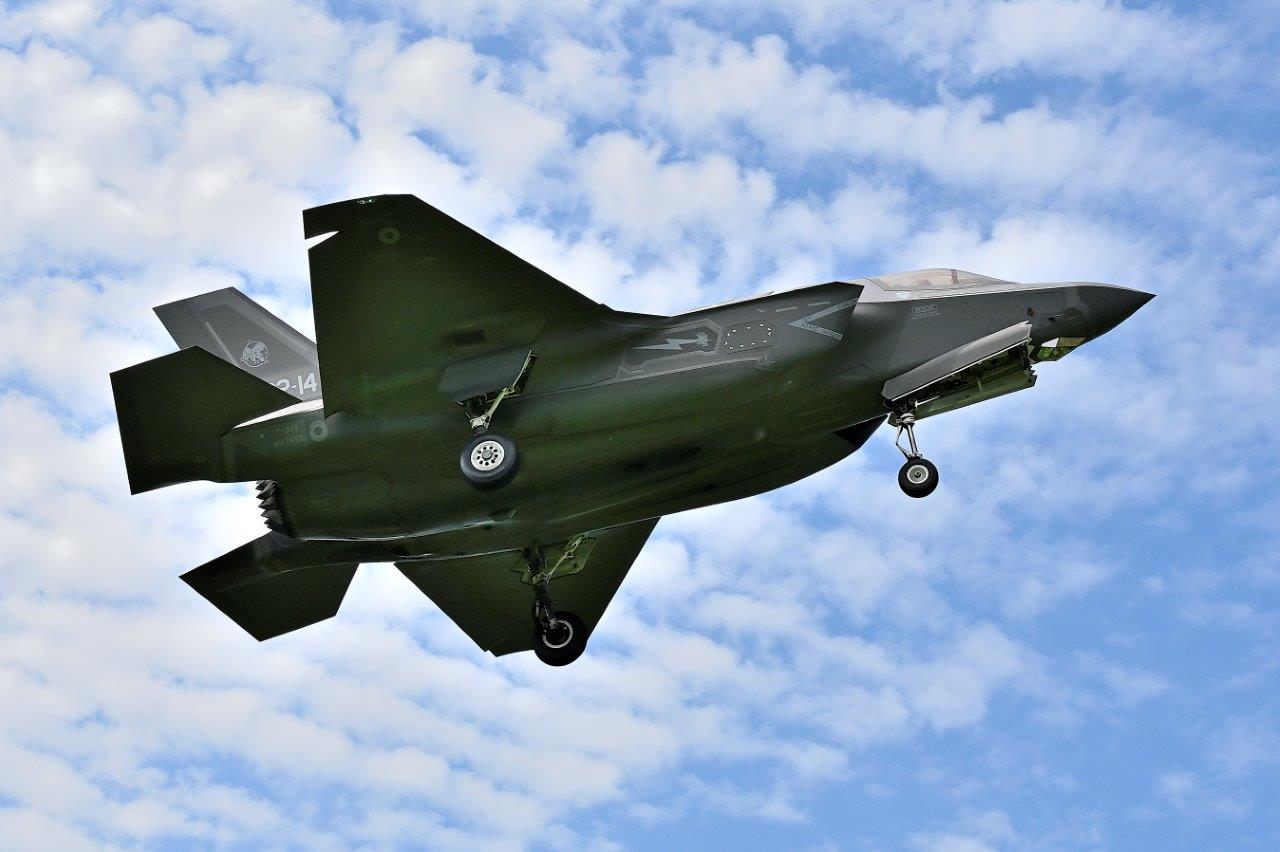
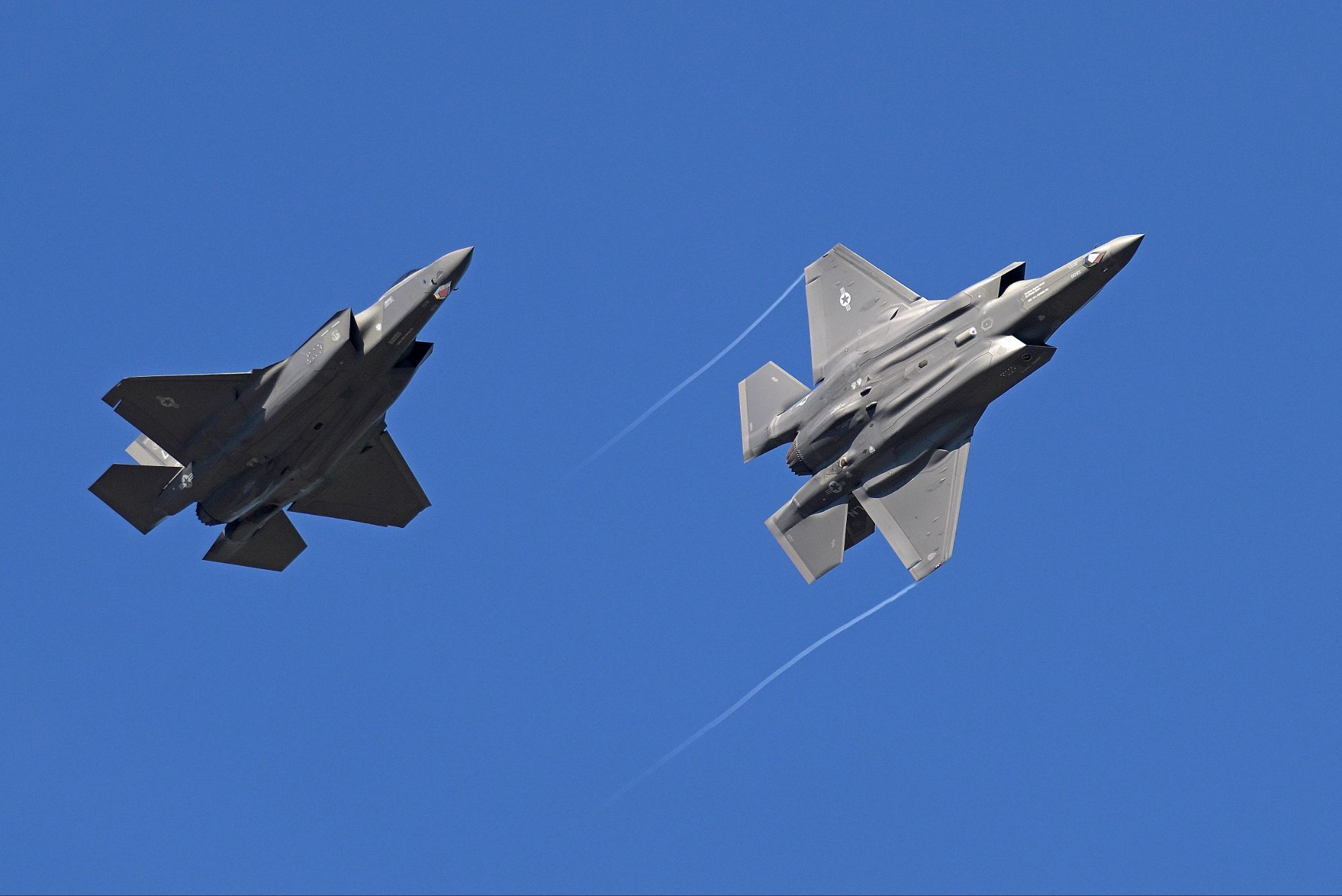
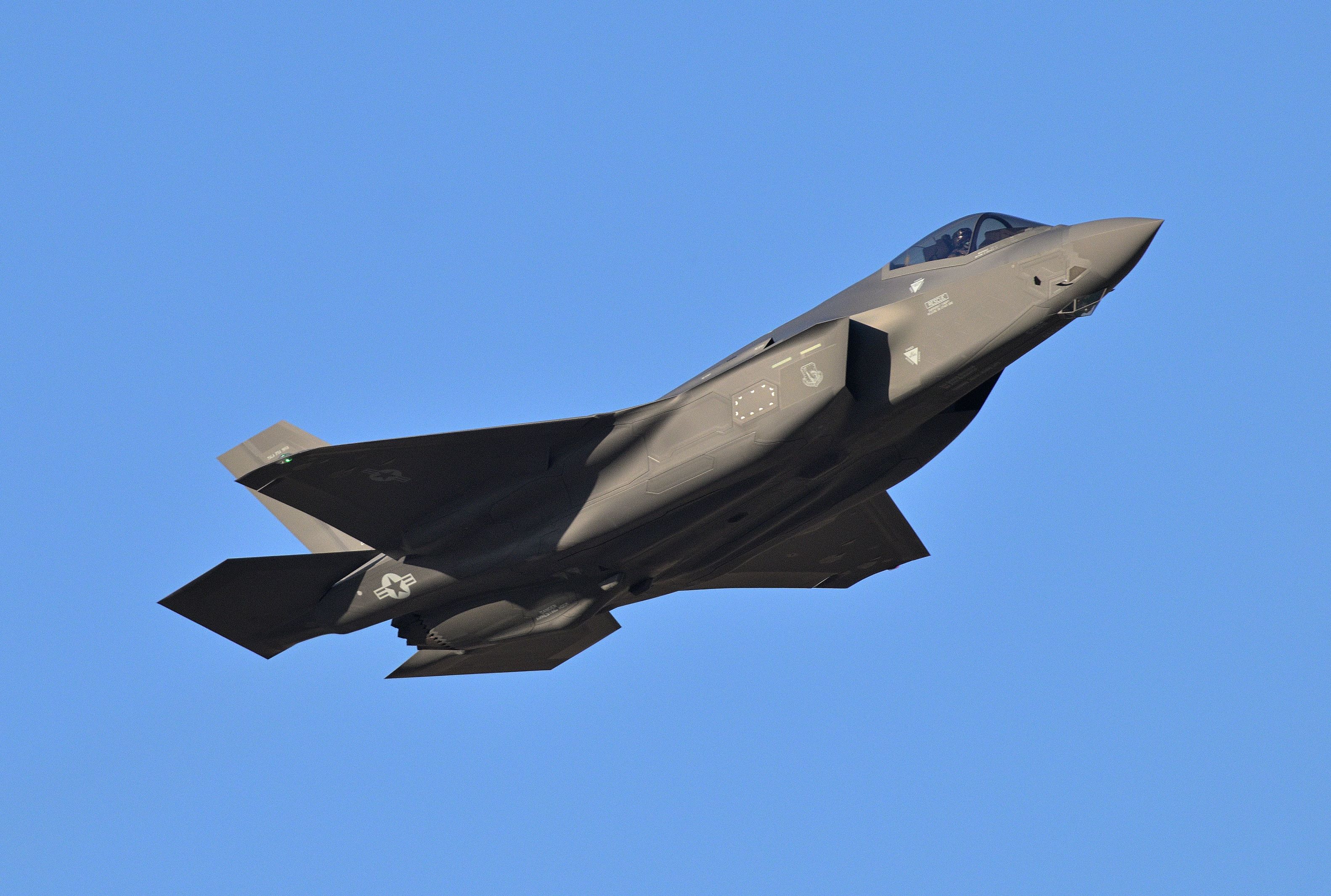
F35A del Lightning II Demonstration Team
Special guest le Red Arrows
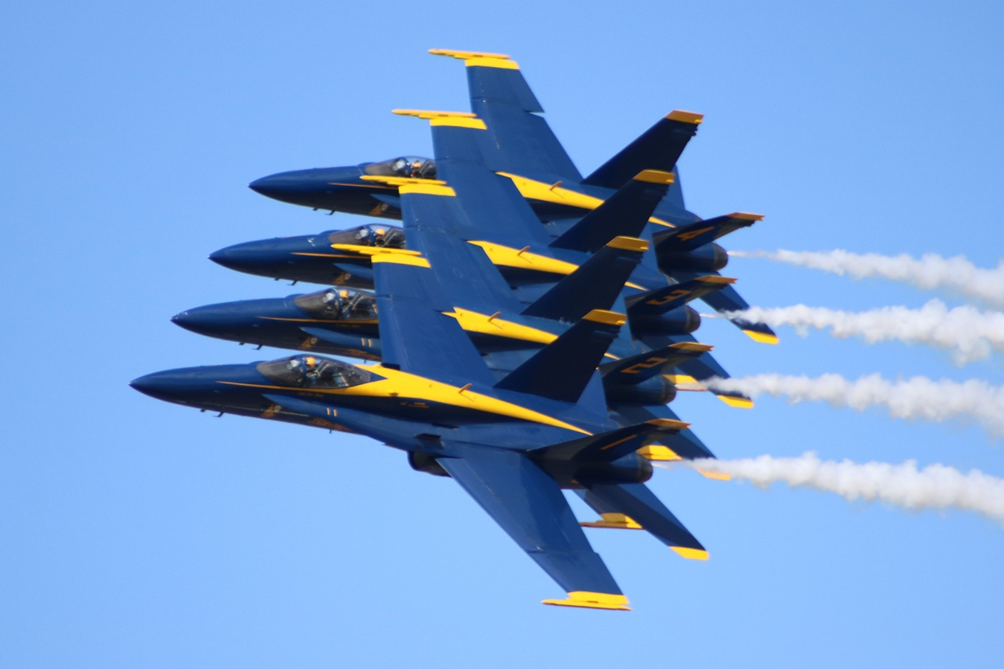
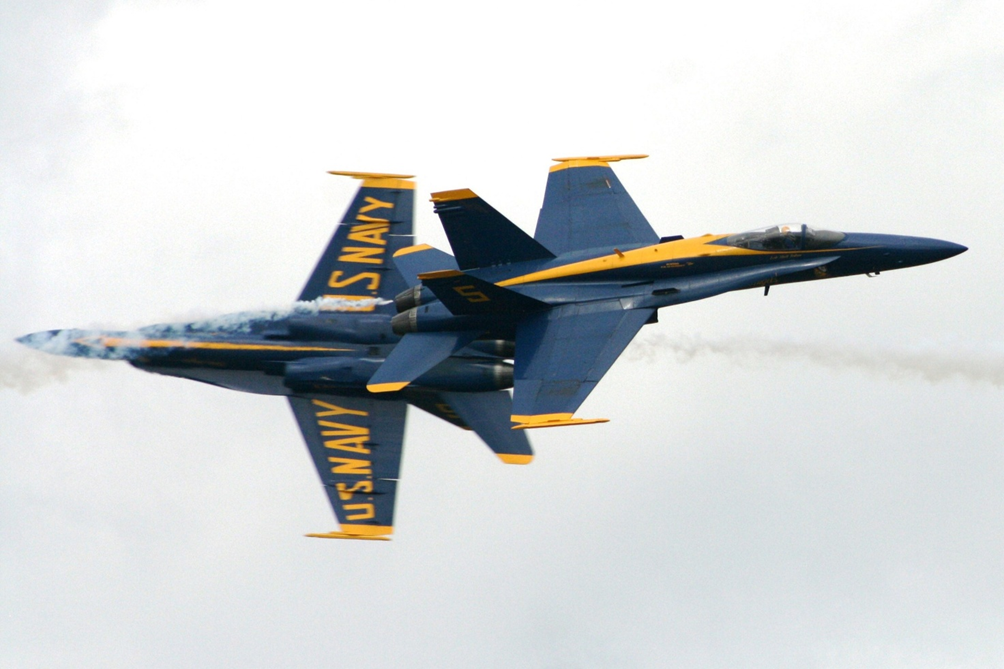
Gran Finale con gli F/A18 dei Blue Angels in full A/B
Stewart International Airport, NY, base of ANG 105th Airlift Wing, hosted in August 2019 the NewYork Air Show.
The military statics included A10, F15, F16, C17 from USA and A400 from RAF.
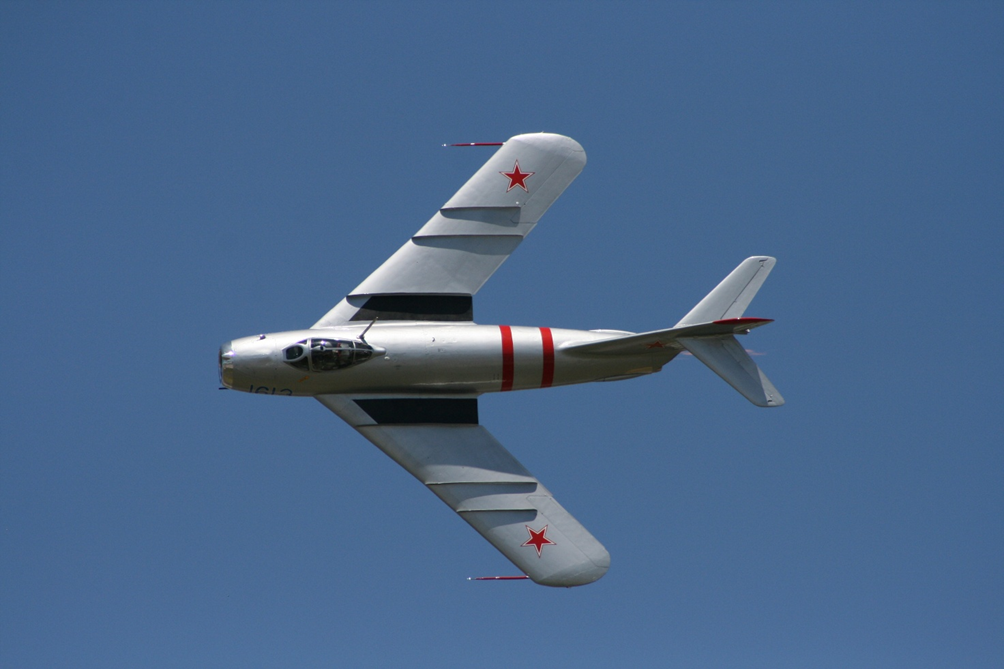
Many civilian and military performers flew in the weekend, including B25, L39, F35A, P51.
Special guest the Royal Air Force Red Arrows (tour in Canada and USA 2019)
Last demonstration of the day was performed by the USNavy acrobatic Team Blue Angels.
30 anni fa il decollo da Torino-Caselle del prototipo Eurofighter DA.3.
Ai comandi, il Ten. Col. Fabio Consoli, un pilota collaudatore dell’Aeronautica Militare. Si trattava del 32° test in volo del DA.3, fondamentale anche per l’inizio delle prove sui motori EJ200; il Development Aircraft 3 fu infatti il 1° Eurofighter a volare con i propulsori realizzati dal consorzio Eurojet Turbo GmbH.
Quel volo segnò una vera pietra miliare per il programma europeo Eurofighter e l’inizio dell’attività del Reparto Sperimentale di Volo sul nuovo caccia.
Per celebrare il passaggio sotto la gestione del 311° Gruppo Volo venne applicata sulla deriva l’inconfondibile insegna dell’Icaro bianco in campo nero, l’araldica del Reparto Sperimentale Volo.
Il New York Air Show del 2018 si è tenuto nel weekend del 15/16 settembre 2018 al Stewart International Airport (New Windsor, New York), anche base dei C17 del 105th Airlift Wing dell’ANG.
Per un giorno l’aeroporto si è riempito di aeroplani storici e militari in servizio, quest’anno con anche la presenza dei Thunderbirds.
Nella statica i pezzi migliori erano:
C17 Globemaster III del 105th Airlift Wing della NY ANG con base in Stewart International Airport, NY
C5M Super Galaxy del 439th Airlift Wing (AF Reserve) di Westover Air Reserve Base, MA
F16 Viper del 158th Fighter Wing Vermont ANG, di casa a Burlington ANG Base, VT
T38C del 12th Flying Training Wing di Joint Base San Antonio-Randolph, TX
F/A 18F Super Hornet del VFA-22 US NAVY della NAS Lemoore, California
A10 del 124th Fighter Wing Idaho ANG di Gowen Field ANG Base, Idaho
Le presentazioni in volo sono state arricchite dalla presenza del B17 Memphis Belle
B25 Panchito
P40
C17
C5M
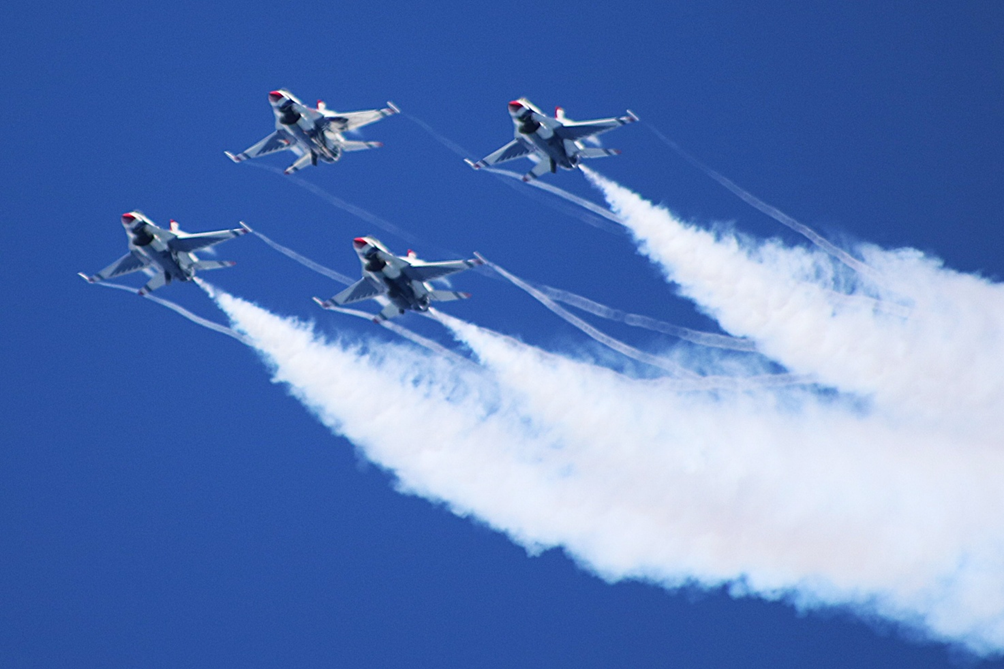
La chiusura dell’air show: USAF Thunderbirds FULL A/B
Stewart International Airport, NY, base of ANG 105th Airlift Wing, hosted in September 2018 the NewYork Air Show.
The military statics included A10, T38, F16, C5M, C17, C5 from USAF and F/A18 from USNAVY.
Many civilian and military performers flew in the weekend, including B17, B25, P40, C5M, C17.
Last demonstration of the day was performed by the USAF acrobatic Team Thunderbirds.
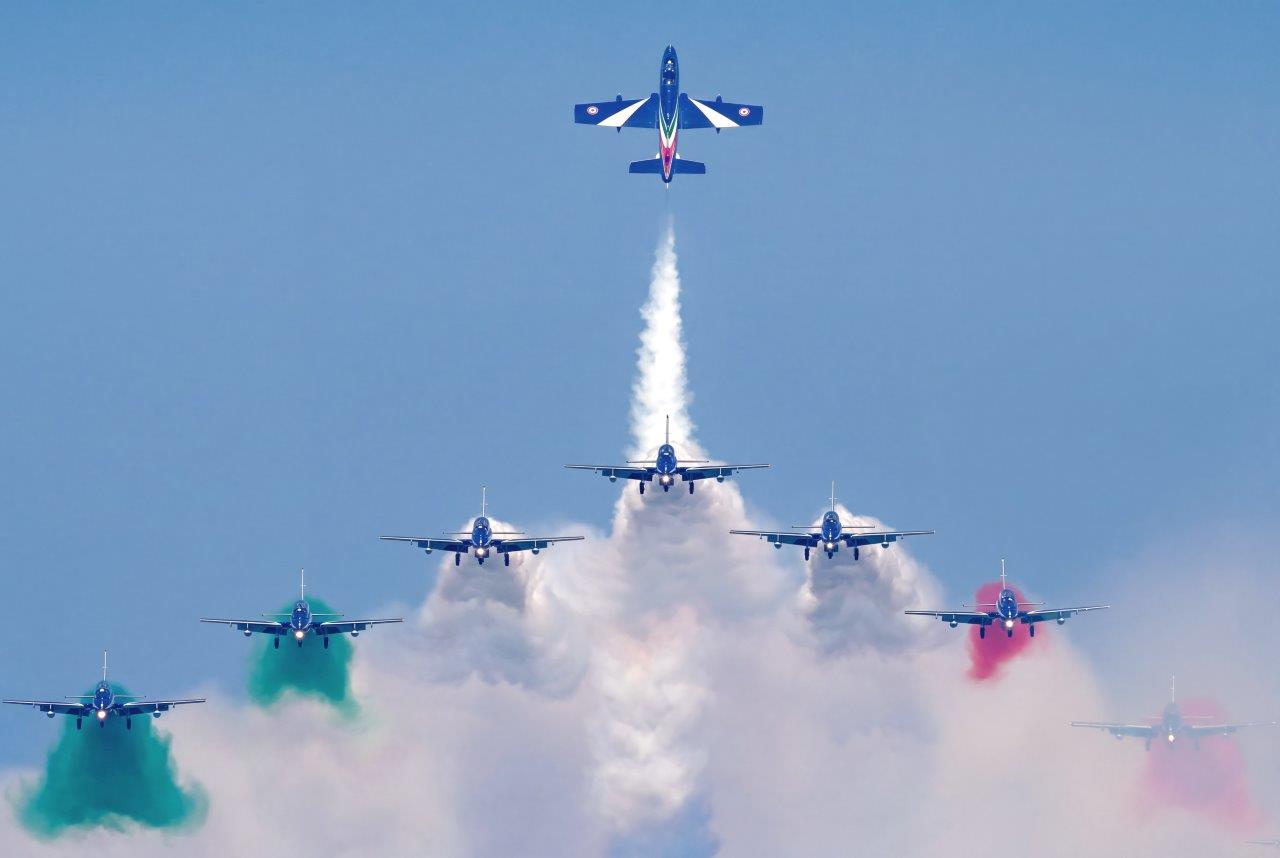
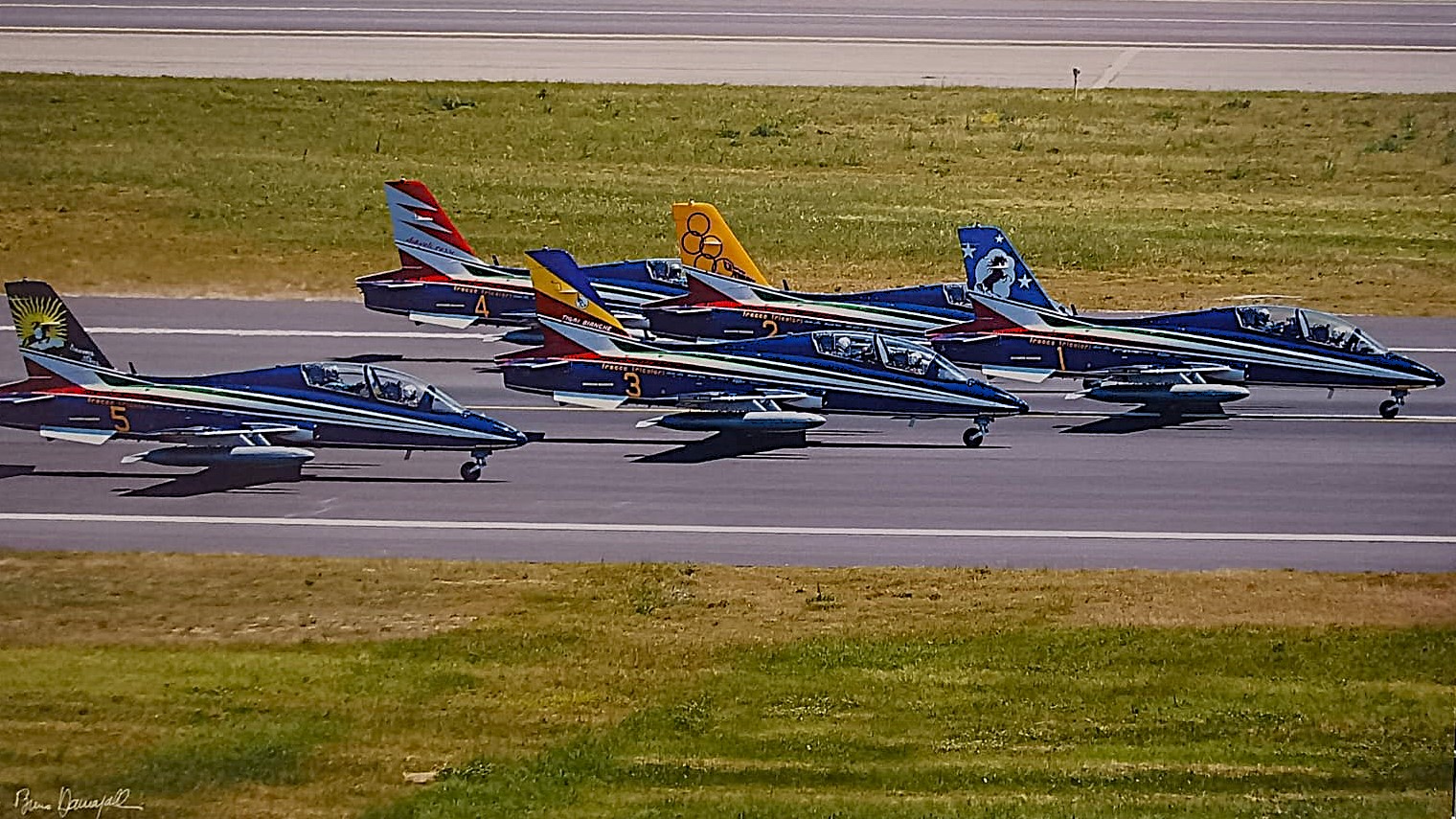
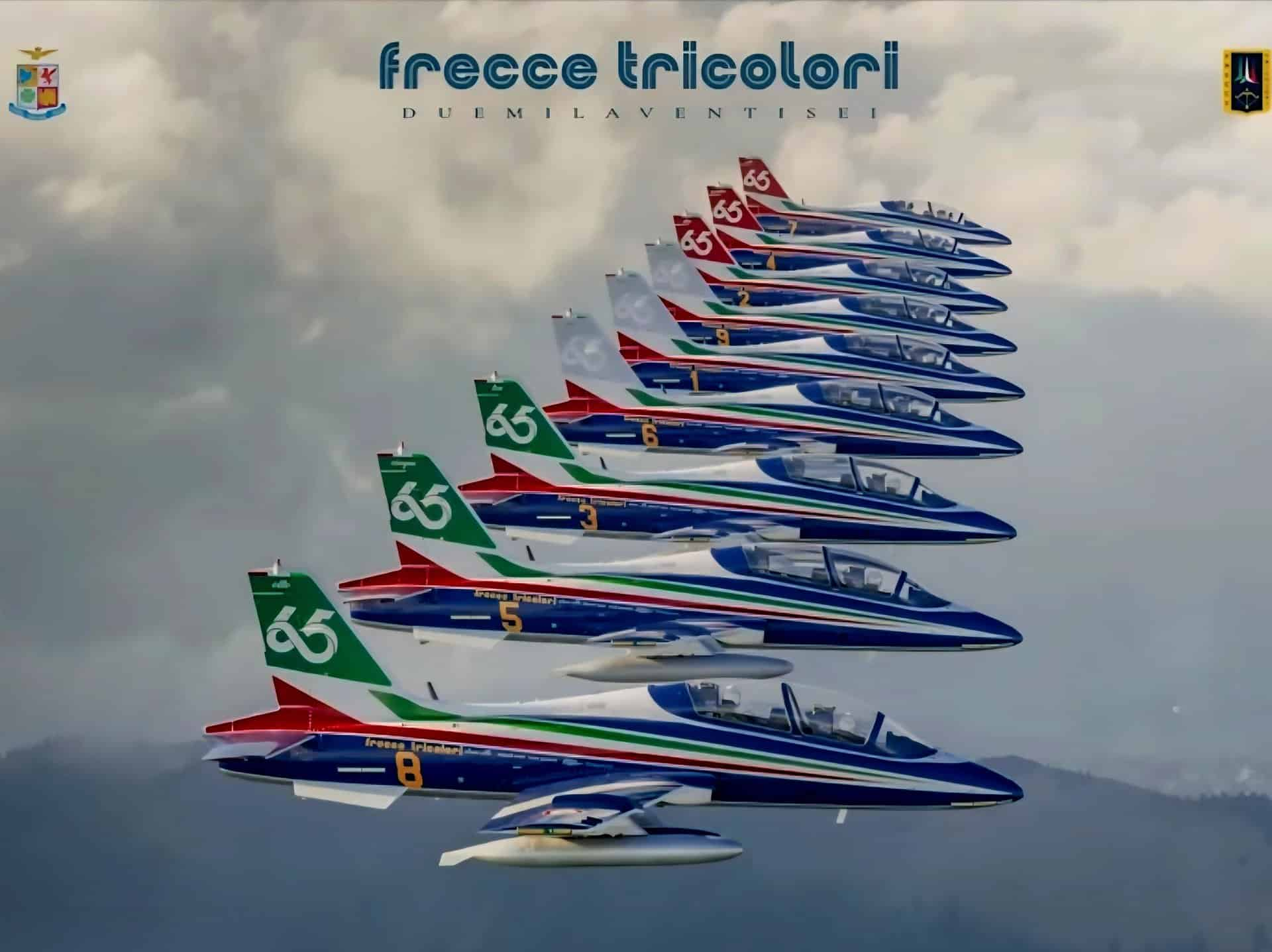
Poster della Pattuglia Acrobatica Nazionale per il 2026, presentante gli MB-339PAN con livrea commemorativa del 65° anniversario.
(rif. aeronautica.difesa.it)
Il Tenente Colonnello Franco Paolo Marocco ha presentato, nella suggestiva cornice dell’hangar PAN, la Formazione e il Poster per la Stagione 2026 della Pattuglia Acrobatica Nazionale
Giovedì 18 dicembre, nello storico hangar delle Frecce Tricolori a Rivolto, si è svolta la tradizionale presentazione della nuova Formazione e del Poster della Pattuglia Acrobatica Nazionale per l’anno 2026.
L’evento, appuntamento ormai consolidato per la PAN, presieduto dal Generale di Divisione Aerea Marco Lant, Comandante delle Forze da Combattimento dell’Aeronautica Militare, ha rappresentato un’importante occasione di incontro con le realtà locali, i Club Frecce Tricolori, familiari e appassionati.
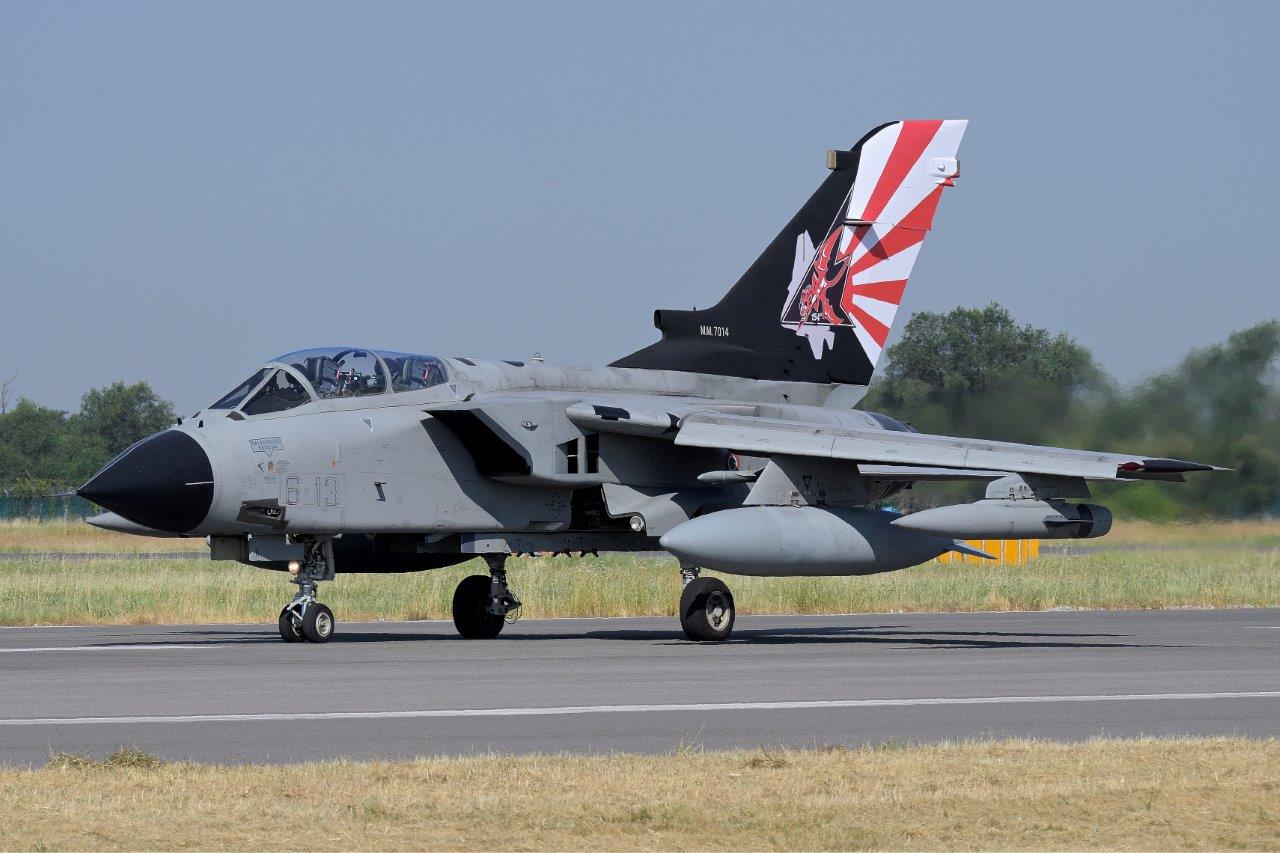
Nel corso della serata, il Tenente Colonnello Franco Paolo Marocco, Comandante del 313° Gruppo Addestramento Acrobatico, ha presentato la nuova formazione per l’anno 2026.
Per il 2026 la Pattuglia Acrobatica Nazionale conferma i propri punti di riferimento e presenta un aggiornamento della formazione: restano invariati i ruoli di Pony 1 (Capo Formazione) al Maggiore Pierluigi Raspa e di Pony 10 (Solista) al Maggiore Federico De Cecco, mentre tra i gregari si avrà un nuovo assetto con il Maggiore Alessandro Sommariva nella posizione di Pony 2, Maggiore Leonardo Leo Pony 3, Capitano Luca Pozzani Pony 4, Maggiore Giovanni Morello Pony 5, Capitano Emanuele Bernuzzi Pony 7 e Maggiore Oscar Del Dò Pony 9; confermato anche il Maggiore Simone Fanfarillo come Pony 6 (primo fanalino). A completare la formazione, la novità più attesa: l’ingresso del Capitano Tommaso Calogeri, proveniente dal 6° Stormo di Ghedi, che assume la posizione di Pony 8 (terzo gregario destro).
La serata è proseguita con la presentazione del poster 2026 delle Frecce Tricolori, che ritrae gli MB-339PAN con la livrea commemorativa sviluppata per il 65° anniversario della PAN, celebrato a settembre 2025.
La prima copia del poster è stata simbolicamente consegnata al Comandante Alberto Moretti, ex Comandante della PAN, a testimonianza del forte legame della Pattuglia di oggi con chi ha contribuito a scrivere la storia del Reparto e dell’Arma Azzurra.
Un importante momento dell’evento è stato dedicato alla beneficenza, con il supporto alle iniziative dell’associazione “Il Filo di Simo” e al progetto sostenuto dall’intera Aeronautica Militare “Un dono dal cielo”, grazie anche alla preziosa partecipazione dei Club Frecce Tricolori.
L’evento ha rappresentato un significativo momento di condivisione per la Pattuglia Acrobatica Nazionale, celebrando la sua tradizione e il legame con il pubblico, mentre si prepara a vivere una nuova stagione di emozionanti performance acrobatiche.
Di seguito la formazione 2026 nel dettaglio:
Pony 0 – Tenente Colonnello Franco Paolo Marocco;
Pony 1 – Maggiore Pierluigi Raspa;
Pony 2 – Maggiore Alessandro Sommariva;
Pony 3 – Maggiore Leonardo Leo;
Pony 4 – Capitano Luca Pozzani;
Pony 5 – Maggiore Giovanni Morello;
Pony 6 – Maggiore Simone Fanfarillo;
Pony 7 – Capitano Emanuele Bernuzzi;
Pony 8 – Capitano Tommaso Calogeri;
Pony 9 –Maggiore Oscar Del Dò;
Pony 10 – Maggiore Federico De Cecco.
Il 313° Gruppo Addestramento Acrobatico, questa la denominazione ufficiale delle Frecce Tricolori, è un Reparto di Volo dell’Aeronautica Militare costituito da circa 100 militari, cui è affidato il compito di rappresentare le capacità dell’intera Forza Armata.
Dal 1° marzo 1961, data della sua costituzione sulla Base Aerea di Rivolto (UD), la Pattuglia Acrobatica Nazionale, che di recente ha concluso la sua 65^ stagione, ha l’onore di rappresentare, con le proprie spettacolari acrobazie aeree, gli oltre 40.000 uomini e donne dell’Aeronautica Militare e i valori che ogni giorno portano avanti: coesione, spirito di squadra, professionalità, dedizione e sacrificio. Ciò la rende un simbolo delle nostre Forze Armate e dell’Italia nel mondo.
Il 3 novembre è iniziata presso la base di Amendola la Falcon Strike 2025, che rappresenta il più importante evento addestrativo dell’Aeronautica Militare dell’anno.
L’esercitazione, che avrà termine il 14 novembre, ha come base principale di rischieramento il 32° Stormo ma coinvolge altre basi dell’Aeronautica Militare con l’arrivo di piloti, specialisti, velivoli di altri reparti di volo italiani e stranieri.
Oltre 1000 militari e oltre 50 assetti di Italia, Stati Uniti, Regno Unito, Francia e Grecia, si addestreranno fianco a fianco per migliorare la prontezza operativa e la capacità di cooperare in missioni multinazionali. All’esercitazione oltre ad assetti aerei, verranno impiegate unità terrestri e navali del Ministero della Difesa, e in particolare dell’Aeronautica Militare con anche assetti e personale della Marina Militare.
Le attività esercitative come la Falcon Strike 2025 rappresentano un’opportunità per addestrare il personale al fine di consentire la prontezza nelle esigenze nazionali alla luce degli attuali impegni dell’Aeronautica Militare sia in campo nazionale che nei Teatri Operativi all’estero, con scenari internazionali mutevoli e sempre più complessi.
Così recita il post dell’aeronautica di introduzione alla esercitazione in corso.
Ovviamente non potevamo mancare un evento di questa portata e decidiamo pertanto di partire per Amendola nella notte del 5 per avere tutto il giorno da dedicare alla osservazione dall’esterno delle attività volative, capire il parco volante presente, per poi il giorno successivo partecipare allo Spotter Day, ai cui siamo accreditati, in modo da coprire degnamente l’evento dal punto di vista fotografico per quanto riguarda sia decolli che atterraggi.
Amendola non è una base facile per lo spotting, infatti essendo molto estesa in profondità, dall’esterno non si vede praticamente nulla, alla testata 11 si trova una superstrada piuttosto trafficata e ci sono ostacoli come filari, siepi e cavi elettrici, quindi poco spazio di manovra; mentre sul lato opposto la 29R è situata in una zona di coltivazioni e vigneti, che in questo momento non sono in atto, pertanto l’accessibilità è garantita così come la tranquillità.
Gli atterraggi quindi si riprendono piuttosto facilmente mentre i decolli sono quasi impossibili.
Arriviamo intorno alle 7 del mattino di una giornata strepitosa dal punto di vista meteo, cielo sereno ma piuttosto freddo a causa del vento sostenuto da nord-est, che raggiungerà anche i venti nodi in alcuni momenti.
Con queste condizioni stabili di vento la pista in uso è la 29R e questo ci garantisce che non faremo nemmeno un decollo, perché quando passeranno su di noi saranno già piuttosto alti, ma buone condizioni per gli atterraggi.
E così sarà, i decolli iniziano alle 8.20, partono in sequenza sedici aerei di quattro nazioni: Italia, Grecia, Francia e Stati uniti.
Sulla base è di casa il 32° stormo composto dal 13° gruppo equipaggiato con F35A ed il 101° gruppo con gli F35B. Per l’esercitazione si sono rischierati da Ghedi cinque esemplari di F35A tra Diavoli e Paperi
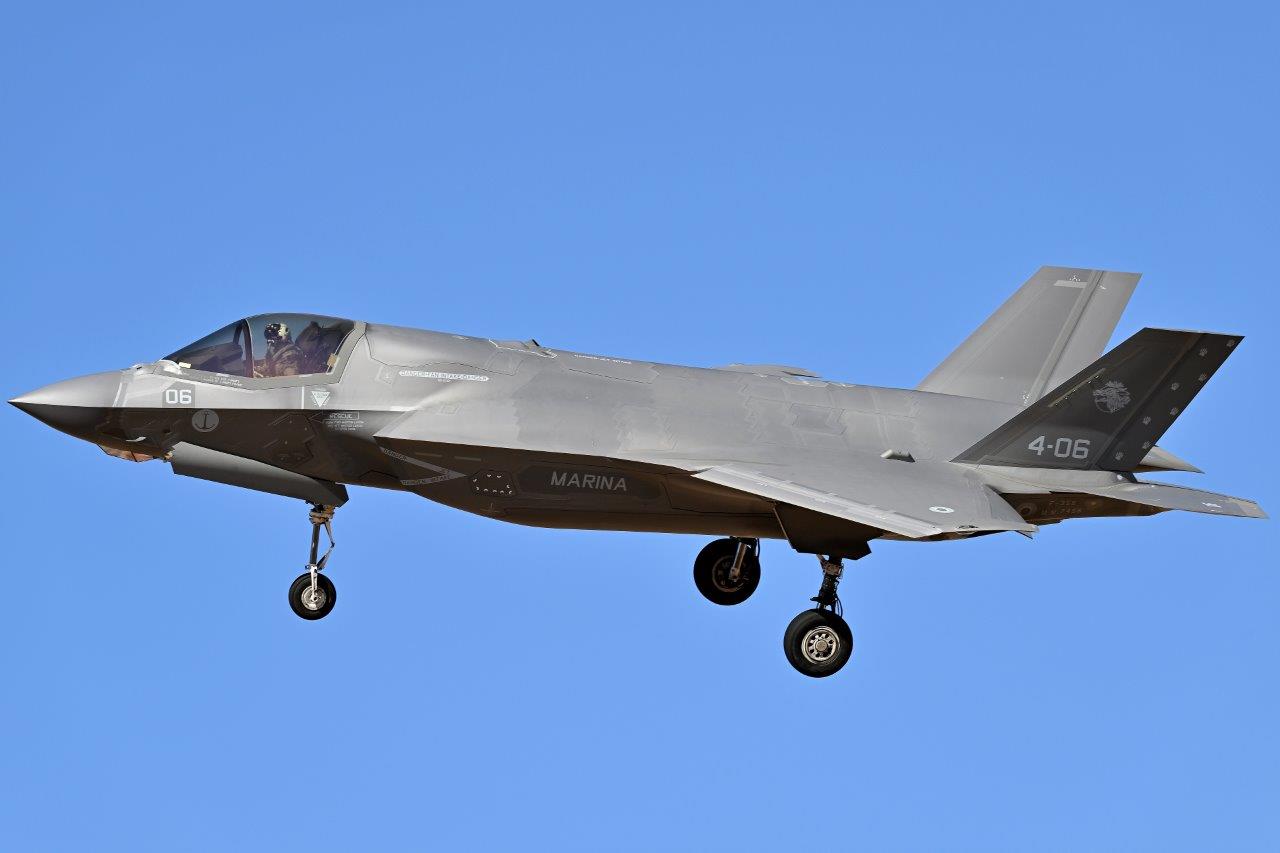
mentre dal Grupaer della Marina militare di Grottaglie sono rischierati quattro F35B e sei AV8B+
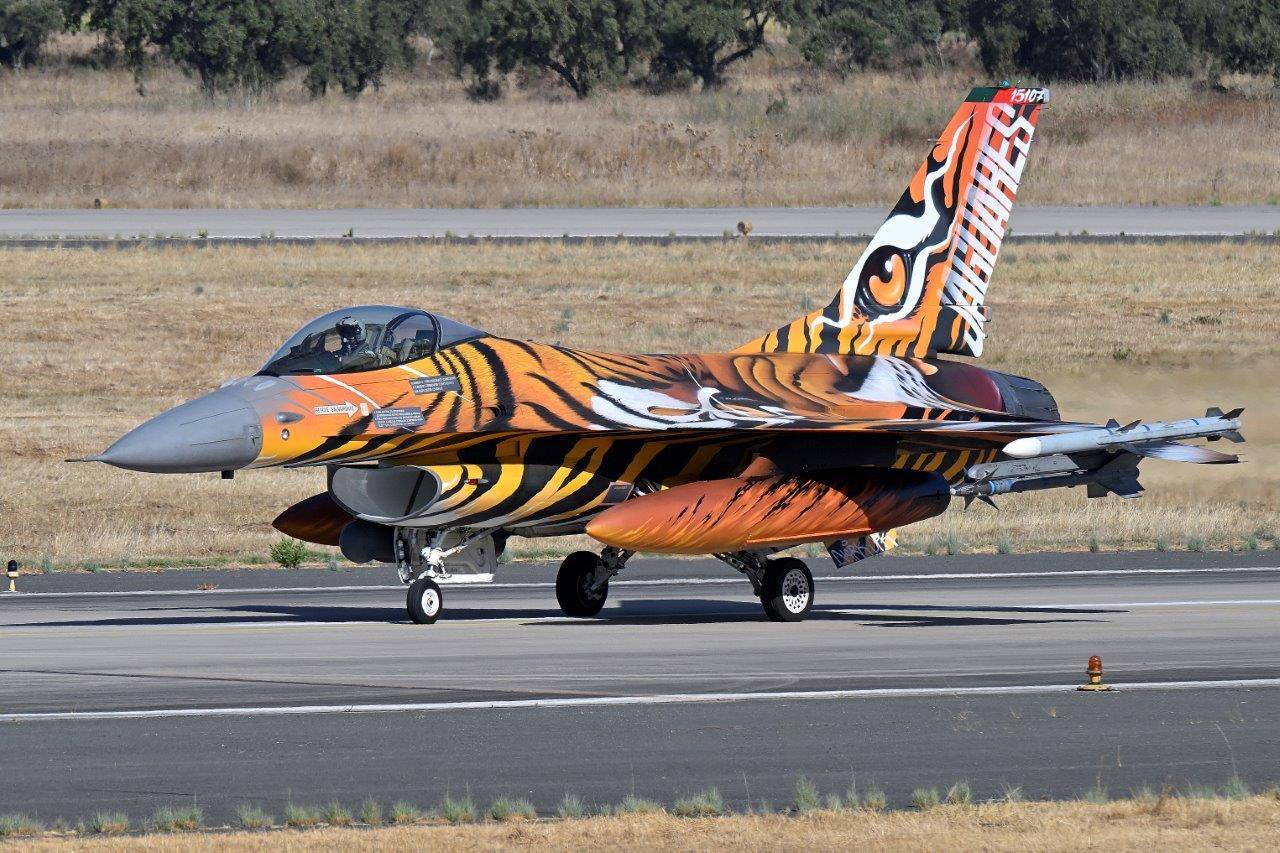
Dalla Grecia sono arrivati cinque F16C, convertiti all’ultima versione V, del 340° Mira Fox di Souda(Creta)
la Francia è presente con cinque Rafale C della 5e Escadre de chasse con sede presso la BA 115 di Orange
gli Stati Uniti con almeno otto F35A del 48th Fighter Wing provenienti dalla base inglese di Lakenheath.
Alla esercitazione partecipano anche gli F35B inglesi della Royal Navy partendo dalla Prince of Wales nei pressi di Creta.
Queste consistenze sono ovviamente basate sulla osservazione delle matricole degli aerei che hanno volato e quelli visti in base e sono ovviamente da prendere con beneficio di inventario.
La missione del mattino termina alle 10.30 con l’atterraggio dell’ultimo aereo. Le attività riprenderanno alle 13.50 e partiranno in sequenza nell’arco di circa un’ora ben ventotto aerei dei vari reparti presenti.
Il vento è costante e la direzione delle attività volative è intuibile, pertanto ci posizioniamo alla testata 29R e aspettiamo gli atterraggi che……….non avvengono!
Non abbiamo fatto i conti con le brevi giornate novembrine.
Alle 16.30 il sole declina rossastro verso l’orizzonte, riusciamo a riprendere solo sei F35A, che effettuano anche alcuni low approach, poi il sole se ne va e il cielo diventa sempre più scuro, illuminato da una fantastica luna piena.
Gli altri aerei arriveranno tutti quasi a buio, dopo più di tre ore di missione, con rifornimento in volo.
Gli atterraggi con le luci colorate sopra di noi sono affascinanti ma ovviamente non riprendibili, la delusione è tanta e difficile da digerire, l’unica consolazione è la speranza di rifarci il giorno dopo.
Al mattino ci presentiamo davanti alla base per la registrazione ed il rilascio del pass, siamo circa una settantina di spotters, molti conoscenti e visi noti confluiti qui per l’importanza dell’evento.
Dopo il briefing veniamo accompagnati in una posizione in controluce totale alla estremità della pista 11, nella speranza che gli aerei in missione dalla mattina rientrino da questo lato, speranza vana, atterrano infatti dalla 29R e rullano davanti a noi belli neri.
Lo sconcerto, la delusione ed il nervosismo serpeggiano piuttosto evidenti nel gruppo. Grazie al personale militare che ci accompagna, che comprende le nostre necessità e si adopera per convincere chi deve rilasciare le necessarie autorizzazioni, riusciamo ad ottenere di essere accompagnati in una posizione con il sole alle spalle di fronte alla seconda pista e all’altezza della torre di controllo.
Da qui abbiamo la possibilità di osservare in distanza i rullaggi degli aerei che effettuano il taxy verso la pista 11, poi la corsa di decollo, lo stacco, la retrazione completa del carrello e l’arrampicata nel cielo blu, non siamo vicinissimi ma ci si arriva bene, possiamo essere soddisfatti.
Il primo decollo è intorno alle 12.30, ben in anticipo rispetto al giorno precedente, anche se la missione durerà altrettanto a lungo stavolta abbiamo buone possibilità di riprendere tutti gli atterraggi. Dopo il pasto nella mensa della base e la foto di gruppo davanti al gate guardian, l’Amx 32-01, ci comunicano che ci porteranno nello stesso posto dei decolli per riprendere gli atterraggi, ma in quel punto gli aerei sono già a terra a prescindere dalla direzione da cui provengano.
Rapidamente prendiamo una decisione e chiediamo gentilmente di uscire in anticipo, permesso che ci viene accordato.
Questa volta non possiamo mancare i decolli se vogliamo fare il servizio completo.
Ci dicono che si prevede il ritorno dalla pista 11, ma che non ce lo possono garantire ed infatti noi puntiamo diritti alla 29R nella speranza che rientrino da questa parte, la più favorevole. Stavolta l’azzardo paga e verso le 15.30 arriva il primo aereo, un F35A Usaf e a seguire tutti gli altri.
E’ stata una giornata difficile, ma siamo riusciti ad ottenere quello per cui siamo venuti. Mentre ci incamminiamo verso l’auto, con il cielo che tende al rosa, arrivano due F35B della Marina, gli ultimi della missione pomeridiana.
Mentre il gregario atterra dalla pista 11, il leader fa due low approach con arrampicata vertiginosa di rientro a tutto ab e scie di condensazione sulle estremità alari, ringraziamo dello spettacolo e affrontiamo appagati il lungo viaggio di rientro a casa.
Falcon Strike 2025, the Air Force’s most important training event of the year, began on November 3rd at Amendola Air Base.
The exercise, which will conclude on November 14th, will primarily deploy to the 32nd Wing, but will also involve other Air Force bases, with the arrival of pilots, specialists, and aircraft from other Italian and foreign flight units.
Over 1,000 military personnel and over 50 assets from Italy, the United States, the United Kingdom, France, and Greece will train side by side to improve operational readiness and the ability to cooperate in multinational missions. In addition to air assets, the exercise will involve land and naval units from the Ministry of Defense, particularly the Italian Air Force, along with assets and personnel from the Navy.
Exercises such as Falcon Strike 2025 represent an opportunity to train personnel to ensure readiness for national needs in light of the Air Force’s current commitments both domestically and in theaters of operation abroad, with changing and increasingly complex international scenarios.
This is what the Air Force’s introductory post to the ongoing exercise says.
Obviously, we couldn’t miss an event of this magnitude, so we decided to leave for Amendola on the night of the 5th to have the whole day to devote to observing the flight activity from the outside, understanding the existing fleet, and then the next day to participate in Spotter Day, for which we are accredited, so as to adequately cover the event photographically, covering both takeoffs and landings.
This is what the Air Force’s introductory post to the ongoing exercise says. Obviously, we couldn’t miss an event of this magnitude, so we decided to leave for Amendola on the night of the 5th to have the whole day to devote to observing the flight activity from the outside, understanding the existing fleet, and then the next day to participate in Spotter Day, for which we are accredited, so as to adequately cover the event photographically, covering both takeoffs and landings. tranquillità.
Landings are therefore recovered quite easily while take-offs are almost impossible.
We arrive around 7am on a fantastic day from a weather point of view, clear skies but rather cold due to the strong wind from the north-east, which reaches up to twenty knots at times..
With these stable wind conditions, the runway in use is 29R and this guarantees that we will not even do a take-off, because when they pass over us they will already be quite high, but good conditions for landings.
And so it will be, take-offs begin at 8.20, sixteen planes from four nations depart in sequence: Italy, Greece, France and the United States.
The 32nd Wing, composed of the 13th Group equipped with F-35As and the 101st Group with F-35Bs, is based at the base. Five F-35As, including Diavoli and Paperi, were deployed from Ghedi for the exercise.
while four F35Bs and six AV8B+s are deployed from the Navy’s Grupaer in Grottaglie
Five F16Cs, converted to the latest V version, arrived from Greece from the 340th Mira Fox of Souda (Crete)
France is present with five Rafale Cs of the 5e Escadre de chasse based at BA 115 in Orange
the United States with at least eight F35As from the 48th Fighter Wing coming from the English base of Lakenheath.
The exercise also includes British F35Bs from the Royal Navy, departing from the Prince of Wales near Crete.
These figures are obviously based on the observation of the serial numbers of the aircraft that have flown and those seen at the base and are obviously to be taken with a pinch of salt.
The morning mission ends at 10:30 a.m. with the landing of the last aircraft. Operations will resume at 1:50 p.m., with twenty-eight aircraft from the various units taking off in sequence over the course of about an hour.
The wind is constant and the direction of the flight activity is predictable, so we position ourselves at head 29R and wait for the landings which….never happen!
We hadn’t counted on the short November days.
At 4:30 PM, the sun was setting reddish toward the horizon. We managed to capture only six F35As, which were also making a few low approaches. Then the sun set and the sky grew darker, illuminated by a fantastic full moon.
The other aircraft would all arrive almost in the dark, after more than three hours of mission, with in-flight refueling..
We hadn’t counted on the short November days. At 4:30 PM, the sun was setting reddish toward the horizon. We managed to capture only six F35As, which were also making a few low approaches. Then the sun set and the sky grew darker, illuminated by a fantastic full moon. The other aircraft would all arrive almost in the dark, after more than three hours of mission, with in-flight refueling. speranza di rifarci il giorno dopo.
In the morning, we show up at the base for registration and pass issuance. There are about seventy of us spotters, many acquaintances and familiar faces gathered here for the importance of the event.
After the briefing, we are escorted to a position completely backlit at the end of Runway 11, hoping that the planes that had been flying since the morning would return from this side. A vain hope, however, as they land from Runway 29R and taxi in front of us, black and white.
Dismay, disappointment, and nervousness are quite evident among the group. Thanks to the military personnel accompanying us, who understand our needs and work hard to convince those responsible for issuing the necessary authorizations, we manage to be escorted to a position with the sun at our backs, facing the second runway and level with the control tower.
From here, we can observe from a distance the planes taxiing toward Runway 11, then the takeoff roll, the liftoff, the complete retraction of the landing gear, and the climb into the blue sky. We’re not very close, but we’re close enough, and we can be satisfied.
The first takeoff is around 12:30, well earlier than the previous day. Even though the mission will last just as long, this time we have a good chance of capturing all the landings. After lunch in the base mess hall and a group photo in front of the gate guardian, AMX 32-01, we’re told they’ll take us to the same place as the takeoffs to capture the landings, but at that point the planes are already on the ground, regardless of their direction.
We quickly make a decision and politely ask to leave early, which is granted.
This time, we can’t miss the takeoffs if we want to provide a full service.
They tell us they’re expecting a return from runway 11, but they can’t guarantee it, so we head straight for 29R, hoping they’ll return from this side, the most favorable. This time, the gamble pays off, and around 3:30 PM, the first plane arrives, a USAF F35A, followed by all the others.
It was a tough day, but we managed to get what we came for. As we walked toward the car, with the sky turning pink, two Navy F35Bs arrived, the last of the afternoon mission.
While the wingman lands from runway 11, the leader makes two low approaches with a dizzying return climb at full AB and condensation trails on the wingtips, we are grateful for the spectacle and face the long journey home with satisfaction.
Il “Wings over Wayne Air Show” del 2015 si è tenuto a metà maggio presso la Seymour Johnson AFB, North Carolina.
La base ospitava (e ospita attualmente) il 4th Fighter Wing con gli F15E Strike Eagle.
Come in ogni manifestazione aerea in base USAF che si rispetti, la partecipazione di aerei in statica e in volo è stata massiccia, rendendo molto complesso il processo di selezione di un numero ragionevole di aerei e fotografie.
Nella statica i pezzi migliori erano:
B52H del 69th Bomb Squadron “Nighthawks” di Minot AFB, North Dakota
B1B Lancer del 28th Bomb Squadron di Dyess AFB, Texas
F15E del 4th Wing, di casa a Seymour Johnson AFB
F22 del 1st Fighter Wing di Langley AFB, VA
E3 Sentry del 964th Airborne Air Control Squadron, 552nd Air Control Wing di Tinker AFB, Oklahoma
F/A18F del Marine Fighter Attack Squadron 224 (VMFA-224) “Fighting Bengals”, di MCAS Beaufort, South Carolina
The 2015 “Wings over Wayne Air Show” was held in mid-May at Seymour Johnson AFB, North Carolina.
The base was (and still is) home to the 4th Fighter Wing with its F-15E Strike Eagles.
As with any self-respecting USAF air show, the participation of aircraft in static and in-flight displays was massive, making the process of selecting a reasonable number of aircraft and photographs very challenging.
The highlights of the static display were:
B52Hs from the 69th Bomb Squadron “Nighthawks” at Minot AFB, North Dakota
B1B Lancer del 28th Bomb Squadron di Dyess AFB, Texas
F15E of the 4th Wing, home to Seymour Johnson AFB
F22 del 1st Fighter Wing di Langley AFB, VA
E3 Sentry del 964th Airborne Air Control Squadron, 552nd Air Control Wing di Tinker AFB, Oklahoma
F/A18F del Marine Fighter Attack Squadron 224 (VMFA-224) “Fighting Bengals”, di MCAS Beaufort, South Carolina
T38C of the 80th Flying Training Wing (Air Education and Training Command training) at Sheppard AFB, Texas.
T-38As of the 2nd Fighter Training Squadron (aggressor for F-22 pilot training), 325th Fighter Wing at Tyndall AFB, Florida
The air show was opened by the Black Daggers from Fort Bragg, NC.
The selection of in-flight presentations:
F15E del 4th Fighter Wing
A10 del 476th Fighter Group (Air Reserve Component) di Moody AFB (Georgia)
P51
Tora, Tora, Tora! A show reenacting the 1941 attack on Pearl Harbor.
GranFinale con i “Thunderbirds”
Seymour Jonhson AFB, NC, base of USAF 4th Fighter Wing, hosted in May 2015 the Wings Over Wayne Air Show.
The military statics included F15E, B52H, B1B, A10, T38, F22, F35A, C17, C5 from USAF and F/A18 from USMC.
Many civilian and military performers flew in the weekend, including P51, Japanese Mitsubishi replica, F15E, A10, T38, C130H.
Last demonstration of the day was performed by the USAF acrobatic Team Thunderbirds.
Pursued by Tropical Storm Gabrielle, which was lashing the Portuguese coast, we began the long journey of more than eight hundred kilometers that would take us from Beja to Albacete, in the region of La Mancha, where we intended to attend the final week of the TLP Comao Flying Course 3-2025. Halfway there, we stopped for a quick lunch at a country inn, a fatal mistake, because all four of us contracted food poisoning from spoiled food that would remain with us for the first two days of the week.
When we reach Albacete, it’s not raining, but the dark clouds are an unbroken blanket, hovering low above us! It will be like this for the next two days: oppressive skies with omnipresent clouds at low altitudes, icy winds, and reports of catastrophic flooding in other parts of Spain.
In the meantime, we have the chance to watch Monday’s short morning mission, while the afternoon mission of the course has been canceled. We’re off to a great start! On Tuesday, they fly both morning and afternoon, but the music is always the same: a suffocating ceiling with a few brief glimpses of sunshine, but never in the sky above the base. By evening, our morale has sunk, and the forecast calls for cloudy skies all week, due to the Mediterranean vortex that has formed precisely in this area of the Iberian Peninsula.
Let’s take a step back. At the beginning of the year, I had promised myself I would photograph our Navy’s aircraft properly. I had followed them wherever I heard of their presence, first in Jesolo and then in Ghedi, but the result had left a bitter taste in my mouth. I would have liked to have done more and, above all, better.
When I learned of their massive turnout at the TLP in early September, which I’d already planned to attend, thanks in part to its coincidence with the Tiger Meet, I’d hoped my dream would come true. But now that I have them within range of my target, just as I’d hoped, the weather is relentless. Is it the curse of the Wolves? No, it’s the spotter’s revenge. The next morning there’s not a cloud in the sky, and it won’t be that way until the end of the week. Now I really feel like Little Red Riding Hood’s hunter!
This TLP course is a very “naval” course, in fact there are: five F-35B
and five AV-8B Harrier II+ of the Navy
Six Rafale M aircraft from Flotille 12F of the French Naval Air Force based in Landivisiau were also scheduled to participate; two Spanish Navy Matadors were also expected, but we didn’t see them; perhaps they were operating directly from the aircraft carrier.
The naval vocation of this TLP was confirmed by the presence of the P-72A MPA, the Italian Air Force’s multi-role maritime patrol aircraft, which participated in all of the afternoon’s missions.
New, compared to our previous experiences here, is the presence of the Boeing E-3F Sentry of the Armee de l’Air stationed at BA 702 in Avord.
Other participating units were: two F35As from the 6th Wing 154th Group of Ghedi, and two F35Bs from the 32nd Wing 101st Group based in Amendola,
the French were also present with two Rafale Cs of the EC 2/30 Normandie Niemen based at BA118 of Mont de Marsan,
Four F16Cs from the 341st Air Regiment of Polemikí Aeroporía (Polemikí Aeroport) departed from Nea Anghialos Air Base. The hosts, the Ejército del Aire y del Espacio (Air and Space Army), also provided two Eurofighter C16 Typhoons from the 11th Wing based in Moron de la Frontera,
eight C15 Hornets from the 15th Wing based in Zaragoza.
and Wing 12 of Gando in Gran Canaria.
It is therefore important to underline the Italian nature of this TLP and the fact that almost a third of the participating aircraft were fifth-generation fighters. This is not the first time at the TLP, but never in such a significant number, and seven out of nine were in the B version.
In addition to the aircraft participating in the TLP course, the Los Llanos base also includes the 14th Wing of the Air Force, equipped with Eurofighter C16 Typhoon fighter aircraft, as well as the Albacete Air Workshop (MAESAL), dedicated to the high-level maintenance of the Fire Brigade’s EF-18 Hornet, Eurofighter and Canadair CL-215 aircraft.
The TLP was established on the basis of a Memorandum of Understanding between 11 NATO nations. The TLP’s mission is to increase the effectiveness of allied air forces through the development of skills in leadership, mission planning, briefing, tactical air operations, and debriefing. Its primary tasks are to prepare NATO flight leaders to become Mission Commanders capable of directing coalition air strike packages as well as instructing both flying and non-flying personnel on all aspects of tactical composite air operations.
The TLP achieves these goals through flying and academic courses for allied personnel. The TLP COMAO Flying Course aims to improve the tactical and flying leadership skills of front-line Mission Commanders, promoting tactical interoperability among NATO air forces through exposure to other nations’ tactics and capabilities.
The course also provides an environment for exchanging information on weapons, tactics, and capabilities, fostering the development of multinational tactical employment concepts in Composite Air Operations (COMAO). The course adopts a progressive approach with 12 total missions.
Of these, three are synthetic missions, meaning they are planned and flown using simulators. They serve to familiarize the COMAO planning process, develop leadership, and improve teamwork. Nine missions are actually flown and aim to develop tactical leadership skills for planning, briefing, flying, and debriefing integrated multinational formations.
Missions are conducted from Albacete Air Base, equipped with a 2,700-meter runway oriented 09/27, using land and sea training areas. Long-range missions may include air-to-air refueling, while a wide range of land targets is available. The course lasts approximately three weeks. The first seven working days include academic lectures and three synthetic missions, followed by two weeks of nine consecutive missions.
The aircraft must be ready for flight by the second Monday, while the crews return to their respective bases early on the final Friday. The flight activity usually consists of a morning test mission involving a maximum of ten aircraft—this time, the Navy’s Rafales did not miss a single one—and an afternoon wave involving all crews, departing between 3:00 PM and 3:30 PM and returning around 5:30 PM.
Los Llanos Air Base, a very rare occurrence, is oriented in such a way as to offer considerable observation opportunities from the outside. Both Bases 09 and 27 have roads running close by and convenient parking areas without traffic problems. The atmosphere is very relaxed, few people witness the flight operations, and security is very lenient. The police pass by but pay you no attention; you sit back, calmly, with your lens and radio, and concentrate.
There are no natural obstacles or anything else that limits photographic activity, furthermore the proximity to the planes, both during take-off and especially during landing, is so reduced that one can try some rather daring shots that would be very difficult in other contexts.
Thanks to the sudden, unexpected, and blessed change in weather, we were able to document four missions in three days: two in the morning, the two complete afternoon waves, and all the Friday morning departures. The wind blew moderately, an unusual situation for Albacete, which is located on a plateau at about 700 meters above sea level, but it always came from the same direction, making the runway in use predictable, always the dos siete.
The crowd was a little larger than usual, especially the first few days. Almost everyone came from the Tiger, English, German and Dutch, but we are talking about a maximum of just under thirty people at the peak time of the afternoon landing, the best time due to the very favorable light that highlights the details of the planes even on the ventral side.
The pilots were very cooperative, especially the Wolves (callsigns Roma and Rambo), who, realizing there was no contest this time, performed some very photogenic turning landings with a salute from the pilot. The Harriers performed flat takeoffs to be filmed between the airport’s external lighting poles, as well as spectacular rolling landings. The AMI F35Bs and As also allowed us to take some good shots with salutes and turns before lining up for final.
The French Rafales, call sign Paris needless to say, flew en masse on all missions,
with different armaments and configurations; the Greeks, with F16s tested by use and with unlikely colors,
They flew only the main mission of the course, while the Spanish flew the F18s extensively on both missions.
The key moment of the TLP is the return of the crews from the afternoon mission because the various flights are composed of different types of aircraft so you can see Harriers together
and F18
Rafale
and Efa, F16
also F35
and observe the dimensions and the different shapes in comparison.
Late on Friday morning, when all the crews had already left to return to base, the five EFAs of Wing 14 who took part in the Tiger Meet arrived from Beja.
and performed a considerable number of low approaches with acrobatic flares on the runway axis.
E’ il cerchio che si chiude e salda insieme questi due eventi a cui abbiamo avuto la fortuna di assistere.
My dream has come true and we are satisfied with the result, but dreams must not end and now we look forward to the next event which is imminent and promises to be interesting, but we will talk about it soon.
Inseguiti dalla tempesta tropicale Gabrielle, che stava sferzando le coste portoghesi, iniziamo il lungo viaggio di più di ottocento chilometri che da Beja ci dovrà portare ad Albacete, nella regione della Mancia, dove abbiamo intenzione di assistere alla settimana conclusiva del TLP Comao Flying Course 3-2025. A metà strada ci fermiamo a fare un pasto veloce presso una posada di campagna, errore fatale, perché ci prenderemo tutti e quattro una intossicazione alimentare da cibi avariati che ci accompagnerà per i primi due giorni della settimana.
Quando giungiamo ad Albacete non piove, ma le nuvole nere sono un mantello ininterrotto che staziona a bassa quota! Sarà così per i due giorni successivi, cielo opprimente con nuvole onnipresenti a quote basse, vento gelido e notizie di inondazioni catastrofiche in altre parti della Spagna.
Nel frattempo abbiamo la possibilità di vedere la breve missione mattutina del lunedì, mentre quella pomeridiana del corso è cancellata. Cominciamo proprio bene! Al martedì volano sia al mattino che al pomeriggio, ma la musica è sempre la stessa, ceiling soffocante con qualche brevissimo sprazzo di sole, ma mai sul cielo della base. Alla sera il nostro morale è sceso in cantina e le previsioni danno nuvoloso per tutta la settimana, a causa del vortice mediterraneo che si è creato proprio in questa area della penisola iberica.
Facciamo un passo indietro, a inizio anno mi ero ripromesso di fotografare in modo degno gli aerei della nostra Marina Militare, li avevo inseguiti ovunque avevo notizia della loro presenza, prima a Jesolo e poi a Ghedi, ma il risultato mi aveva lasciato un po’ l’amaro in bocca, avrei voluto fare di più e soprattutto meglio.
Quando ad inizio settembre avevo appreso della loro presenza massiccia alla Tlp, a cui avevo già programmato di assistere, anche grazie alla concomitanza con il Tiger Meet, avevo sperato che il mio sogno si sarebbe realizzato facilmente, ma adesso che li ho a portata di obiettivo come volevo io il meteo si accanisce contro di me, è la maledizione dei Lupi? No, è la vendetta dello spotter, il mattino successivo non c’è una nuvola in cielo, e così resterà fino alla fine della settimana, adesso sì che mi sento come il cacciatore di Cappuccetto rosso!
Questo corso della Tlp è un corso molto “navale”, sono infatti presenti: cinque F-35B
e cinque AV-8B Harrier II+ della Marina Militare
sei Rafale M della Flotille 12F della Aeronavale francese di base a Landivisiau; era prevista anche la partecipazione di due Matador della Marina spagnola ma non li abbiamo visti, forse operavano direttamente dalla portaerei.
A confermare la vocazione navale di questa Tlp la presenza del P-72A MPA, il velivolo da pattugliamento marittimo multiruolo dell’Aeronautica Militare, che ha partecipato a tutte le missioni pomeridiane.
Novità, rispetto alle nostre esperienze precedenti qui, la presenza del Boeing E-3F Sentry dell’Armee de l’Air di stanza presso la BA 702 di Avord.
Altri reparti partecipanti erano: due F35A del 6° stormo 154° gruppo di Ghedi, e due F35B del 32° Stormo 101° gruppo di base ad Amendola,
i francesi erano presenti anche con due Rafale C dell’EC 2/30 Normandie Niemen di stanza alla BA118 di Mont de Marsan,
quattro F16C del 341° Mira della Polemikí Aeroporía dalla Base Aerea di Nea Anghialos. I padroni di casa dell’Ejército del Aire y del Espacio erano presenti con due Eurofighter C16 Typhoon dell’Ala 11 di base a Moron de la Frontera,
otto C15 Hornet dell’Ala 15 di Saragoza
e dell’Ala 12 di Gando in Gran Canaria.
Va sottolineata quindi la italianità di questa Tlp ed il fatto che quasi un terzo dei velivoli partecipanti erano caccia di quinta generazione, non è la prima volta alla Tlp, ma mai in un numero così consistente e sette su nove nella versione B.
Oltre ai velivoli partecipanti al corso della Tlp sulla base di Los-Llanos è presente l’Ala 14 dell’Ejército del Aire, dotata di aerei da combattimento Eurofighter C16 Typhoon, nonché l’Officina Aerea di Albacete (MAESAL), dedita alla manutenzione di alto livello dei velivoli EF-18 Hornet, Eurofighter e Canadair CL-215 dei Vigili del Fuoco.
La TLP è costituita sulla base di un Memorandum of Understanding tra 11 nazioni NATO. La missione del TLP è aumentare l’efficacia delle forze aeree alleate attraverso lo sviluppo di competenze in leadership, pianificazione delle missioni, briefing, operazioni aeree tattiche, debriefing. I compiti principali sono di preparare i flight leaders delle forze NATO a diventare Mission Commanders capaci di dirigere pacchetti di attacco aereo della coalizione nonché di istruire il personale, sia flying che non-flying, su tutti gli aspetti legati alle tactical composite air operations.
La TLP realizza questi obiettivi attraverso corsi di volo ed accademici rivolti al personale alleato. Il TLP COMAO Flying Course mira a migliorare le capacità di leadership tattica e di volo dei Mission Commanders di aerei di prima linea, promuovendo l’interoperabilità tattica tra le forze aeree NATO attraverso l’esposizione a tattiche e capacità di altre nazioni.
Il corso offre anche un ambiente di scambio di informazioni su armi, tattiche e capacità, favorendo lo sviluppo di concetti di impiego tattico multinazionale in Composite Air Operations (COMAO). Il corso adotta un approccio progressivo con 12 missioni totali.
Di queste tre sono missioni sintetiche, cioè pianificate e volate mediante simulatori. Servono a familiarizzare con il processo di pianificazione COMAO, sviluppare leadership e migliorare il lavoro di squadra; mentre le missioni volate effettivamente, sono nove e puntano a sviluppare capacità di leadership tattica per pianificare, briefare, volare e debriefare formazioni multinazionali integrate.
Le missioni si svolgono dalla base aerea di Albacete, dotata di una pista di 2700 metri orientata 09/27, utilizzando aree di addestramento terrestri e marittime. Le missioni a lungo raggio possono includere rifornimento in volo, mentre è disponibile una vasta gamma di obiettivi terrestri. Il corso ha una durata di circa tre settimane. I primi sette giorni lavorativi includono lezioni accademiche e le 3 missioni sintetiche, fanno seguito due settimane con nove missioni volate consecutive.
Gli aerei devono essere pronti al volo dal secondo lunedì, mentre il venerdì finale già dal primo mattino gli equipaggi ritornano alle rispettive basi. L’attività di volo è di solito costituita da una missione di prova mattutina a cui partecipano al massimo una decina di aeromobili, in questa edizione i Rafale della marina non ne hanno saltata una, e un’ondata pomeridiana a cui partecipano tutti gli equipaggi, con partenza tra le 15 e le 15.30 e ritorno verso le 17.30.
La base aerea Los llanos, caso molto raro, è orientata in modo tale da offrire notevoli possibilità di osservazione dall’esterno, entrambe le testate 09 e 27 hanno strade che le costeggiano da vicino e aree comode dove parcheggiare senza problemi di traffico. L’atmosfera è molto rilassata, poche persone assistono alle attività di volo e la sicurezza è molto tollerante, la polizia passa ma non ti dedica attenzione, te ne stai bello tranquillo con il tuo obiettivo e la radio e ti concentri.
Non ci sono ostacoli naturali o altro che limiti l’attività fotografica, inoltre la vicinanza agli aerei sia in fase di decollo, ma soprattutto in fase di atterraggio, è talmente ridotta che ci si può cimentare in inquadrature piuttosto audaci ben difficili in altri contesti.
Grazie al cambiamento repentino, inaspettato e benedetto del meteo riusciamo a documentare in tre giorni quattro missioni, due mattutine, le due wave complete del pomeriggio, più tutte le partenze del venerdì mattina. Il vento ha spirato moderatamente, situazione anomala per Albacete che si trova su un altopiano a circa 700 metri di quota, ma sempre dalla stessa direzione, rendendo prevedibile la pista in uso, sempre la dos siete.
Il pubblico è stato un po’ più numeroso del solito, specialmente i primi giorni, quasi tutti venivano dal Tiger, inglesi, tedeschi ed olandesi, ma stiamo parlando al massimo di una trentina scarsa di persone nel momento di punta dell’atterraggio pomeridiano, il migliore per la luce molto favorevole che esalta i particolari degli aerei anche nella parte ventrale.
I piloti sono stato molto collaborativi, in particolari i Lupi (callsign Roma e Rambo), capito che non c’era partita stavolta, si sono esibiti in atterraggi in virata con saluto del pilota molto fotogenici, gli Harrier in decolli piatti da riprendere tra un palo e l’altro della illuminazione esterna dell’aeroporto ed inrolling landings spettacolari. Anche gli F35B ed A dell’Ami ci hanno permesso di fare buoni scatti con saluti e virate prima di allinearsi in finale.
I Rafale francesi, call sign neanche a dirlo Paris, hanno volato massivamente a tutte le missioni,
con diversi armamenti e configurazioni; i greci, con F16 provati dall’uso e con colorazioni improbabili,
hanno volato solo nella missione principale del corso, mentre gli spagnoli hanno fatto volare parecchio gli F18 in entrambe le missioni.
Il momento topico della Tlp è il ritorno degli equipaggi dalla missione pomeridiana perché le varie flight sono composte da differenti tipi di aerei per cui puoi vedere insieme Harrier
ed F18
, Rafale
ed Efa, F16
ed F35
e osservare le dimensioni e le diverse sagome a confronto.
Nella tarda mattinata del venerdì, quando ormai tutti gli equipaggi erano partiti per fare rientro alla base, sono arrivati da Beja i cinque Efa dell’Ala 14 che hanno preso parte al Tiger Meet
e si sono esibiti in un numero considerevole di low approach con richiamata acrobatica sull’asse pista.
E’ il cerchio che si chiude e salda insieme questi due eventi a cui abbiamo avuto la fortuna di assistere.
Il mio sogno si è realizzato e siamo soddisfatti del risultato, ma i sogni non devono finire ed adesso guardiamo avanti al prossimo evento che è imminente e si profila interessante, ma ne parleremo presto.
We kicked off our long trek from Beja to Albacete while dodging Tropical Storm Gabrielle. After a quick stop for food, we all got hit with food poisoning! Not the best start, right? Once in Albacete, the weather stayed gloomy, with a forecast full of rain and cold winds. But we did catch some morning missions, even if the mood was low. There’s a ton of cool military jets from various countries participating, including F-35s and Harriers. Despite the rough weather, we got some great shots, and it turned out to be an awesome event overall! Can’t wait for the next one!